Rainy weather brings relief from the heat. This makes people love it. However, the problem starts when stored clothes start to smell musty. Blankets feel damp, and closets trap moisture. Things get out of control when your clean fabrics start losing their fresh feel after a few weeks of humid weather.
Humans think that storage during rainy seasons solves this issue. Yes, it is possible when you know what good storage is and how you can benefit from it in the long run. Any wrong step paves the way for mold and mildew growth, along with unpleasant odors and fabric damage.
I shared this guide to explain how to use vacuum bags during the rainy season safely. Learn all the reasons behind storage problems and find out how vacuum storage bags actually help with the right packing strategy.
Why Rainy Season Storage Often Goes Wrong
Rain does not need to enter your home to cause storage issues. High humidity alone creates trouble for fabrics and bedding.
Air contains more moisture during wet months. Closets, storage boxes, suitcases, and under bed spaces often hold that moisture for long periods. Fabrics absorb it slowly. A sweater may feel dry today, but collect enough moisture over several weeks to develop a musty smell.
Many people make storage mistakes, such as:
- Packing clothes immediately after washing
- Storing items in damp wardrobes
- Using weak plastic bags
- Leaving bags partially open
- Forgetting to inspect stored items for months
Do you want to avoid mistakes and follow a food storage strategy? Start with moisture control. That is where vacuum storage bags offer a practical solution.
Why Use Vacuum Bags in Rainy Weather?
Vacuum bags help create a more protected storage environment for soft household items. They remove excess air and reduce exposure to humid conditions.
Many households use vacuum bags during rainy months because they help:
- Reduce contact with moist air
- Save storage space
- Keep seasonal items organized
- Protect clothing from dust
- Help block insects and odors
- Make wardrobes easier to manage
Traditional storage bags leave a large amount of air around clothing. Clothes trap the humid air. Vacuum bags remove much of that air and create a tighter storage seal.
When Vacuum Bags Make the Biggest Difference
Vacuum storage works especially well for:
- Winter jackets
- Sweaters
- Blankets
- Comforters
- Towels
- Extra bedding
- Travel clothing
Many families also use vacuum bags for clothes during monsoon months when closet space becomes limited, and humidity stays high for weeks.
The Safe Way to Store Clothes During the Rainy Season
A vacuum bag doesn’t solve all moisture problems. Still, it solves a major one. It works best when you follow the right process. Many storage failures happen because people rush through packing.
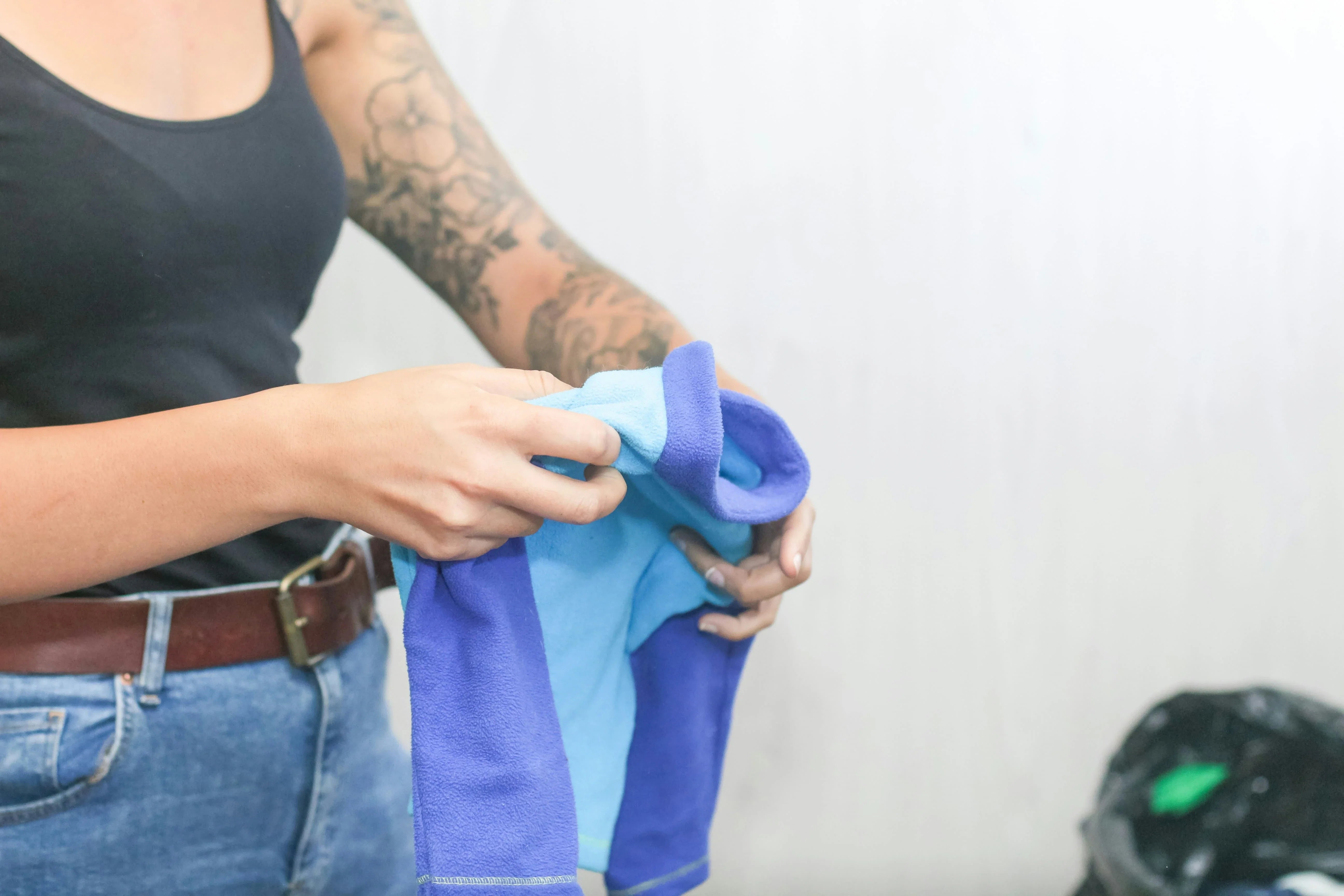
Step 1: Completely Dry Items
That’s most important. It's a risk to place damp clothing in a vacuum bag because a little trapped moisture favors the odors or mold growth after several weeks of storage.
After washing clothes:
- Dry them fully
- Allow extra air drying time
- Check thick areas such as collars and cuffs
- Make sure blankets and comforters feel dry throughout
Many storage problems begin with moisture that people cannot easily see.
Step 2: Sort Items Before Packing
Organized storage saves time later.
Group similar items together. Store winter clothing in one bag and bedding in another. Keep travel items separate.
This simple habit helps you locate items quickly without opening multiple bags.
A neat storage system also reduces unnecessary handling that may weaken seals over time.
Step 3: Choose the Right Storage Bags
A quality vacuum bag is durable that withstand repeated use and doesn’t often cause tearing and seal issues. Thin plastic damages easily, and a poor seal reduces storage performance and increases moisture exposure. Quality storage bags hold compression longer and perform better during humid weather.
Step 4: Remove Air Correctly
Overfilling creates problems. Leave a little space around the edges for proper and easy sealing.
- Fold clothes and put them in the bag
- Seal properly
- Remove air slowly
- Check the zipper line
- Confirm the valve closes securely
- Inspect the bag for trapped air pockets
A smooth, flat bag often holds its seal more effectively than an overstuffed one.
Step 5: Store Bags in the Right Location
The storage location plays a major role in long term protection.
Choose cool and dry indoor areas. Shelves work better than floors. Elevated storage reduces contact with moisture that may collect near ground level. Avoid:
- Damp basements
- Areas near leaking windows
- Direct sunlight
- Hot attic spaces
Even the best vacuum bag performs poorly in a bad storage environment.
Are All Vacuum Bags the Same? What to Look for During Wet Seasons
Many people focus only on size. Quality matters much more during rainy weather.
A good storage system should provide:
- Strong sealing performance
- Durable materials
- Reusable construction
- Reliable air retention
- Easy organization
- Multiple size options
Weak bags often lose compression after several weeks. Air slowly returns inside and reduces protection.
Why Many Homeowners Choose VacBird Vacuum Storage Bags
Many homeowners look for storage products that combine durability with convenience. This is one reason VacBird vacuum storage bags attract attention among people who need home and travel storage solutions.
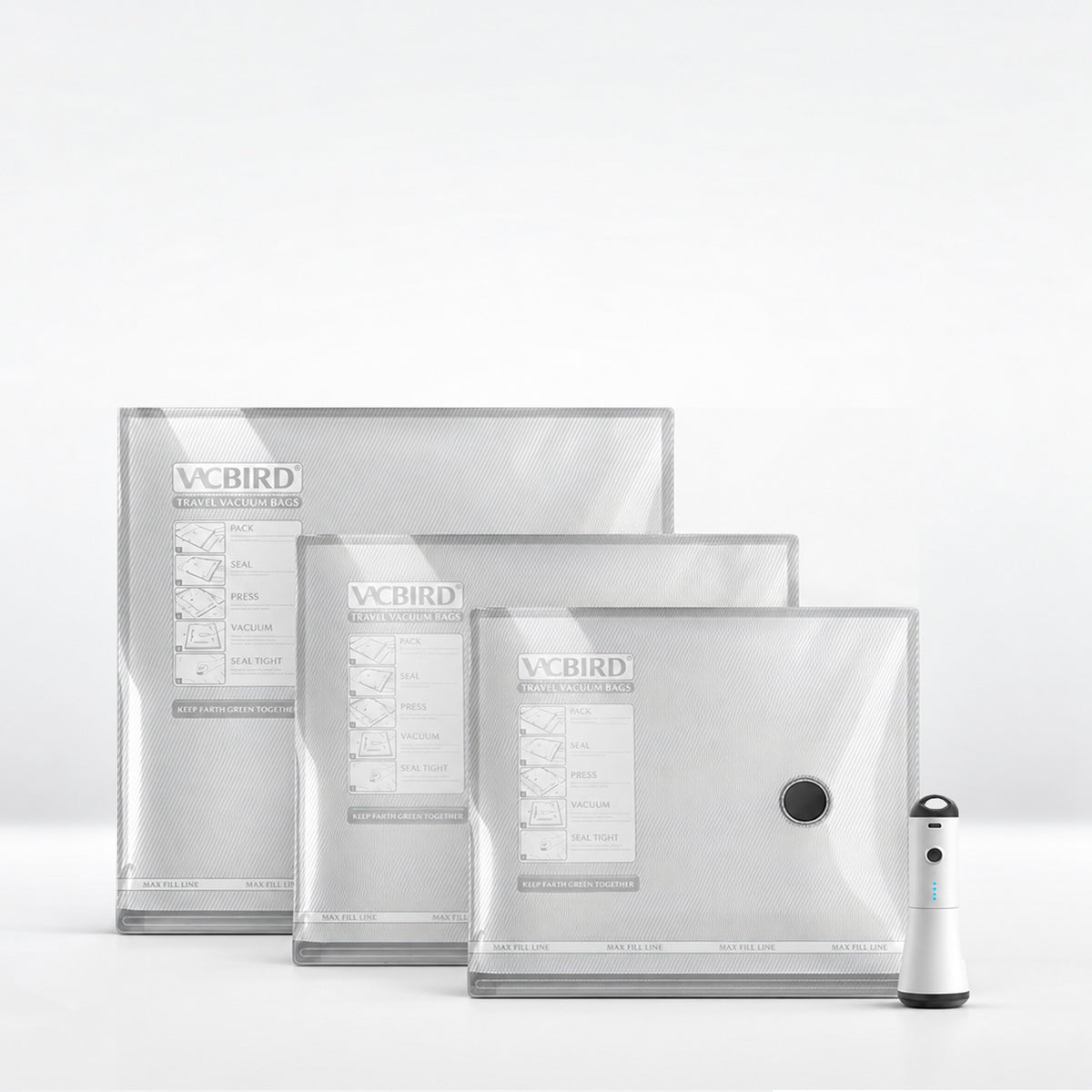
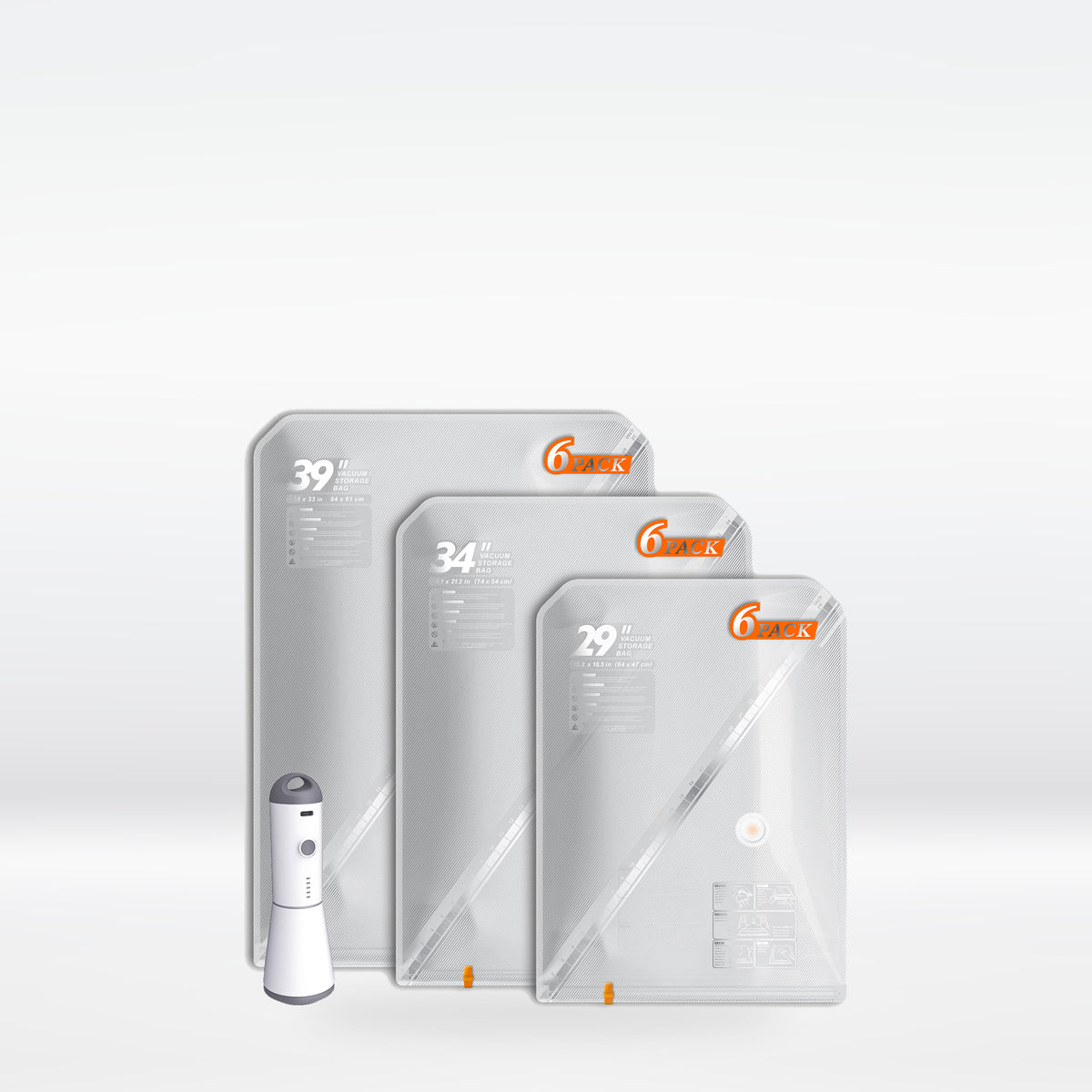
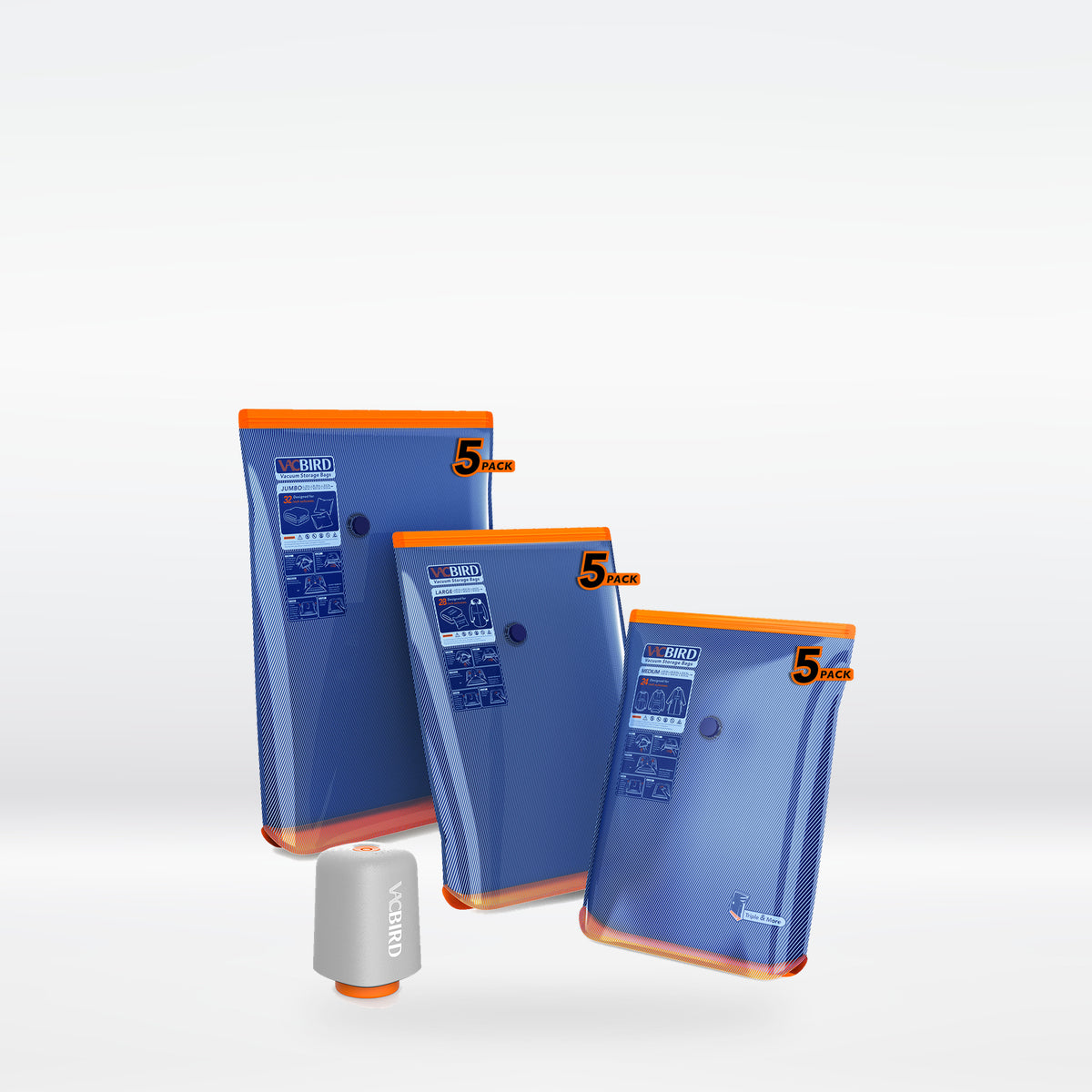
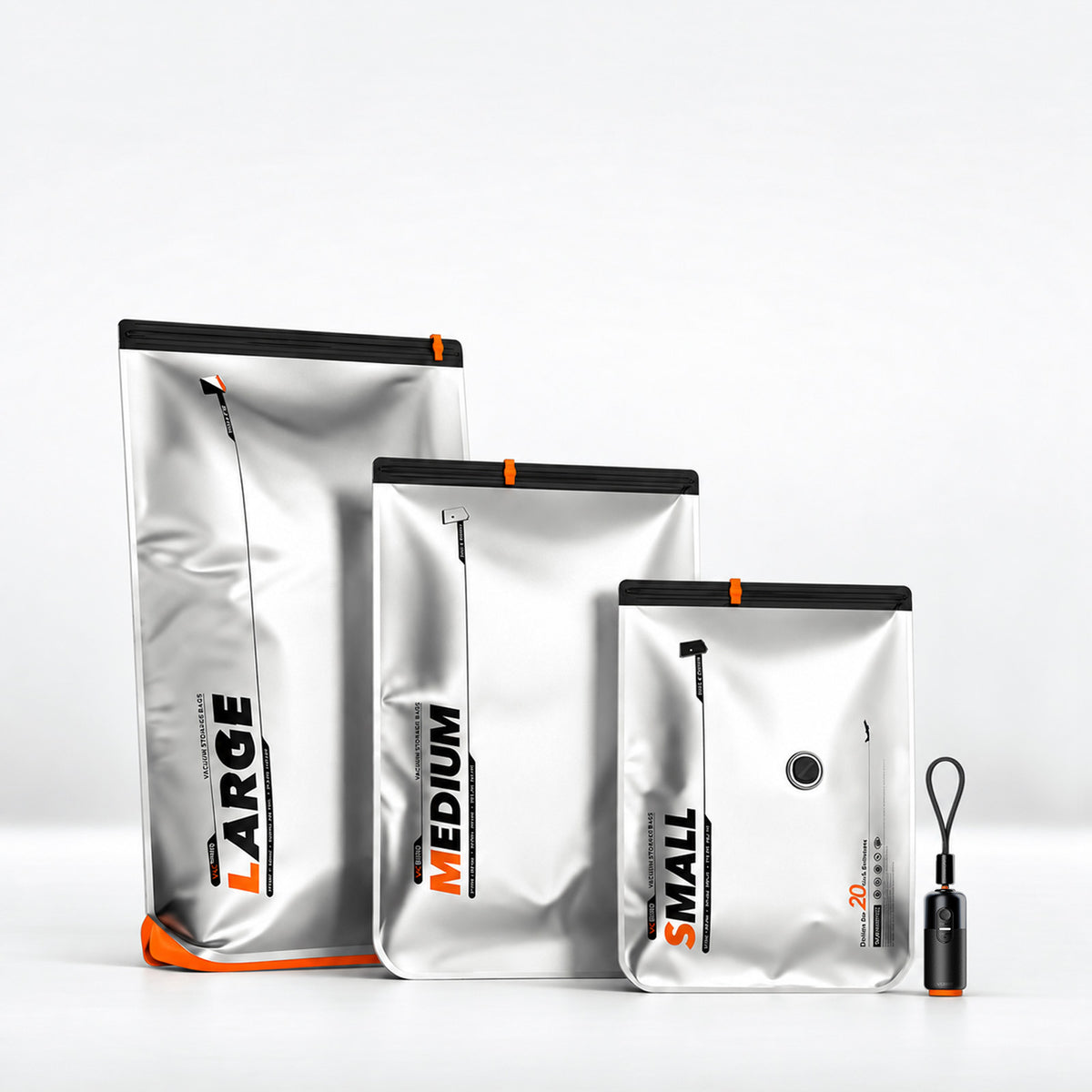
VacBird offers storage kits designed for clothing, bedding, and travel organization. The bags use durable PA and PE materials and come in different sizes for different storage needs.
One useful feature is the clear viewing panel. You can quickly identify the contents without opening each bag. This saves time when searching for seasonal clothing.
For rainy season storage, durable materials and dependable seals help maintain compression for longer periods.
VacBird Turbo X8 Is a Reliable Vacuum Kit for Faster Compression
Manual vacuum pumps often require extra effort. Many people find the process slow when packing multiple bags.
The VacBird Turbo X8 simplifies the process with one touch operation. This vacuum kit has multiple bags in different sizes with a vacuum pump. Its single press button activates the pump and removes air automatically.
The compact pump fits comfortably in one hand. Despite its small size, it delivers strong suction for quick compression. One full charge supports more than 100 uses without any issue. This makes the system useful for:
- Seasonal wardrobe storage
- Rainy season organization
- Family travel
- Vacation packing
- Extra bedding storage
Turbo X8 cordless design allows quick packing without searching for power outlets every time.
The bags also feature rounded corners that help reduce stress on the material. This design helps improve durability during repeated use.
The transparent bag design also helps users identify clothing immediately. This feature proves useful when multiple storage bags sit inside closets or suitcases.
A good storage system saves space. A practical storage system also saves time. That combination explains why electric vacuum pumps continue to gain popularity among travelers and homeowners.
What Should You Do If Moisture Still Appears Inside a Vacuum Bag?
Moisture can go in a vacuum bag even after careful packing. It usually means a small seal issue or leftover dampness in clothes. Quick action helps stop damage early.
Warning signs
- Water droplets inside
- Musty smell after opening
- Damp feeling in clothes
- Air slowly coming back
- Small mold spots
Open the bag immediately if any of these appear. Do not keep it sealed.
Take everything out and place it in a dry space. Let air pass through all items. Wash anything that smells bad and dry it fully before packing again.
Check the bag too. Look at the zipper and valve for small gaps. Even tiny leaks can bring in humid air during the rainy season.
Can Vacuum Bags Prevent Mold During the Rainy Season
Vacuum bags save clothes, yet are not able to fully remove the risk of mold. Moisture and air promote mildew. The bag limits exposure to humid air when you properly seal it. This means a less favorable environment for mold.
What Vacuum Bags Can Do
Vacuum bags help:
- Lowers air exposure
- Protect fabrics from moisture in the surrounding environment
- Keep clothing cleaner during storage
- Lowers odor buildup
- Protect items from dust and insects
What Vacuum Bags Cannot Do
Vacuum bags cannot:
- Dry wet clothing
- Remove existing mold
- Fix damp storage rooms
- Protect damaged fabrics
Think of vacuum storage as a protective layer. Good preparation remains the first step.
Best Practices and Tips for Long Term Rainy Season Storage
- Keep the storage area clean, as dust traps moisture
- Store only fully dry clothes. No damp fabric
- Avoid overfilling bags. Light packing works better
- Check seals every few weeks to look for leaks or damage
- Store bags above the floor. Shelves work best
- Keep away from sharp objects to prevent punctures
- Label each bag to easily find items later
- Rotate stored items sometimes to check and air them
Common Rainy Season Storage Mistakes to Avoid
- Packing clothes right after washing leaves hidden moisture in the bag. It causes a smell and mold later.
- Ignoring room humidity allows damp air to slowly affect stored clothes even in a dry looking space.
- Using damaged bags leads to air leakage and reduces the full protection of stored items.
- Mixing all items together creates pressure and makes it harder to protect different fabric types properly.
FAQs
Are vacuum storage bags waterproof?
Normal water exposure handling is possible for a quality vacuum bag. The plastic layer keeps light moisture away and helps protect clothes during humid weather or small spills. Still, they are not meant for full water contact. If a bag goes underwater, the seal can fail, and the inside will not stay protected.
Are vacuum storage bags damp proof?
They work well against damp air. Bags have a plastic material and a proper sealing feature that keeps the humidity outside. This makes a vacuum packing bag suitable to use in the rainy season when wardrobes feel sticky, and clothes start smelling odd.
Never pack damp clothes. Dry them properly. If you leave a little dampness, it will cause a smell later, irrespective of how good the bag is.
How do I stop my vacuum storage bag from leaking?
Some simple mistakes may cause you to face leaking issues.
- Check the zipper line first. It should close fully with no gaps. Run your fingers over it once after sealing. Then check the valve cap and make sure it is tight after removing the air.
- Overfilling is another common issue. When a bag is packed too tightly, pressure slowly pushes air back in. A slightly loose fill works better and lasts longer.
- If a bag gets a small cut, replacing it is the only real fix.
Can water get into vacuum sealed bags?
Yes. It is possible, specifically when you are using a damaged bag or its seal gets broken.
Proper sealing helps the bag to hold up well in normal storage conditions and protects clothes from humidity and light moisture. Our recommended practice is to reopen and check stored bags every few weeks during rainy months to avoid surprises.
Conclusion
The rainy season comes every year, and there is a need for a permanent storage solution for it. You can protect your clothes and other fabric items from moisture related damage. Just dry them fully and pack them in vacuum storage bags. Then compress them to store in dry places. Check them occasionally throughout the season for surety.
Vacuum compact packing solves limited storage issues and keeps your items fresh and mositure free during the rainy season.