Winter is everyone's favorite, but when lighter days arrive after long months of extreme cold, it’s just a refreshing feeling. You start packing bulky winter clothes and blankets, which makes the house feel brighter. Then reality hits. You put all your items on the bed to pack, which include thick sweaters, heavy coats, wool scarves, and bulky blankets, and you don’t understand where to store them.
You place some items in closets that start feeling tight again. Storing them in boxes or suitcases means you need a separate bag for each item.
This is reality, as I struggled with this for years. I folded winter clothes neatly, stacked them in boxes and pushed them into corners. This not only ate space but also damaged items badly. Clothes smelled odd, and sweaters felt misshapen by the time winter returned.
The troubles were solved when I bought vacuum storage bags and compression bags on the recommendation of my brother. These bags gave a clean and simple process with no rushing or stuffing that actually works for me.
You want to know the whole process? Keep reading as this guide shares how I pack away seasonal clothes after winter in a way that keeps them clean, compact and ready for the next cold season.
Why Storing Seasonal Clothes Properly After Winter Actually Matters
Winter clothing takes more space than summer wear. This clothing has thick fabric that traps air. This air makes them bulky. Bulky clothes take up more space and attract dust when left unused.
Problems start showing up later when winter clothes sit unused for months. Dust settles deep inside fibers, and moisture lingers if you put them in damp places. Poor storage causes fabric stress and odors, which result in deep creases and losing shape, that washing does not always fix.
This happens even in clean homes, so what matters is your packing method and packing item. The problem lies in trapped air, moisture, and exposure.
Vacuum storage bags remove air completely. Compression bags press clothes into a flatter form. Both methods protect clothes and free up space when used properly.
After switching to this approach, I stopped re-washing clothes every season. I stopped fighting clutter. Storage finally felt under control.
Step by Step Guide on How To Pack Away Seasonal Clothes After Winter
You need to learn the right way to pack your seasonal clothing after the winter ends fefore using compression bags. This part matters most. Skipping steps always causes regret later.
Start With Clean and Fully Dry Clothes
Never store clothes straight from the closet. Even lightly worn items carry sweat and skin oils with dust also. These turn into stains and smells over time. Maybe dirt also sits on clothes, even inside your closets.
Wash sweaters and hoodies, scarves and thermal wear. Dry clean heavy coats if needed. Make sure no moisture is left behind in your clothes. I let clothes sit out longer than usual just to stay safe.
Moisture inside storage vacuum packs ruins fabric faster than anything else.
Sort and Declutter Before Packing Anything Away
People consider this step useless, but I think sorting saves time and space later. I separate items into clear groups. You put your own formula for it.
- Keep for next winter
- Donate items no longer worn
- Recycle damaged pieces
Then I group what stays by type. Heavy coats together and knitwear in a separate pile. I put the blankets aside together. This makes choosing the right vacuum storage bag size easier, depending on the number of items and their sizes.
Choose the Right Storage Solution for Each Item
That’s where many people struggle, actually. They don’t know which bag size fits each item. Not every winter item needs the same bag. If you have the same problem, read this guide on vacuum storage bags size to understand how to pack wisely.
I use vacuum storage bags for long seasonal storage, and compression bags for lighter winter layers that I might access sooner. Using the right size prevents overfilling and seal damage.
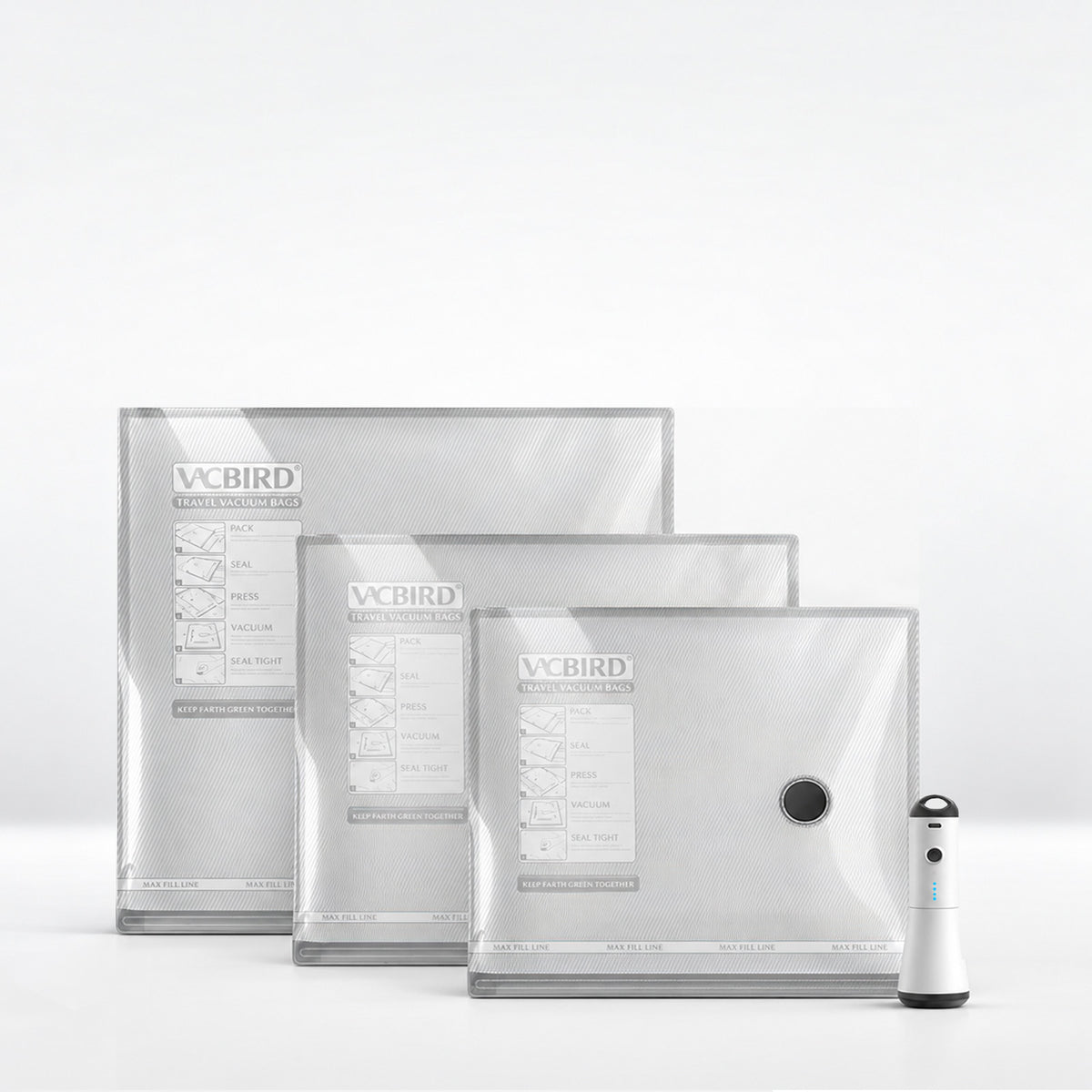
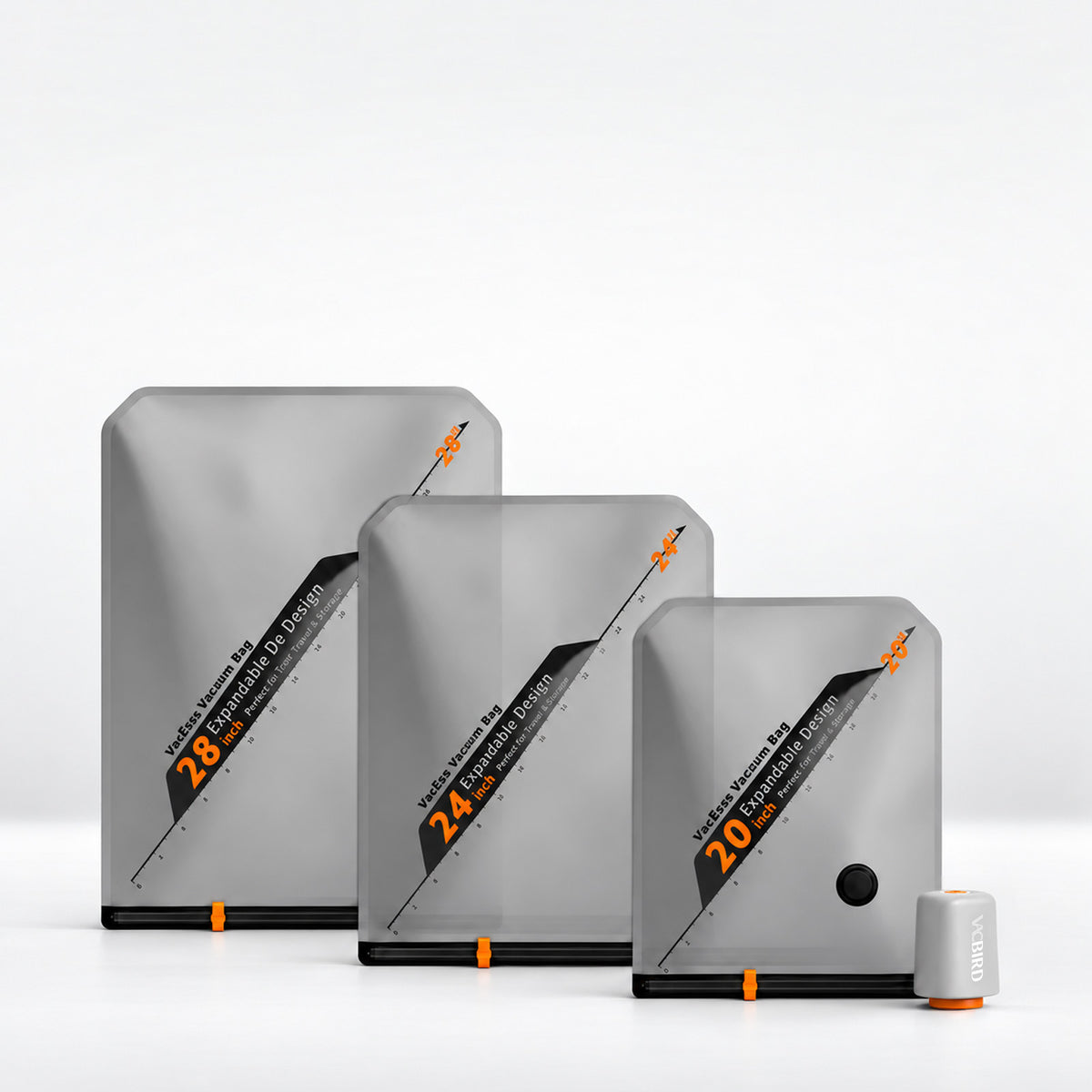
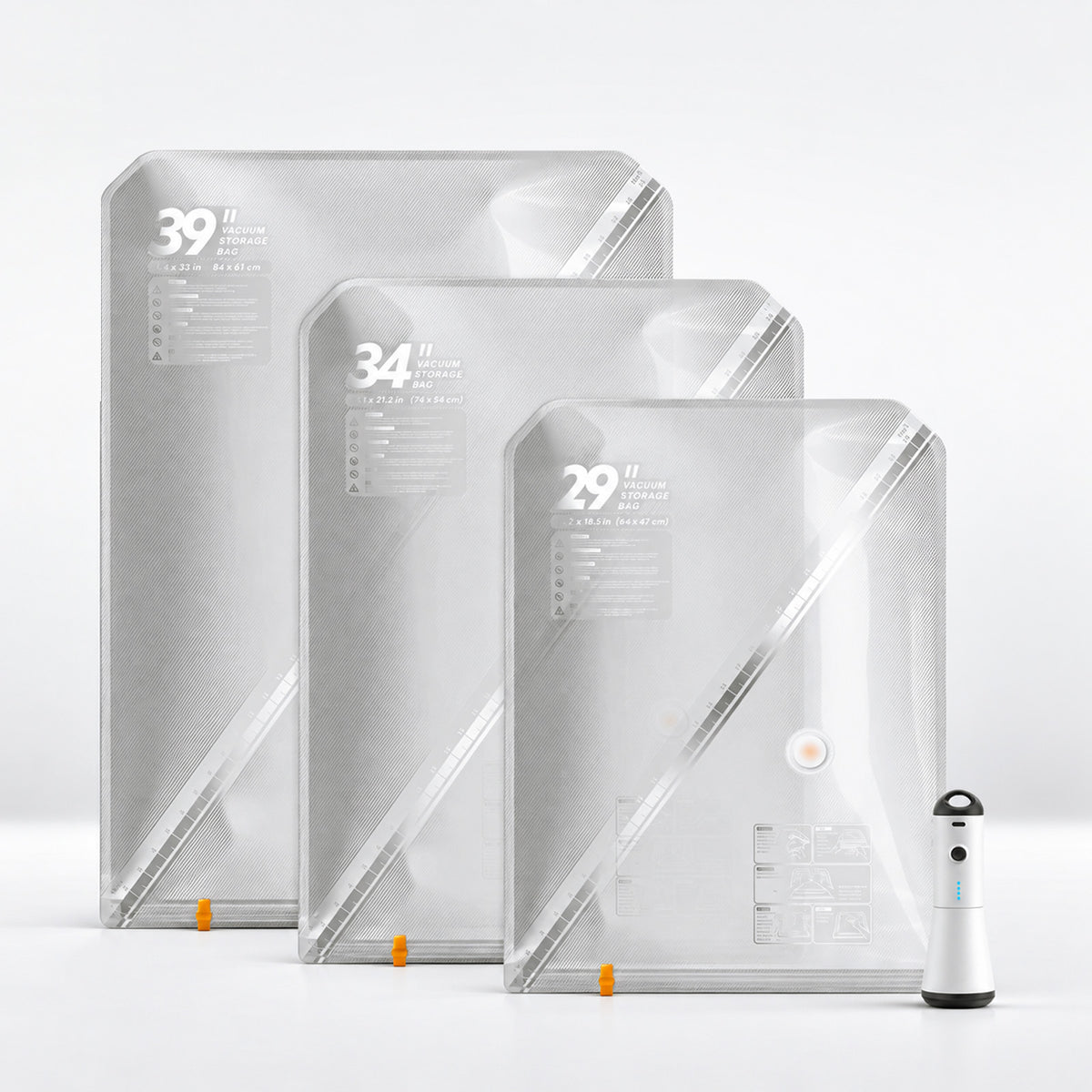
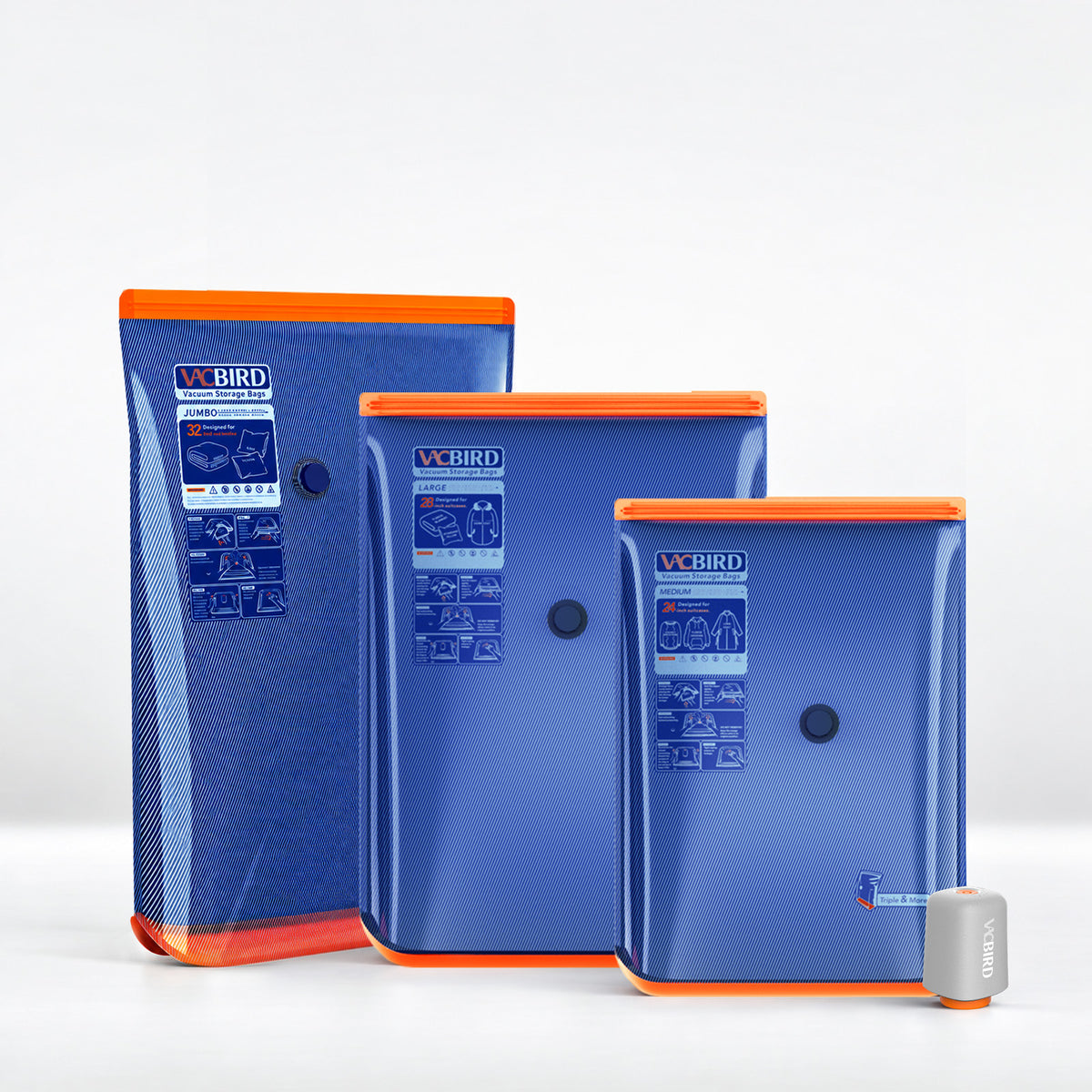
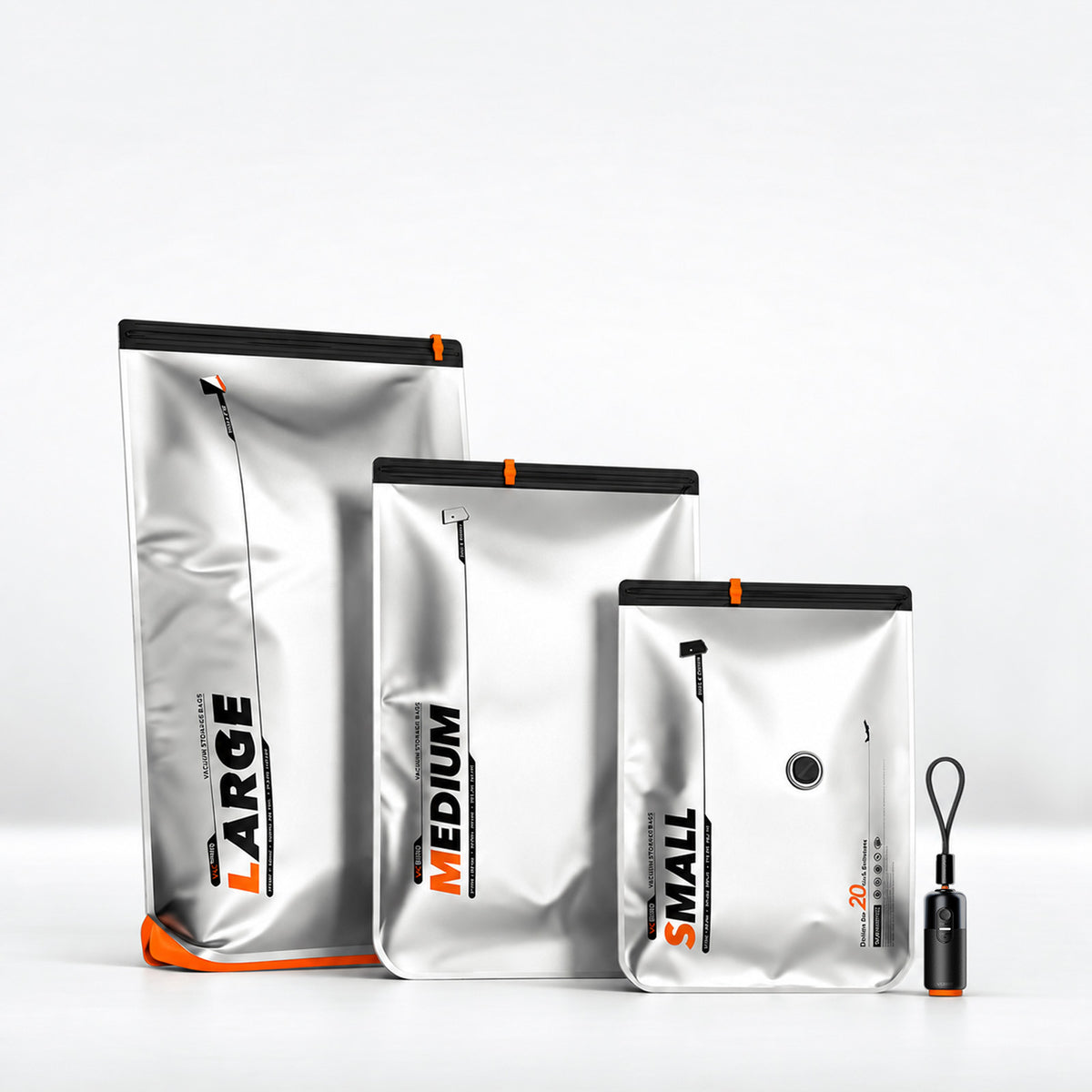
I prefer to choose a quality bag that lasts for years. VacBird helps me with this as its vacuum storage bags are of high quality, which are also available in all required sizes.
- VacBird vacuum storage bags handle coats and sweaters.
- VacBird jumbo vacuum storage bags fit comforters and blankets.
- VacBird large vacuum storage bags suit mixed winter clothing.
A manual pump helps control air removal. But when you choose VacBird, you no longer need to take the stress of doing things manually. It offers electric pumps or cordless and rechargeable vacuum pumps that sucks the air from the jumbo size bag within seconds.
The bulky winter stuff filling rooms and closets before now just asks for a small space under your bed. Isn't it amazing?
How to Pack Winter Items Into Vacuum Storage Bags the Right Way
This step decides how clothes look months later.
I start by folding items flat on a clean surface. Rolling thick clothes creates pressure points. So, I choose flat folds that protect the shape and fabric.
Then I place clothes gently inside the vacuum storage bags for clothes. I leave space near the opening. Tight packing weakens seals and stresses the fabric.
Here is the exact order I follow
- Fold bulky items flat
- Place similar clothes together
- Avoid mixing sharp or hard items
- Leave breathing room near the seal
Once filled, I seal the bag carefully. I slide fingers across the zip twice to confirm closure.
Next comes air removal. The easiest part. I attach the VacBird pump and remove air slowly. The bag shrinks evenly, and clothes flatten without strain. I stop once the bag feels firm.
Before storing, I press the bag lightly and listen for air movement. No hissing sound means a strong seal. I label each bag with contents and season so future unpacking feels easy.
Benefits of Using Vacuum Storage Bags and Compression Bags for Winter Clothing
I found the benefits of vacuum storage bags in the first season. And you will also surely see them, after your first.
Space Saving and Better Organization
Removing air reduces volume drastically. They make your items compactly packed in a way so they take up less space for storage, and closets feel open again. It helps shelves hold more without stacking chaos.
No Entrance for Dust, Moisture and Pests
Airtight seals block dust and insects from entering the bag. The moisture has to stay out as it finds no way of penetration. You can even keep wool items clean without sprays or sachets.
Clothes Stay Fresh Between Seasons
Air removal and no moisture entry lower odor buildup. Clothes come out smelling normal even after months of storage. The bags actually keep the damage away from winter stuff.
Ideal for Bulky Winter Items
Jumbo vacuum storage bags and large vacuum storage bags handle thick blankets and coats with comforters without effort.
Seasonal Rotation Becomes Simple
Switching wardrobes feels quick with compression bags. Open. Wear. Repack. And you experience no stress.
These reasons explain why best vacuum storage bags beat boxes for seasonal clothing storage.
When to Use Compression Bags and Vacuum Storage Bags
Both tools serve a purpose. Choosing one needs consideration from your usage point of view.
- Vacuum storage bags work best for long seasonal storage at home. They remove air fully and save the most space. Jackets, sweaters, and bedding handle this well.
- Compression bags suit items that need frequent access. Lighter knits and travel friendly winter wear work better here.
I keep both on hand and choose based on how often I plan to open the bag.
The Best Practices I Follow and Common Mistakes I Always Avoid
Mistakes are possible, specifically when you are using compression or vacuum storage bags for the first time. They completely ruin storage results. Some helpful practices are
- Always store clothes clean and dry
- Never overfill bags
- Avoid humid storage areas
- Don’t put sharp objects inside the bag or near it
- Skip tight sealing for delicate fabric
These habits protect vacuum bags storage and clothing long term.
Where to Store Packed Seasonal Clothes Inside Your Home
Storage location matters even with sealed bags. You need a place away from the heat and sunlight. Avoid using damp places to avoid moisture. Store flat to protect seals.
Good spots include
- Under bed storage
- Top closet shelves
- Bedroom cabinets
- Dedicated storage rooms
FAQs
Are vacuum storage bags for clothes safe for all fabrics?
Vacuum storage bags for clothes work well for cotton and fleece, polyester and wool blends. Silk and delicate fabrics need gentler storage.
How long can clothes stay inside vacuum seal storage bags?
Seasonal storage works well. Clothes stay safe for several months when packed clean and dry. Long compression needs occasional checks.
What is the difference between vacuum storage bags and compression bags?
Vacuum storage bags remove air completely using a pump. Compression bags reduce air through manual pressure. Vacuum bags save more space.
Can vacuum storage bags prevent moisture and pests?
Yes. Quality vacuum bags storage options block moisture and dust. Theyinsects don’t find space to enter, specifically when sealed properly.
Conclusion
Packing winter clothes does not need to feel rushed or frustrating. A calm process and the right tools change everything.
Vacuum storage bags and compression bags protect fabric, free space and simplify seasonal changes. After years of doing this, I no longer worry about opening bags months later.
If storage feels overwhelming every year, this method brings control back. Once you try it properly, it becomes routine. That is what real seasonal storage should feel like.