If your travel bag still looks bulky after compression, it doesn't necessarily mean you need a bigger suitcase or a stronger pump. In many cases, getting the most from a vacuum compression bag comes down to three simple things: what you compress, which bag size you choose, and how you arrange your clothes inside.
Travel compression bags work by removing the air trapped between layers of soft clothing. When used strategically, they can significantly reduce the volume of bulky items and make it easier to organize your luggage.
But compression is only part of the packing process. The way you use that newly created space determines how much of a difference you actually see.
Here are three things to check if your travel bag still looks bulky after compression.
Why Does Compression Sometimes Save Less Space Than Expected?
Vacuum compression works especially well on soft, fluffy items that contain plenty of trapped air.
Think about sweaters, hoodies, sweatshirts, pajamas, towels, and other soft clothing. These items can contain a surprising amount of air between their layers. Removing that air allows them to become much more compact and easier to arrange inside your luggage.
However, different fabrics and clothing types respond differently to compression. Thin T-shirts, for example, already have a relatively compact shape, while a thick sweater or soft jacket has much more air that can be removed.
That's why the goal shouldn't simply be to make every bag look as small as possible.
The better question is:
How can I turn compressed clothing into usable suitcase space?
This is where smart packing makes a difference.
Instead of compressing everything, prioritize the items that create the most bulk. This helps you get more meaningful space savings while keeping your suitcase organized and easy to pack.
1. Compress the Items That Take Up the Most Space
One of the easiest ways to improve your packing results is to focus compression where it matters most.
Good candidates include:
- Sweaters
- Hoodies
- Sweatshirts
- Pajamas
- Soft jackets
- Towels
- Gym clothes
- Socks
These soft items often have plenty of air between their layers, making them ideal for vacuum compression.
Thin T-shirts and other lightweight garments may not need as much compression. Instead of filling a bag with every item you own, use your compression bags strategically for the clothes that create the most volume.
Avoid Creating One Oversized Bundle
It can be tempting to put an entire category of clothing into one large bag. While this may seem convenient, dividing bulky items into smaller groups can give you more control over the final shape.
For example, you might keep sweaters in one bag and casual clothing in another.
This makes it easier to:
- Create flatter compressed bundles
- Arrange bags around the shape of your luggage
- Find specific items more easily
- Make better use of corners and gaps
The goal isn't simply to create the smallest possible bag.
It's to create compact bundles that fit together efficiently inside your suitcase.
2. Choose a Compression Bag Size That Matches Your Packing Plan
Even a well-compressed bag can take up more usable space if its size doesn't match your luggage or the clothing you're packing.
Your suitcase has a fixed interior shape, including corners, wheels, handles, and different compartments. A compression bag that is too large may leave awkward gaps around it, while several smaller bags can sometimes be arranged more efficiently.
Match the Bag Size to Your Clothes
As a general guide:
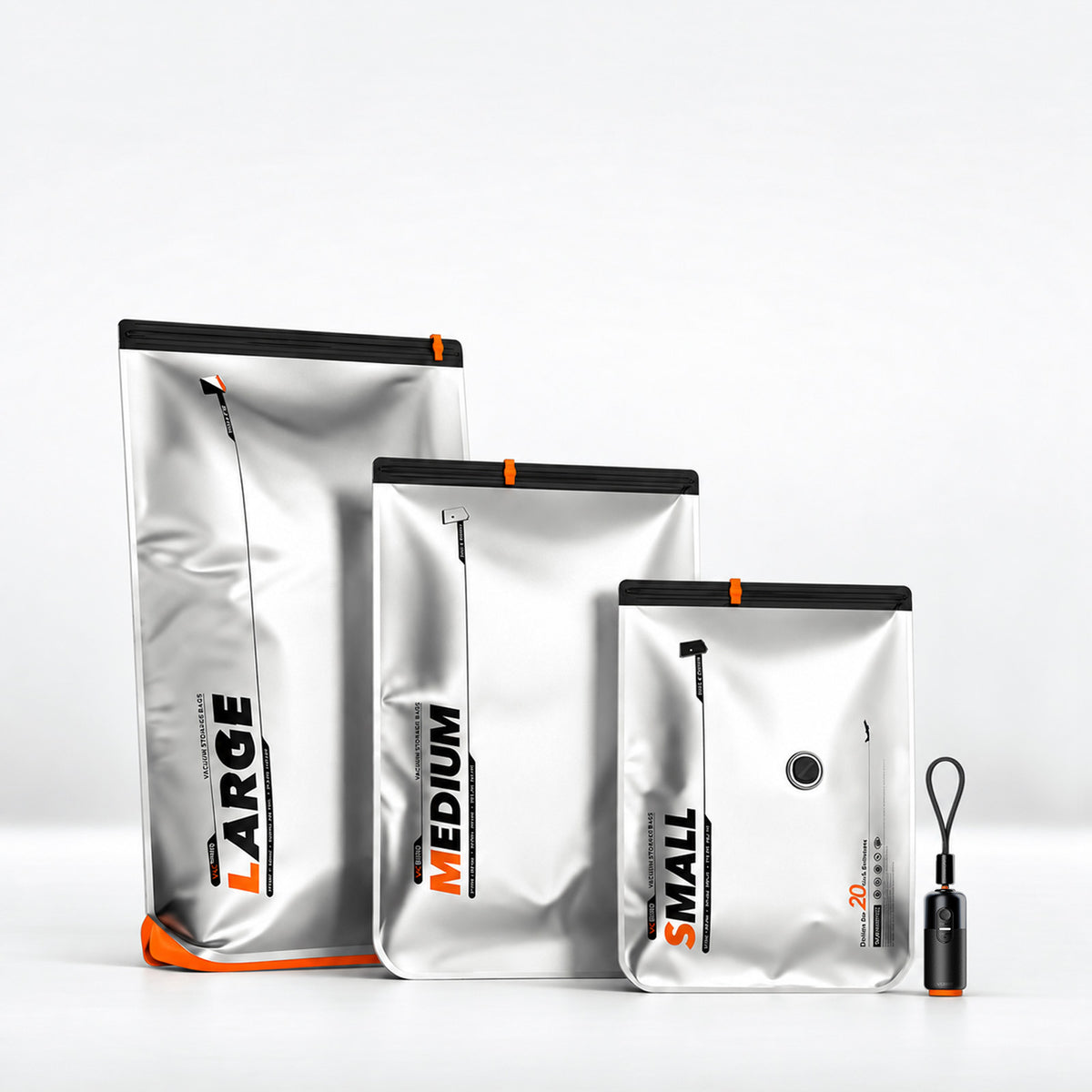
- Small bags work well for smaller garments, underwear, swimwear, socks, and lightweight clothing.
- Medium bags are useful for sweaters, sweatshirts, pajamas, and other soft everyday clothing.
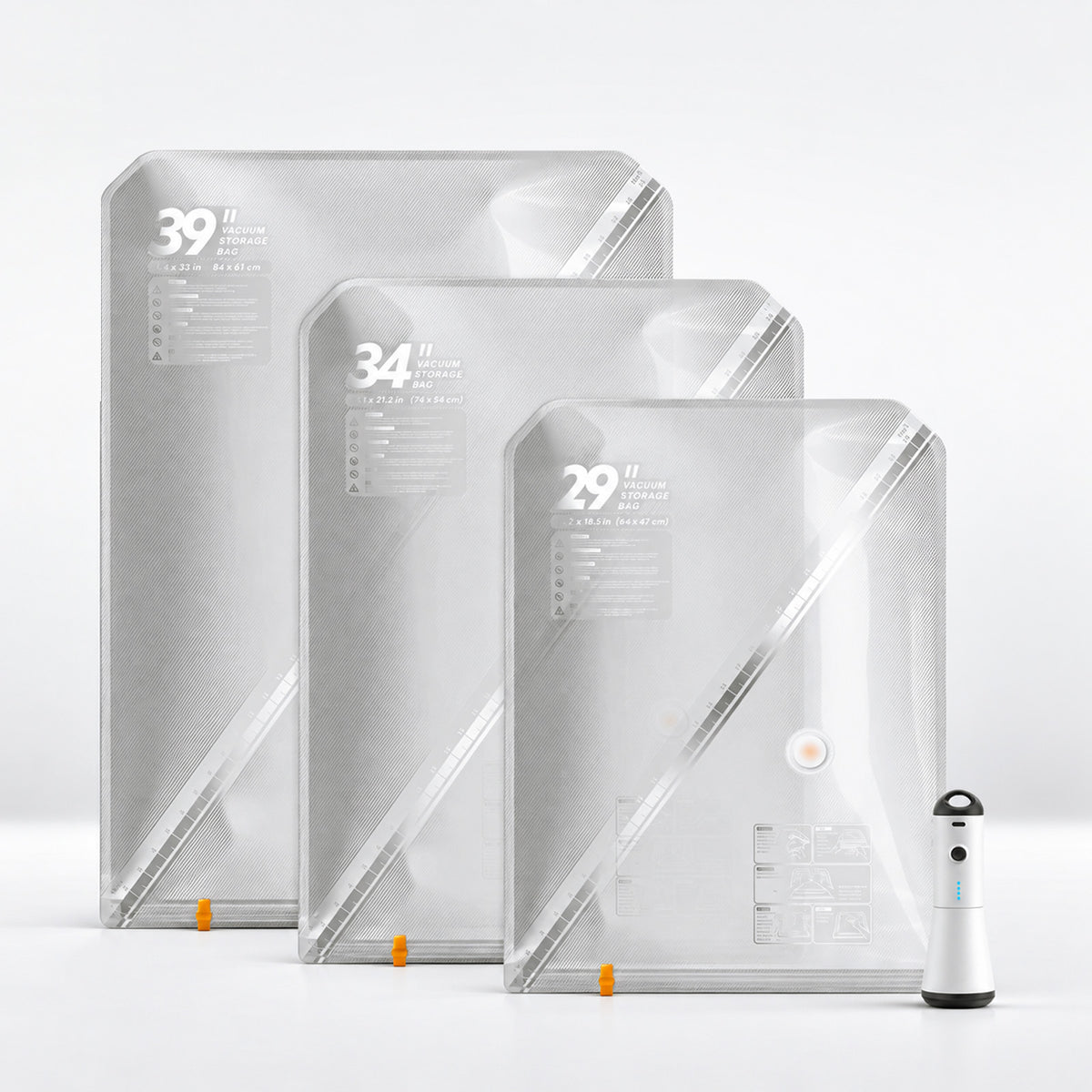
- Large bags are better suited to bulkier items such as jackets, towels, and larger pieces of clothing.
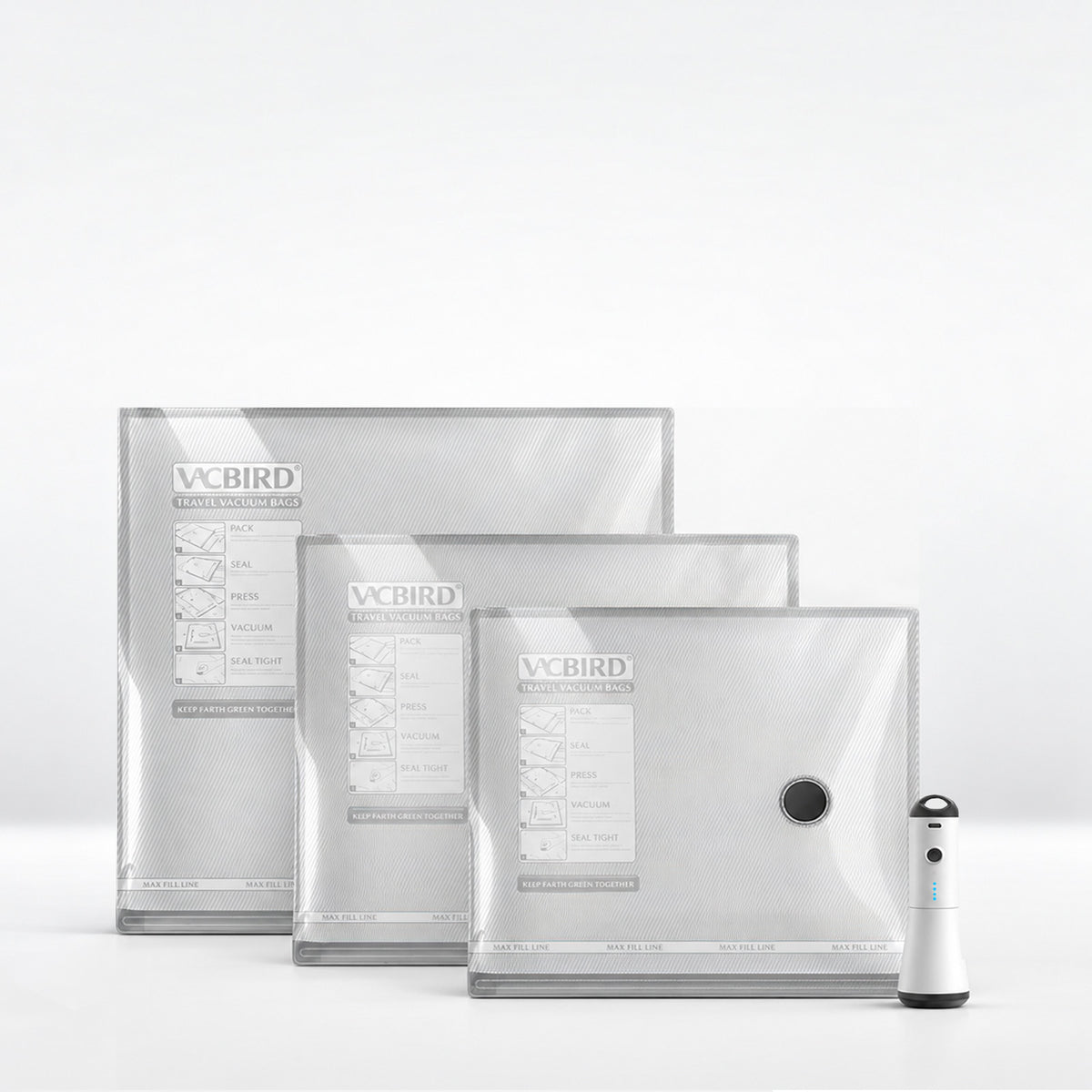
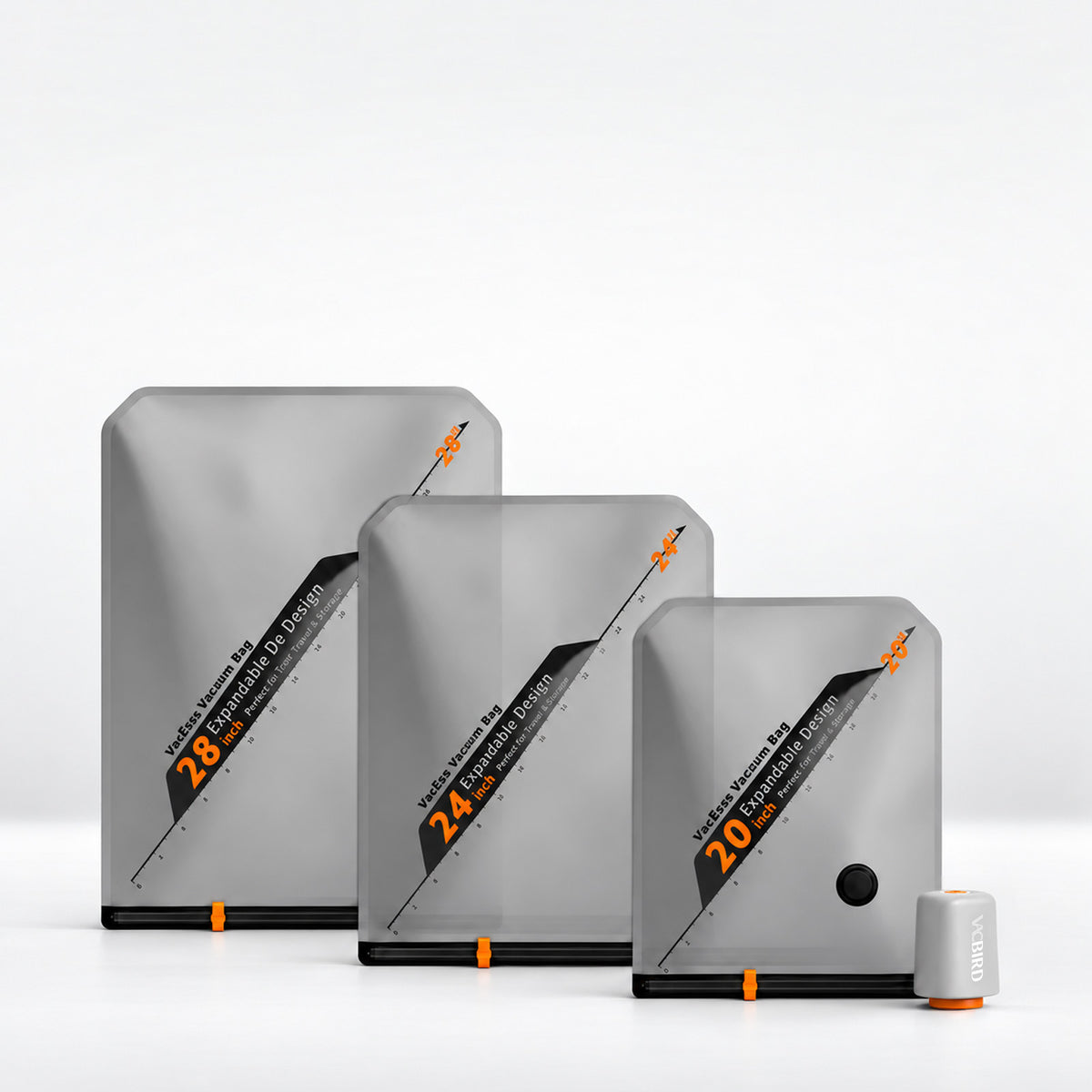
For travelers who want flexibility, a mixed-size compression bag set can make packing easier because you can choose the size that works best for each category of clothing.
For example, VacEase Ultra offers different sizes for organizing smaller garments and everyday travel essentials.
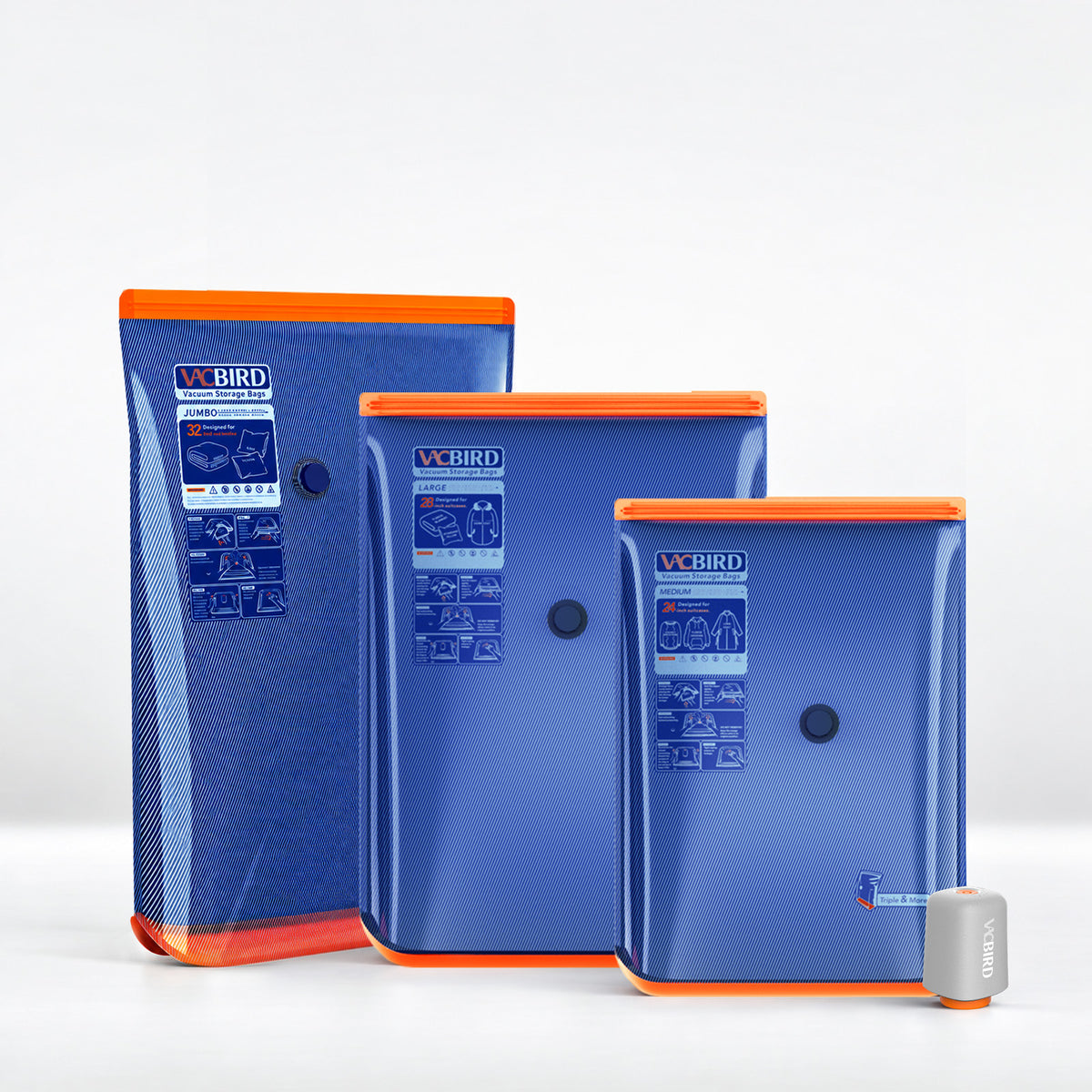
For bulkier clothing, Turbo X8 is designed for fast, efficient compression and is especially useful for sweaters, hoodies, jackets, and other high-volume items.
The key is to choose the bag based on the clothing you plan to pack rather than simply choosing the largest bag available.
A properly sized bag allows clothing to spread more evenly and creates a more practical compressed shape.
3. Arrange Your Clothes for a Flatter Compression Result
Once you've chosen the right items and bag size, how you place your clothes inside the bag can make a noticeable difference.
Before compression, spread the clothing across the bag instead of creating one thick pile in the center.
Create Flat Layers Before You Pump
For bulky clothing, try this simple approach:
- Lay the clothes as flat as possible.
- Spread thicker pieces across the bag.
- Avoid putting all bulky items in one central pile.
- Keep the closure area clear.
- Seal the bag properly.
- Remove the air.
- Check the final shape before placing it in your luggage.
When the clothing is distributed evenly, the compression process can create a flatter, more manageable bundle.
This is especially useful when you're packing a suitcase with limited space. A flatter bundle is easier to stack, position, and combine with other bags.
Let the Compression Work With Your Packing Strategy
A powerful pump is designed to remove air quickly and efficiently. But the best results come when compression and organization work together.
Instead of asking:
"How small can I make this bag?"
Think:
"How can I make this bag fit my luggage better?"
That small change in mindset can make your packing much more efficient.
How to Get Better Results From Vacuum Bags Before Your Trip
Getting more space from compression bags isn't about adding more clothing just because you can.
Start by deciding what you actually need for your trip. Then identify the bulky items that will benefit most from compression.
After that:
Choose the right bag size → arrange the clothes evenly → compress → organize the bags inside your luggage.
A reliable electric pump can make this process much faster, especially when you're packing several bags or preparing for a longer trip.
For travelers using Vacbird's Turbo X8, the one-touch electric pump makes it easy to compress clothing without spending a long time manually pressing or rolling the bags.
The compact pump is also designed to be convenient for travel, making it useful when you need to repack during your trip.
Once compression is complete, take a moment to check the seal and the final shape before placing the bag into your luggage.
A good compression routine should help you create more usable space, better organization, and a more efficient packing experience.
One Important Reminder: More Space Doesn't Mean Less Weight
Vacuum compression reduces the volume of soft items, but it does not reduce their weight.
If compression gives you extra room in your suitcase, resist the temptation to automatically fill every remaining inch.
Always check your suitcase weight separately before your flight and follow your airline's baggage requirements.
What Makes a Vacuum Bag Worth Using for Travel?
A useful travel compression bag should do more than simply reduce the size of your clothes.
For travel, it's helpful to consider:
- Compression performance — How effectively can it reduce bulky clothing?
- Bag size options — Can you choose a size that fits your packing needs?
- Shape after compression — Does the compressed bundle remain easy to arrange?
- Ease of use — Can you quickly compress and repack your clothes?
- Portability — Is the pump convenient to take on a trip?
- Organization — Can you separate different categories of clothing?
This is where a complete compression system can make travel packing easier.
The Vacbird Turbo X8 combines compression bags with a compact electric pump designed for quick packing and repacking. Its mixed-size bag options also make it easier to organize clothing by category and choose the right bag for different items.
For travelers packing bulky clothing, this combination can turn a crowded suitcase into a more organized and manageable one.
My Simple Pre-Flight Compression Check
Before closing your suitcase, run through this quick checklist:
☐ Did I prioritize bulky clothing that benefits most from compression?
☐ Did I avoid putting everything into one oversized bag?
☐ Did I choose a bag size that matches the clothes I'm packing?
☐ Did I spread thicker clothing across the bag?
☐ Did I keep the closure area clear?
☐ Did I seal the bag properly?
☐ Did I remove the air thoroughly?
☐ Does the compressed bag have a practical shape for my luggage?
☐ Did I check my final suitcase weight?
These small checks can help you get more usable space from your compression bags without making your packing process complicated.
FAQs
1. Why are my vacuum bags still bulky after compression?
Several factors can affect the final shape of a compressed bag. Thick clothing naturally contains more material, while overfilling a bag can create a dense bundle that is harder to arrange.
For better results, prioritize bulky soft clothing, choose an appropriate bag size, and spread the contents evenly before compression.
2. Should I fold clothes before putting them in a vacuum bag?
Yes. Folding or laying clothes flat can help create a more even compressed shape.
For thicker garments, spread them across the bag rather than stacking everything in one central pile.
3. Which clothes are best for vacuum compression bags?
Soft, bulky clothing usually benefits the most from compression. Sweaters, hoodies, sweatshirts, pajamas, soft jackets, towels, and similar items are good candidates.
Thin garments may need less compression because they already take up relatively little space.
4. Are vacuum bags good for carry-on luggage?
They can be useful for bulky soft clothing when the compressed bags still fit within your carry-on's size and weight limits.
Always check your airline's current baggage requirements before traveling, because compression reduces volume but not weight.
5. Can I use compression bags for long trips?
Yes. Compression bags can be particularly useful for longer trips because they help organize bulky clothing and create more usable space.
Using different bag sizes for different clothing categories can also make it easier to keep your luggage organized throughout the trip.
Conclusion
If your travel bag still looks bulky after compression, take a closer look at what you're compressing, which bag size you're using, and how your clothes are arranged inside.
Vacuum compression works best when you use it strategically. Focus on bulky soft clothing, choose a bag that matches your packing needs, and distribute your clothes evenly to create a flatter, more practical bundle.
With the right combination of smart packing + the right compression bag + efficient pumping, you can make better use of the space already available in your luggage.
The goal isn't to pack as much as possible.
It's to make the things you actually want to bring fit better, stay organized, and travel more easily.