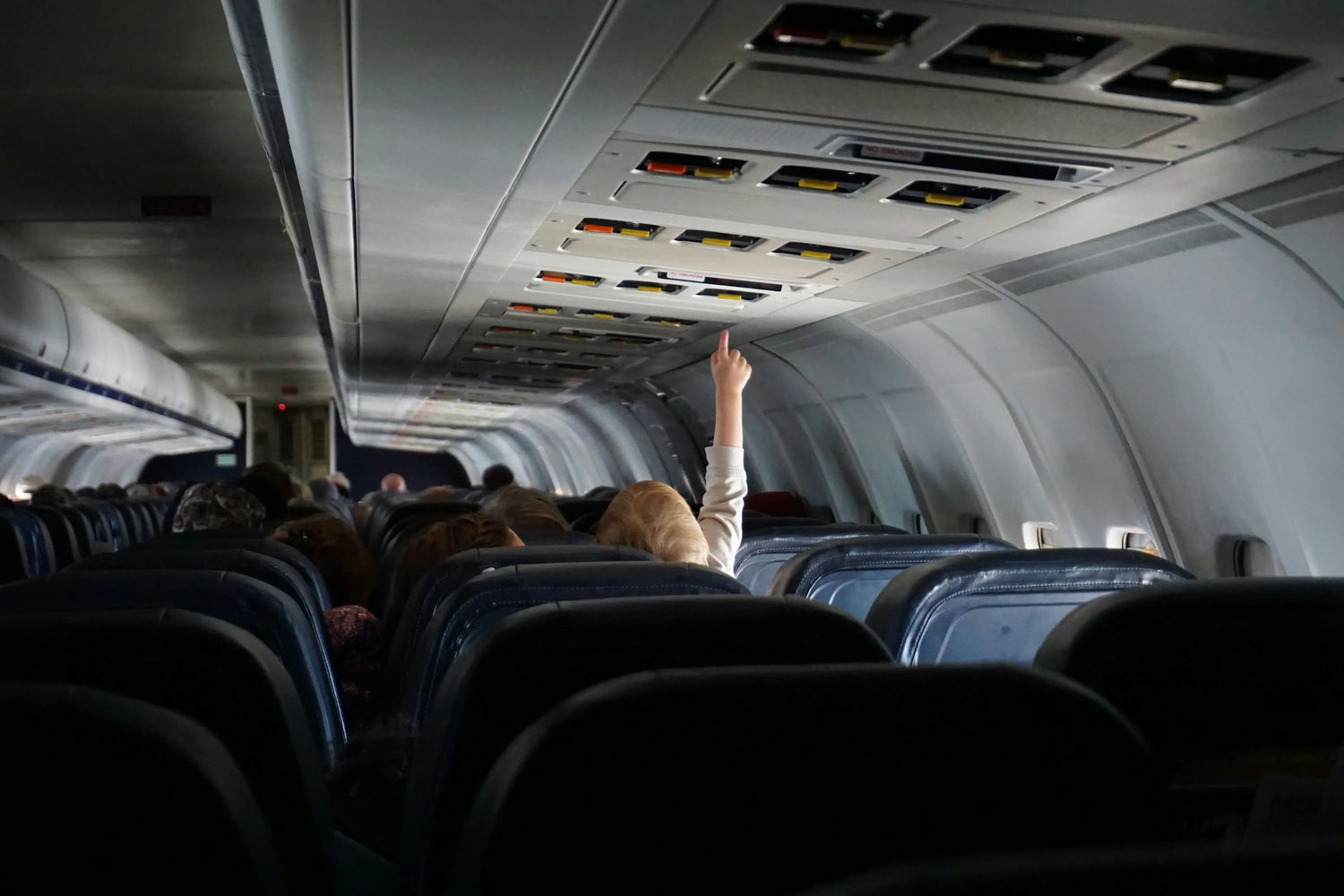
That night was unforgettable. How can a mother like me ever forget messy travel with children? Imagine kids bouncing on their seats, and overhead bins are full. Carry‑on is bursting at the seams. Yes! Girl, you will experience this all.
A red‑eye flight with kids rarely comes with calm, until I found my solution in the form of compression travel bags. These smart tools changed our travel game. They made that chaotic flight feel smoother. Let me share my method of easy packing and flying with vacuum compression bags. I will walk you through what worked, what to watch out for, and how you can do the same when heading off with your family.
Why a Red‑Eye Flight with Kids Needs an Extra Packing Strategy
When you board a flight late at night with children on your lap, space becomes your enemy. You have carry‑on bags, possibly a checked bag, changing clothes, sleepwear, a spare outfit, snacks, and toys. Each of those items adds up.
Typical luggage fails us because:
- You dig through a full suitcase in the dark when one child suddenly says, "I need a spare shirt."
- Flights have limited overhead bin space. Bulky jackets, pillows or blankets take up the room you really need for other items.
- Kids shift and items fall. You have to deal with bulging bags during travel.
If you instead rely on compression bags for luggage and compression bags for suitcases, you gain extra space and more organization. Suddenly, your packing isn’t merely “fit everything”, it becomes “fit smart”.
What Are Compression Travel Bags and How Do They Differ
The compression bags are simple plastic bags that allow the removal of air from the bag to pack items compactly. They mainly come in two designs.
- Manual packing compression bags are nylon bags with a sealed zipper and a pressure valve to remove air. You have to manually remove the air through the valve by rolling the bag after closing the zipper.
- Vacuum compression bags with pumps are bags that come with a plug in or rechargeable vacuum pump. Attach the pump with the pressure valve on the ag after closing the zipper and pressing the button. The pump starts sucking the air from the bag and compresses the items inside. It removes all the air from the bag more efficiently than manual compression bags for packing.
How Compression Bags Differ From Regular Packing Cubes
Compression cubes or sacks will often have a zipper system or straps to squeeze air out or tighten the bag. In one test, I found compression cubes remove air and bulk from your clothing so that it takes up significantly less space in your suitcase.
Regular packing cubes? They organize. They don’t necessarily reduce volume. For a red eye with kids, I needed both organization and volume reduction so we could access things mid-flight and still not overflow our space.
My Packing Setup: Using Compression Travel Bags with Kids
Here’s how I packed for our red‑eye flight and how compression travel bags made it all smoother.
How I Organized Items
- I gave each child one compression bag for their day clothes (change into plane, arrival), and one compression bag for night or sleepwear.
- I used one compression bag for jackets and blanket-type extras, which were bulky items but that we might need during or after the flight.
-
We carried a small backpack for in‑flight essentials.
⁛ Snack
⁛ Favorite toy
⁛ Spare top
⁛ Kid’s favourite blanket - For the main suitcase, I used compression bags to store the major parts of our luggage, which are my children’s outfits, my outfit, and toiletries.
-
One under‑seat carry‑on had our accessible items.
⁛ Kids’ entertainment
⁛ Spare a change of clothes.
⁛ Compression bag labelled mid-flight
Why This Worked
- Everything fit neatly with no bulging suitcase and no last‑minute shoving of items.
- When one child needed a change of clothes mid‑air, I pulled out the labelled compression bag instead of digging through the suitcase.
- The compression bag compressed the bulky jackets and blankets, so it did not hog overhead bin space.
- At our destination, I pulled out each child’s bag, handed it over, and unpacking was fast. No mix‑ups occurred with fewer lost items.
Vacbird Has My Go‑To Compression Travel Bags Solution
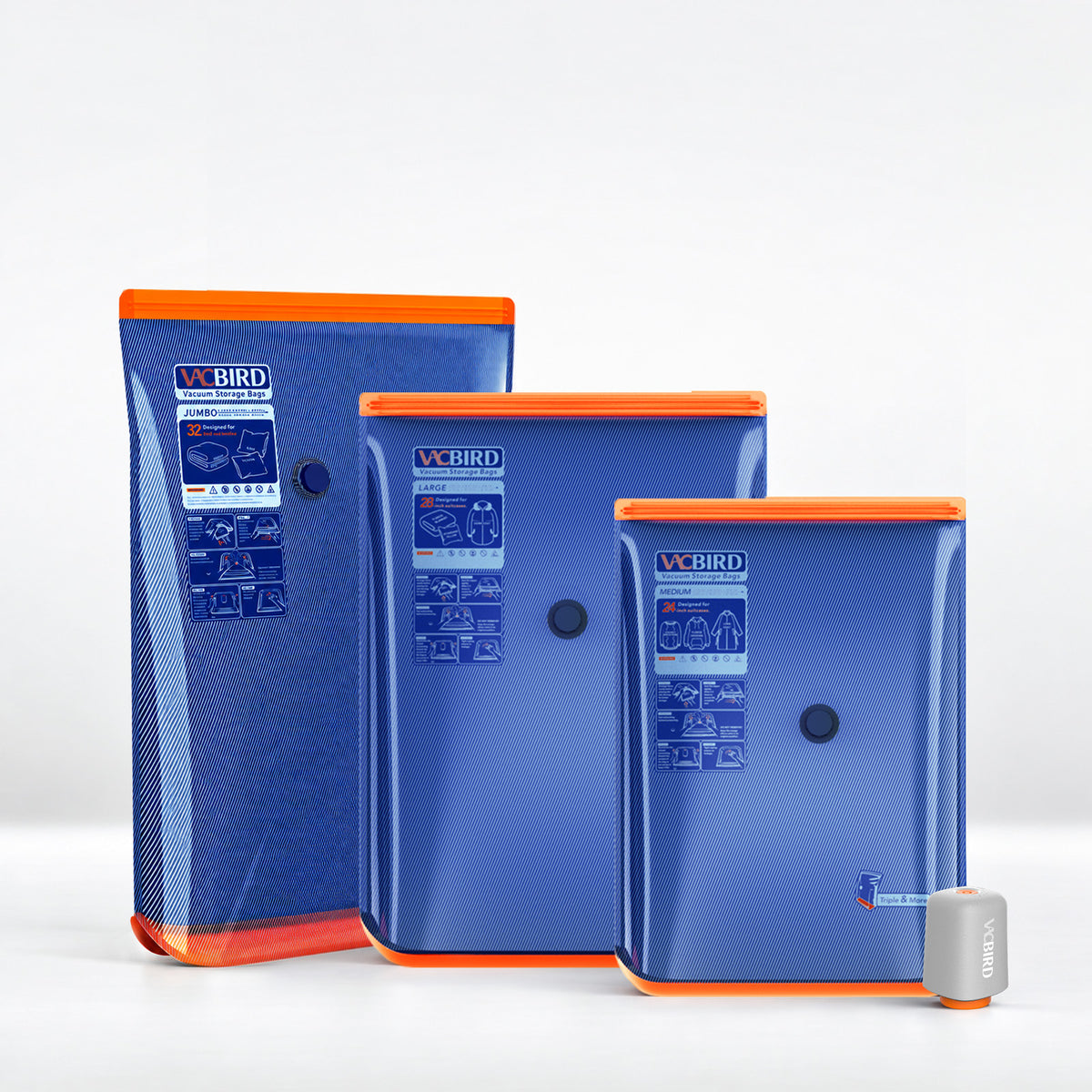
While regular compression bags helped a lot, I upgraded for our trip and used Vacbird’s vacuum storage bags or compression bags. These let me compress bulky items further.
Here’s what stood out:
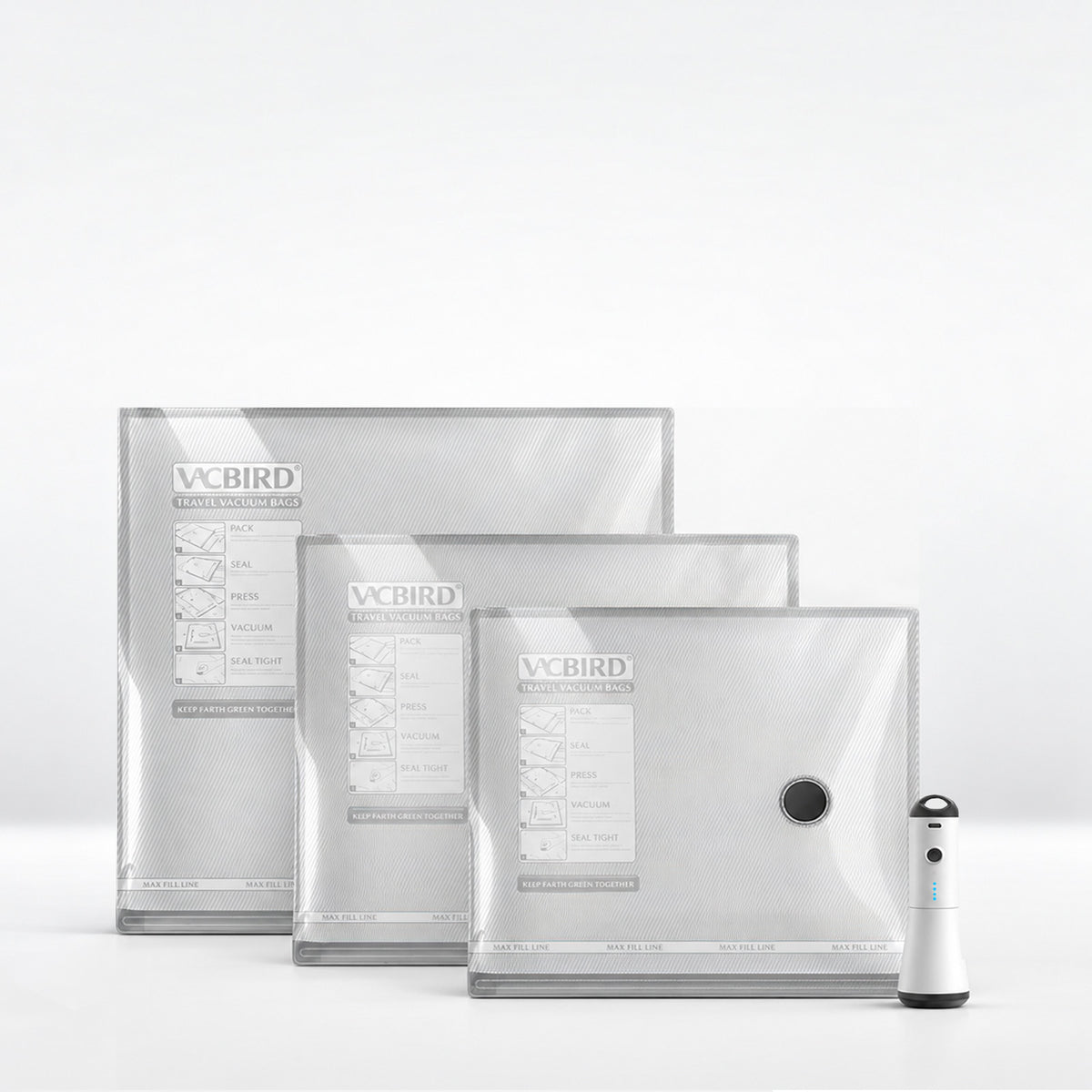
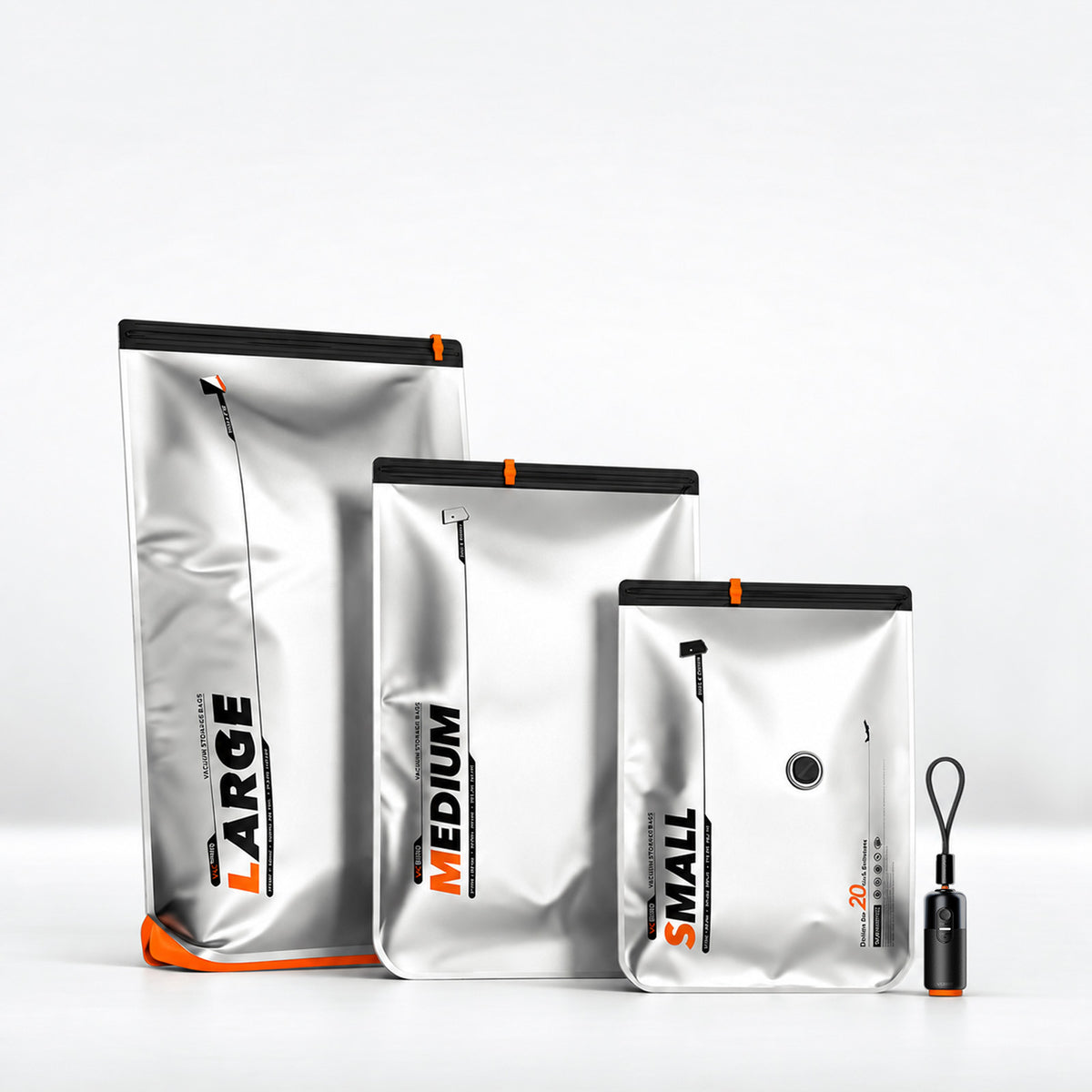
- Vacbird offers a set of travel vacuum storage bags made of tear‑proof material (PA+PE) and sized for travel.
- Their site explains both vacuum bags and compression bags and how to choose between them.
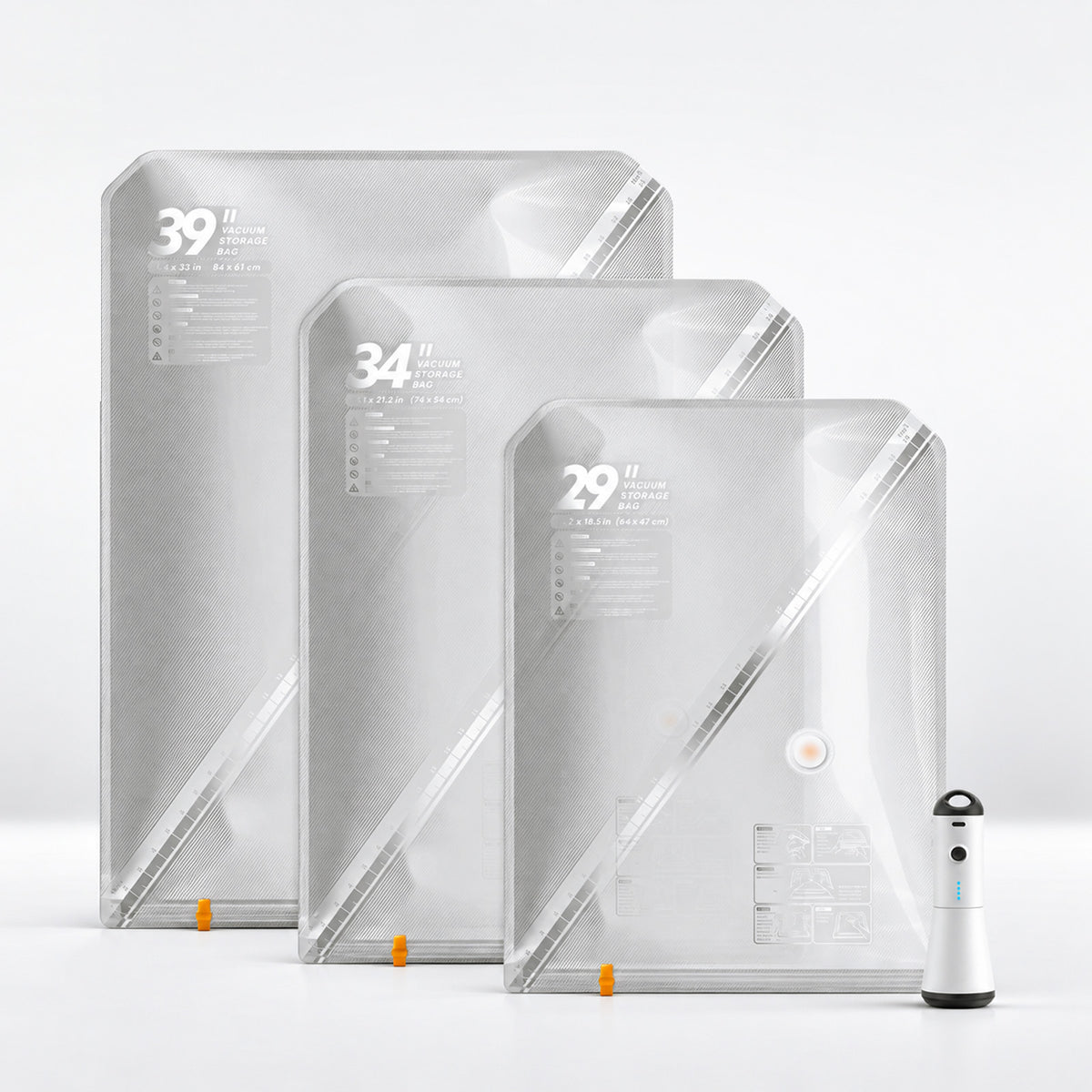
- One set includes multiple bags in small, medium and large travel sizes. They work perfectly for my suitcases.
How I Used Them In Practice
I put the kid’s jackets and my large scarf in a VacBird vacuum storage bag. The space was still there, so I added my extra blanket in the bag and suck out the air with the help of a pump. I achieved organization and space. The vacuum storage bags were the true helpers because those bulky items would otherwise hog space or force me to overpack the suitcase.
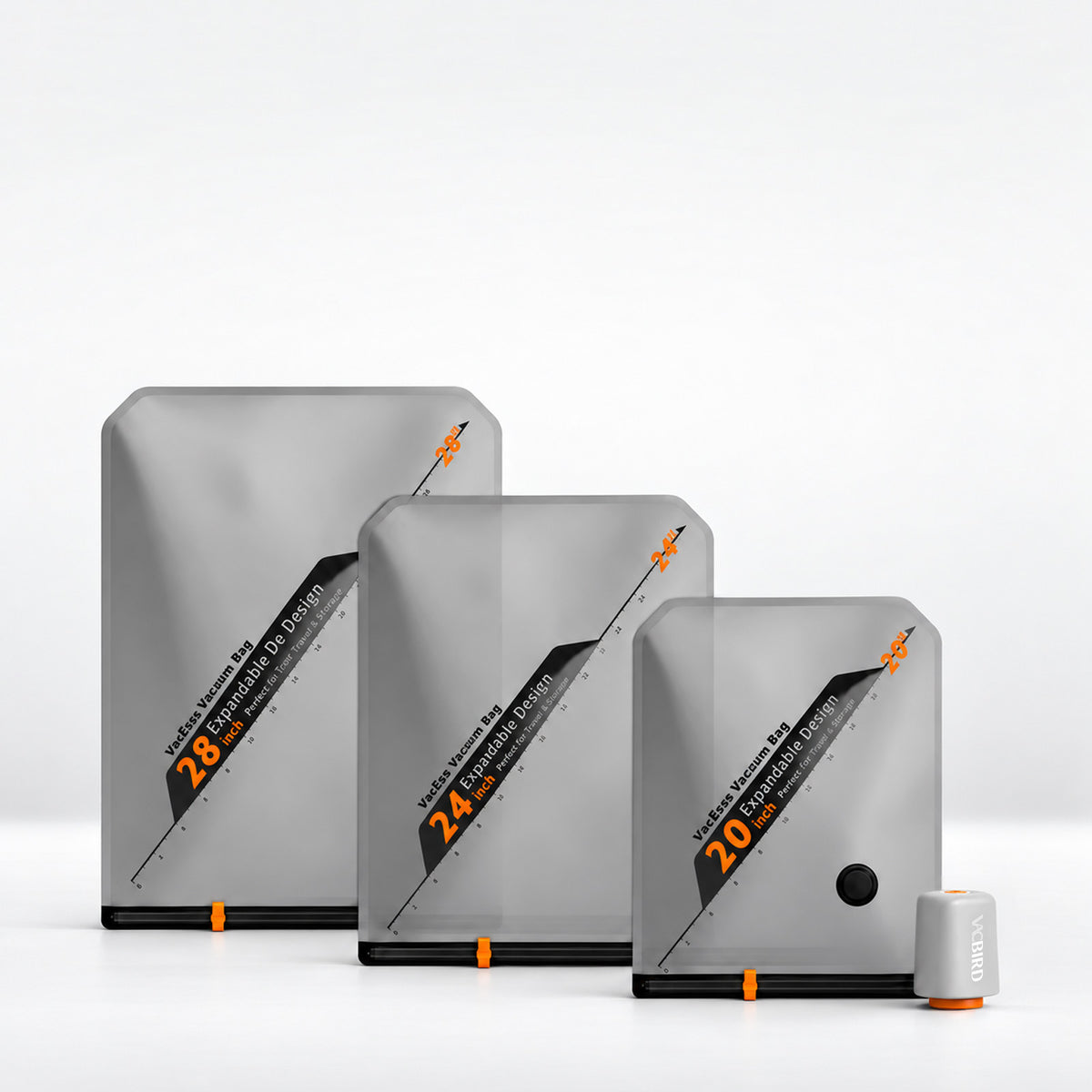
I also used the VacEase compression bags for packing my regular clothes. They remain safe from moisture and spills. The dual system of compression and vacuum meant that nothing was wasted space, and we still had quick access when needed.
How I Packed and Organized with Compression Bags
Here are the steps I followed. Replicate them for easy and mess-free traveling.
Choose The Right Size Bags
Availability in various sizes helped me to pick the right bag size for different clothes. I pick the small-sized bags for each child. One bag for a daytime outfit and one for a sleep or night outfit. I put all the bulky items in the large vacuum bags. I use the jumbo size vacuum storage bag for the storage of bulky items at home. For carry‑on essentials, choose a small compression bag labelled “In‑flight”.
Fold Or Roll Clothes First
I folded day outfits. For sleepwear, I rolled to save space. Rolling helps reduce creases and works well with compression bags.
Place Clothes In Compression Bags
Manual bags need only the placement of bags in the bag, proper zipping up, and squeezing air by rolling with bag manually with hands. Attach the vacuum pump to the pressure valve on the vacuum storage bag after sealing it properly to remove air.
Pack In A Suitcase / Carry‑on
- Heavier compressed bags were at the bottom of the suitcase.
- Kids’ bags were placed accessible so I could reach them in-flight.
- Carry‑on gets the “in‑flight” compression bag.
Label & Access
- I used a small tag/label on each bag (Child‑A, Child‑B).
- Kept the “in‑flight” bag slightly less tightly compressed so I could open it mid‑flight easily.
Check Weight And Accessibility
- Because everything was compressed, the case got heavier than expected. I weighed it before checking in.
- During boarding, I made sure the carry‑on was within limits and the compressed bags didn’t look bulging.
Benefits I Saw Of These Vacuum Storage Bags
- The main benefit is space saving. I fit all the kids’ outfits plus our main outfits in one medium suitcase and one carry‑on. The bulky items didn’t take up extra space.
- The organization I achieved with these bags has no match. Everything had its bag. Children’s clothes are separate, and my clothes are in a separate bag. All extras were in a separate bag, so no mixing of items happened.
- I experienced less stress mid flight. When one child asked for a change, I simply pulled their compression bag.
- It helped me with fast unpacking on arrival. Took each bag out, handed it to the child, and they unpacked while I handled the suitcase.
- The bulky items that normally would go under the seat or awkwardly overhead were compressed and stowed neatly.
- The vacuum bags kept jackets and blankets compact and safe from moisture, which was useful in flight.
Remember:
- Weight doesn’t reduce with compression—only volume does.
- Delicate fabrics may crease when over‑compressed. One travel test found that compression cubes increase creasing in delicate clothes.
What to Watch Out For / My Lessons Learned
- Don’t make the bags become a reason to over pack. Just because you are capable of fitting more doesn’t mean you should. I still ended up with unused outfits for the kids.
- Always weigh your checked bag. With extra items compressed, you might hit airline limits.
- Accessibility matters. If you compress everything too tightly, you might struggle to pull something out mid‑flight. I kept one bag less tight.
- Bulky items sometimes lose their shape or look crumpled. My travel jacket needed a quick steam after arrival.
- Make sure you can seal/unseal one of your bags quickly because airport security or in‑flight issues may require quick access.
- Assign kids a bag each—they feel involved and it simplifies unpacking.
- Check your pump and vacuum bag compatibility and battery/USB charging if you use a pump style.
FAQ
Q1: Will compression travel bags or vacuum storage bags damage delicate clothes?
Careful packing doesn’t ruin your clothes in any way. Over‑compressing damages the clothes or causes wrinkling. Silk or fine cotton type delicate fabrics are not suitable for vacuum storage bags. It’s safer to roll delicate items and avoid overfilling. Use a light compression.
Q2: Can I use vacuum‑style compression bags for suitcases on flights?
You can. Vacuum bags with a pump or manual air removal help with jackets or blanket-type bulky items. Brands like Vacbird offer travel sizes and pump sets for this purpose. Just remember: The weight stays the same, only volume reduces.
Q3: Are compression packing bags worth it for family travel with kids?
Absolutely. When traveling with kids, you often carry more items because they frequently request changes of clothes and blankets. Using compression packing bags and vacuum bags helped me manage the load and stay organized with less in‑flight stress.
Conclusion
That red‑eye flight with kids turned out to be one of our smoothest. I used compression travel bags and a smart vacuum/pump system for bulky items. I did not sacrifice organization or carry‑on ease. The kids had their bags. I knew where everything was. The bulky items didn’t take over the suitcase.
Try my shared strategy once and see how different the board‑in, aisle, overhead experience becomes. You may find the packing stress disappears and those chaotic early‑morning arrivals feel easier.