Worried about opening your vacuum storage bags to find moldy clothes?
Basements and attics both claim to be good storage spots. TBH, one is way riskier than the other.
Vacuum sealing alone does not make your clothes mold proof. Nor does it cause the mold growth.
The real culprit is the environment where you put those bags.
I will show you which space to avoid and give you simple storage rules that actually work.
Does Vacuum Sealing Really Prevent Mold? Or Is That a Myth?
It isn’t a myth. Actually, it’s humans who need to understand what vacuum sealing does and doesn’t.
Vacuum sealing does create a magic barrier against mold if you give vacuum storage bags a proper, favorable environment.
Vacuum sealing does not create mold. Mold needs specific things to grow. It needs moisture, warmth and organic material.
Clothes provide the organic material. Closed packing and your environment add warmth. You pack damp clothes. This traps moisture.
Vacuum sealing makes an airtight environment. It traps any existing humidity.
That trapped moisture turns into mold over time.
People start blaming the bags.
Your improper preparation causes the main issue.
Vacuum storage bags protect your things from dust and pests, and don't allow moisture to enter from the outside. However, they cannot fix an internal problem. If clothes are not completely dry, the bag will not save them.
The storage conditions also play a huge role. A bag will not protect against extreme environmental factors. High humidity and temperature changes may still damage your belongings. Always remember that vacuum sealing is a great tool. But it is not a cure-all for poor storage habits.
Basement vs. Attic Storage: Which Environment Is Tougher on Vacuum-Sealed Clothes?
Vacuum sealing isn’t the culprit. The next question should be this.
Where should you put your vacuum-sealed clothes? Basement or attic?
No one is perfect, as they have advantages and risks as well. Understanding these risks will help you make a better choice.
Basement Storage
Basements are tricky. They usually have stable temperatures. This can be a good thing. But they are famous for high humidity. The air feels damp. Concrete walls and floors can release moisture. Basement storage often leads to moisture problems. There is also the risk of flooding. Even a small leak is enough to ruin your stored items.
The lack of ventilation makes things worse. Damp air gets trapped. This creates the perfect environment for mold. Vacuum-sealed clothes can survive in a basement. But they need extra help.
Never place bags directly on a concrete floor. The cold floor can create condensation. This moisture may seep into the bags over time.
You consider the basement a good choice if it is climate-controlled. You need a dehumidifier running constantly. You need to monitor the humidity levels. If your basement feels damp to you, it will surely be damp for your clothes also. I made this mistake once, and I will not do it again.
Attic Storage: Dryer Air but Extreme Heat
Attics have their own set of problems. They are often drier than basements. This sounds good for storage. But they deal with extreme temperatures. Summer heat can become intense. Winter cold can freeze everything. These temperature swings are dangerous for clothes.
Heat can damage fabric fibers. Next, it's causing condensation. Warm air holds more moisture. It condenses when the attic cools down at night. You clearly see this as it forms water droplets on the inside of your vacuum storage bags. Condensation is a big problem in attics.
Roof leaks are another risk. A damaged roof can drip water directly onto your stored items. You might not notice it for months. The damage is done by then. Try for proper ventilation in your attic, as poor airflow traps hot and humid air. This creates a breeding ground for mold.
Which One Would I Personally Choose?
Choosing between a basement and an attic is hard. I have stored items in both. I would lean toward a climate controlled basement if you ask me to pick one. It has stable temperatures. Managing the humidity is possible with a dehumidifier.
A dry and ventilated attic is acceptable. It must have good airflow. It should not have extreme temperature spikes.
A damp basement is a hard no. It will ruin your clothes. A poorly insulated attic is also a bad idea, as it helps regulate temperature.
My personal recommendation is simple. Avoid both if you can. Find a storage space inside your home. A closet or spare bedroom is safer. Take every precaution when you have to use a basement or attic, along with adding shelves to lift bags off the floor. Check on them regularly. A little inspection can save your favorite clothes.
Can Vacuum Sealed Clothes Still Get Moldy?
Yes, They favors moid growth as the sealing process does not make them immune. When your storage bag’s environment meets the specific conditions, you can’t control mold growth.
Here are the main reasons why vacuum sealed clothes get moldy:
Damp clothes
This is the number one reason. You must make sure clothes are 100% dry before sealing.
Sweat and body oils
These organic materials feed mold. Always wash clothes before storing.
Trapped moisture
Even if you left a little bit of humidity inside the bag, you will see the consequences.
Broken seals
If the seal fails, air gets in. This air can bring moisture with it.
Poor-quality bags
Some bags are not airtight. They let moisture seep through over time.
Extremely humid environments
The bag can only do so much. Constant high humidity outside can affect the inside.
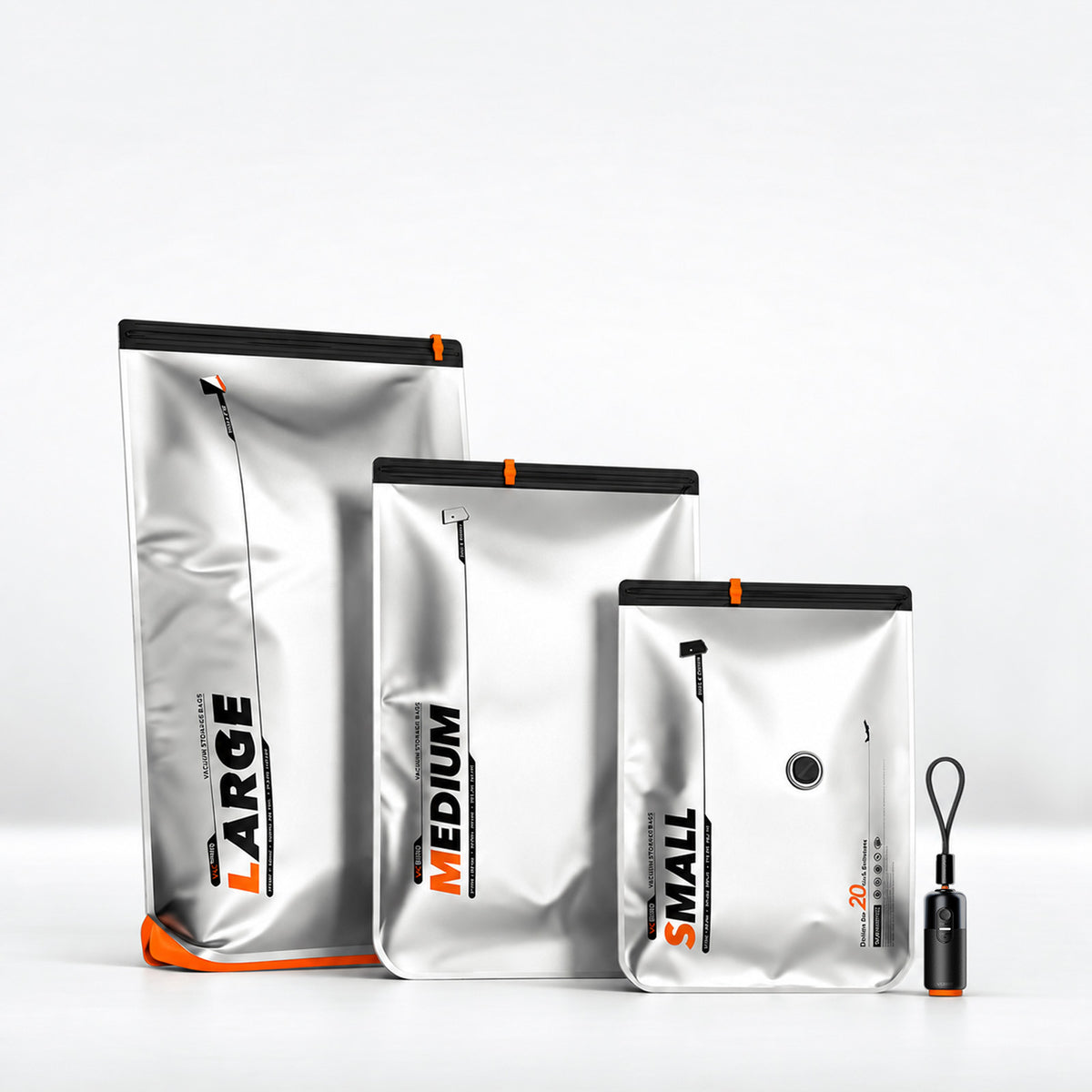
The vacuum bags themselves do not cause mold. They are just plastic. But they can create a sealed ecosystem. If you put moisture in, they trap it there. Mold will grow inside without fresh air to stop it. You can find quality vacuum bags from brands like VacBird. They help protect your clothes. But even the best bag cannot fix a wet shirt.
How I Store Clothes Without Worrying About Mold Anymore
I learned from my mistakes. Now I have a strict routine. I follow these steps every time I store clothes. It has saved me from mold and musty smells. This routine is simple and always works for me.
Wash first
I always wash everything before storing. Clean clothes are less attractive to mold and bugs.
Dry completely
This is non negotiable. I leave clothes in the dryer for an extra cycle. Then I air dry them for a full day to be safe.
Fold correctly
I fold clothes neatly. I do not roll them too tightly. Rolling can trap air bubbles inside the fabric.
Don't overfill
I leave some space in the bag. Overfilling stresses the seal. It also prevents a good vacuum.
Remove all air
I use a pump to remove as much air as possible. The less air, the better.
Label bags
I label every bag clearly. This helps me find things without opening everything.
Store off concrete floors
I use shelves in the basement rather than putting bags on concrete floors, which are cold and damp.
Check every few months
I inspect my stored clothes occasionally. A quick check can catch problems early.
Using space saving bags has helped me organize my home. They reduce clutter and protect my clothes. But they are only part of the solution. Good habits are just as important. Now I can store my winter jackets and summer dresses without fear.
Why I Switched to VacBird Vacuum Storage Bags
I used to buy cheap vacuum storage bags. They seemed like a good deal at first. But I learned that quality matters. Cheap bags often:
- Lose their seal over time
- Let air slowly seep back in
- Tears easily after one or two uses
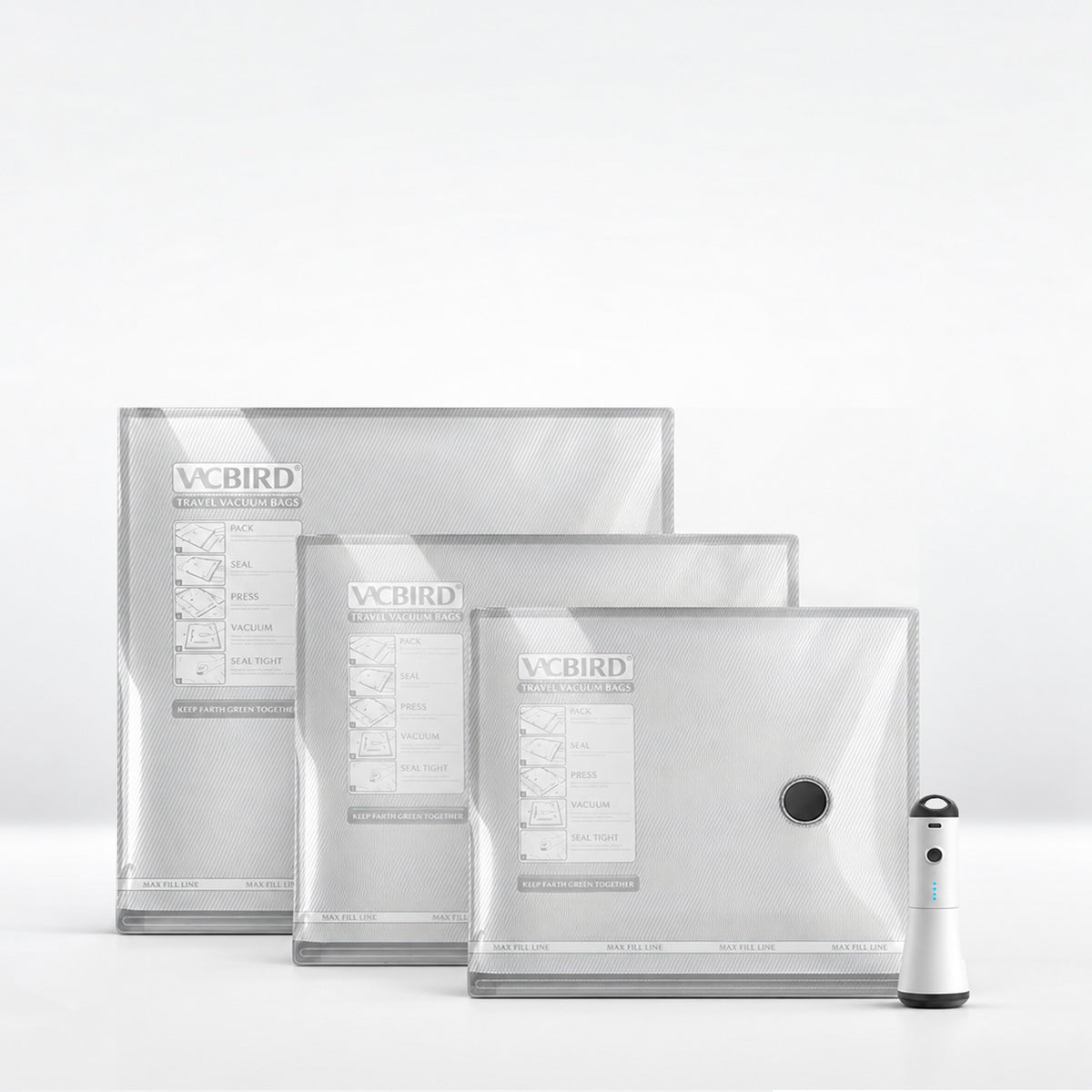
That is when I switched to VacBird bags. I noticed the difference right away. The material felt thicker and more durable. Here is what I love about them:
- Airtight protection keeps air out
- Reusable material lasts through many uses
- Double zip closure seals properly every time
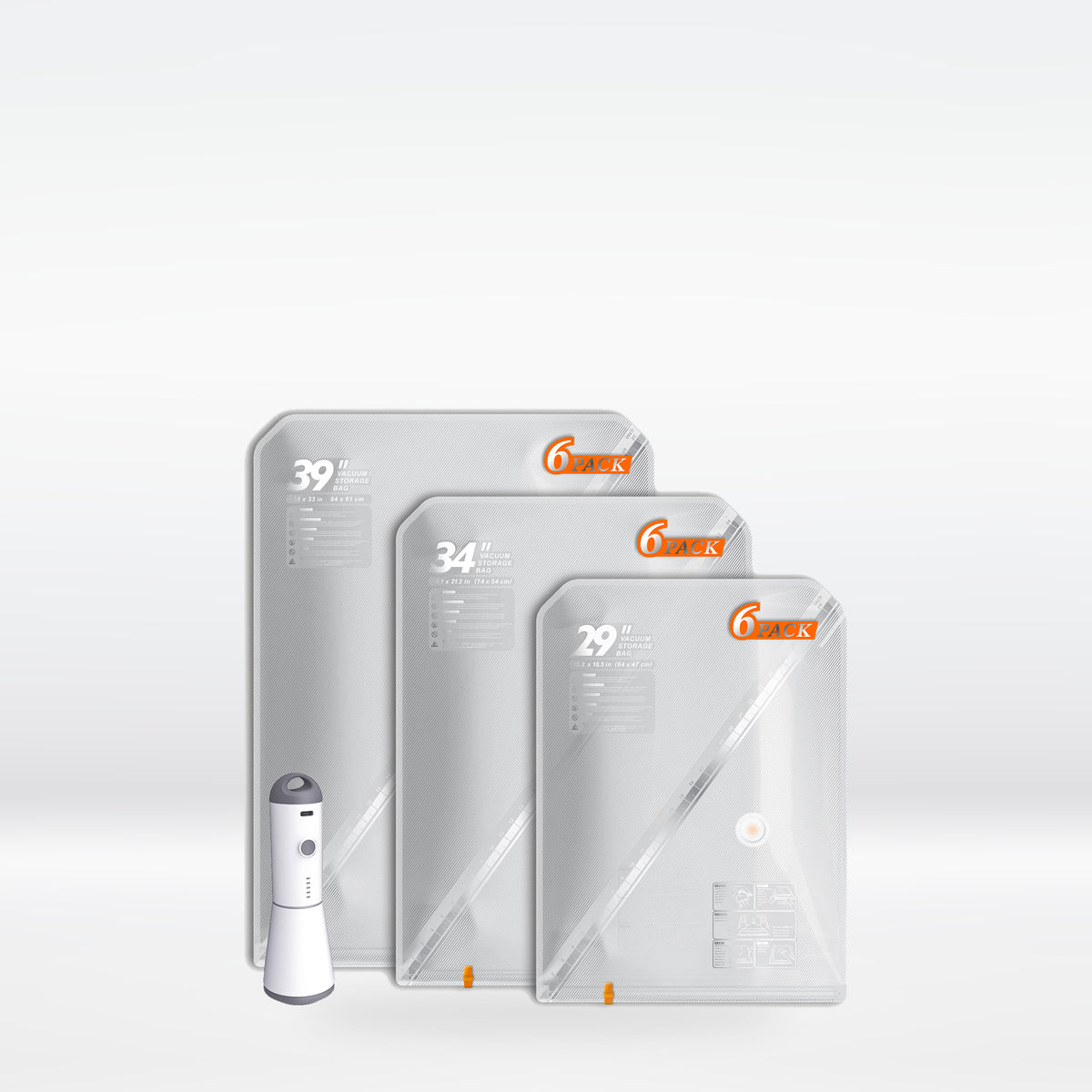
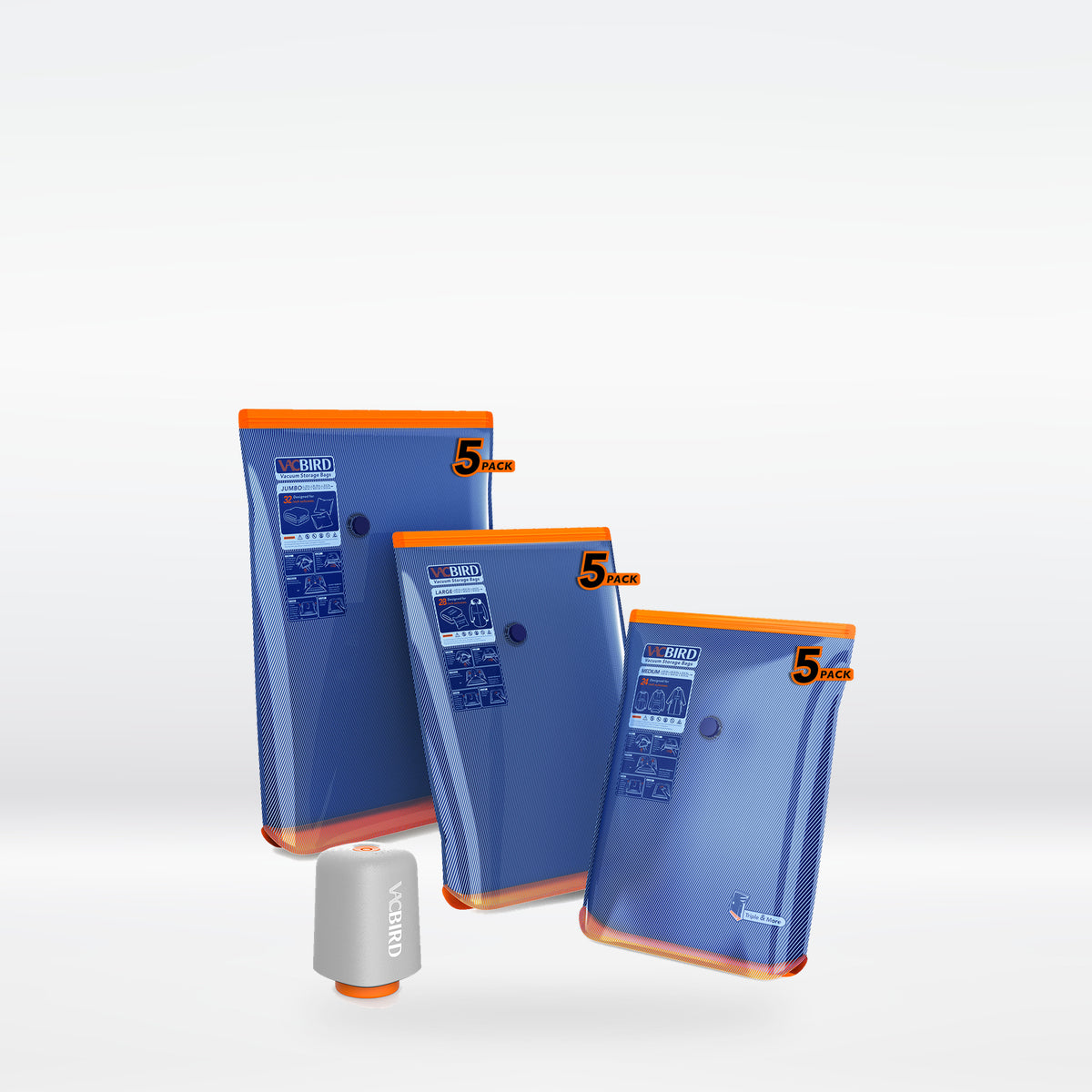
- Multiple sizes for travel and home storage
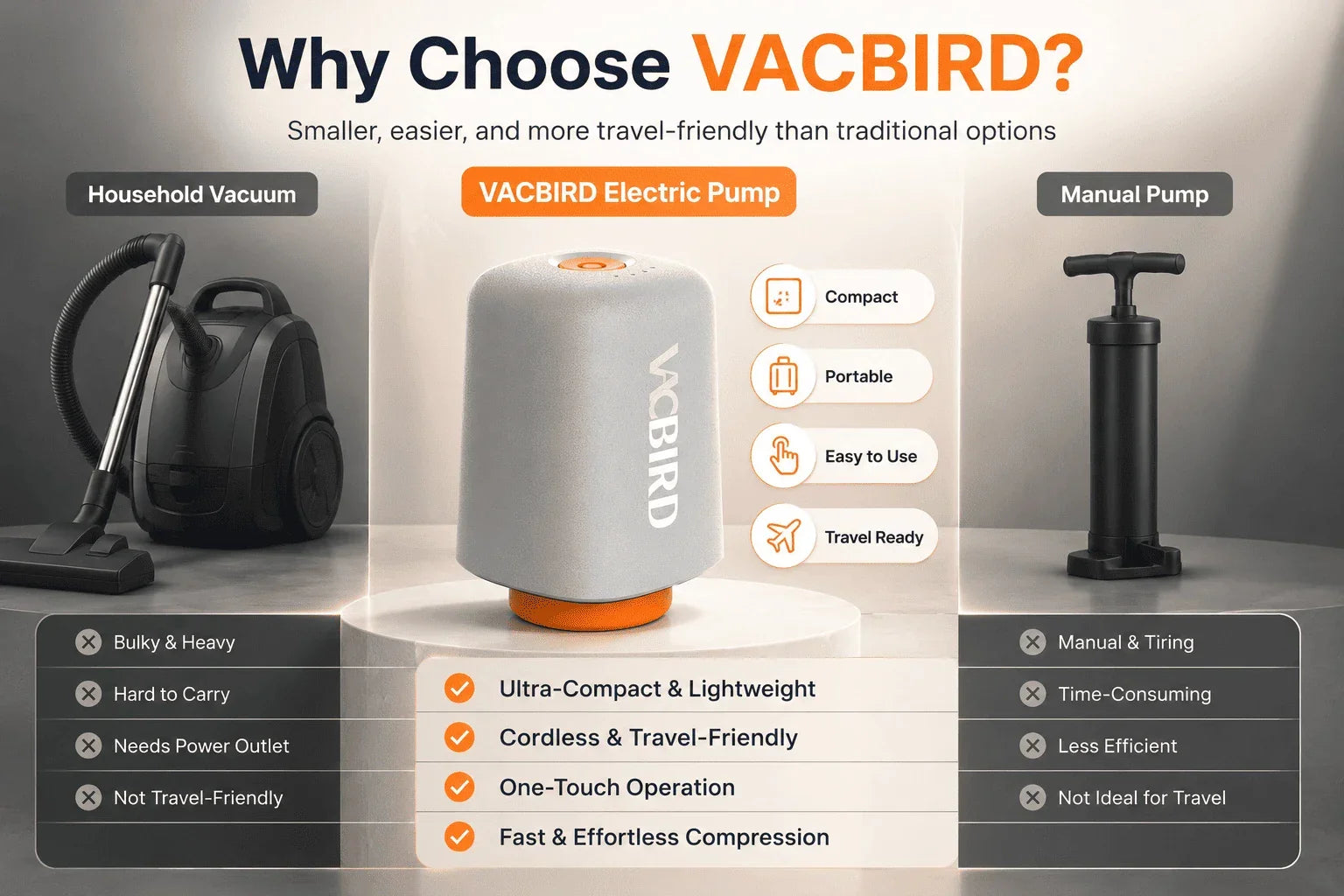
I also bought their rechargeable electric pump. It is compact and powerful. It removes air much faster than manual pumping. The pump makes the whole process so much easier. I used to dread storing my seasonal clothes. Now it is a quick and simple task.
VacBird bags are a smart investment. They are not the cheapest option. But they save money in the long run. You will not have to replace them often. They protect your clothes from damage. That is a big win for your wardrobe and your wallet.
FAQs
Do vacuum sealed clothes favor mold?
Clothes develop mold when you put them damp in the bags. The airtight seal traps moisture in the layers of clothes. This favors mold growth.
Basement or attic? Which one should I pick for my clothes storage?
Neither is ideal. Basements have high humidity. Attics have extreme temperature swings. I prefer a climate controlled closet for clothes storage.
Should clothes be washed before vacuum sealing?
Yes, always wash and dry clothes completely. Body oils and dirt will feed mold. Washing removes these food sources.
How long can clothes stay in vacuum storage bags?
They can stay for many months. Some people store them for years. Just check the bags occasionally to ensure the seal is intact.
Conclusion
So, are vacuum-sealed clothes more prone to mold in a basement or an attic?
Vacuum sealed clothes will be affected in both places, or even anywhere, if you don’t follow the proper packing protocols.
The risk is real in a basement and an attic. Vacuum bags do not cause mold until there is moisture trapped in them. The location just determines how much moisture your clothes face.
Think carefully before storing clothes in a basement or attic, along with the climate of your home. Invest in good storage solutions. Check on your stored items from time to time, as a little care goes a long way. Now you have the knowledge to keep your clothes safe and sound.