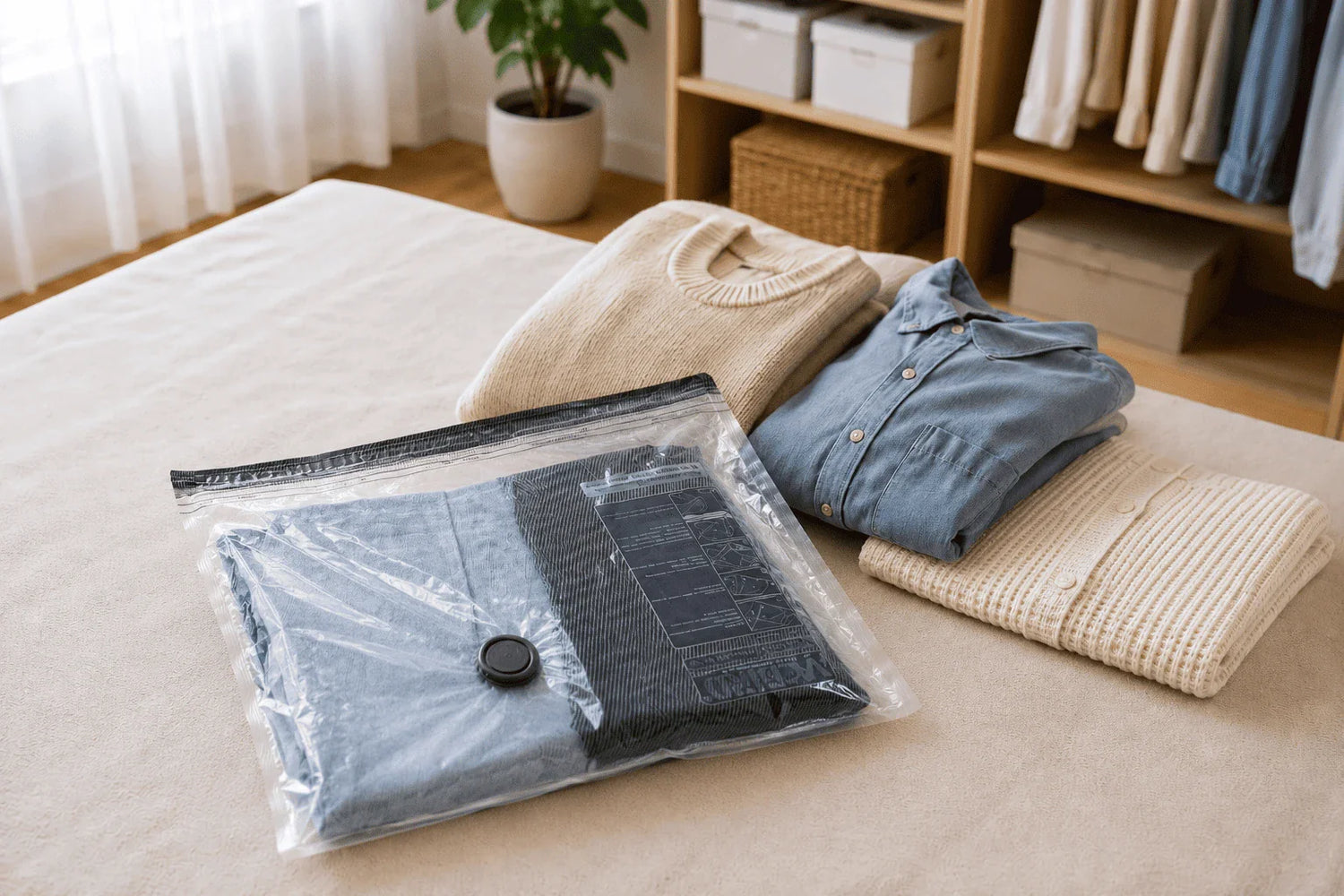
I used to think vacuum storage bags were a gimmick until moth holes appeared in my favorite wool coat. That is when I decided to give them a real test. I packed away my bulkiest winter clothes and forgot about them for a full year. Would they survive or come out ruined? The answer surprised me. Here is exactly what happened when I finally opened those bags and pulled out my clothes after 365 days of compression.
The Setup: How I Packed for the Long Haul
Preparation is everything with vacuum storage. I understand the moment I lost my whole pile of t shirts just because I left a tiny bit of moisture in a bag—this time I did things right.
I sorted everything by fabric type first. Winter coats went in one pile. Sweaters in another. Bed linens and a few delicate pieces I was nervous about went into separate groups.
Here is what my packing process looked like:
- Washed and dried every single item completely
- Let everything air out for an extra day to be safe
- Fold each piece neatly without sharp creases
- Left space near the valve for proper suction
- Used the slider clip to double-check the seal
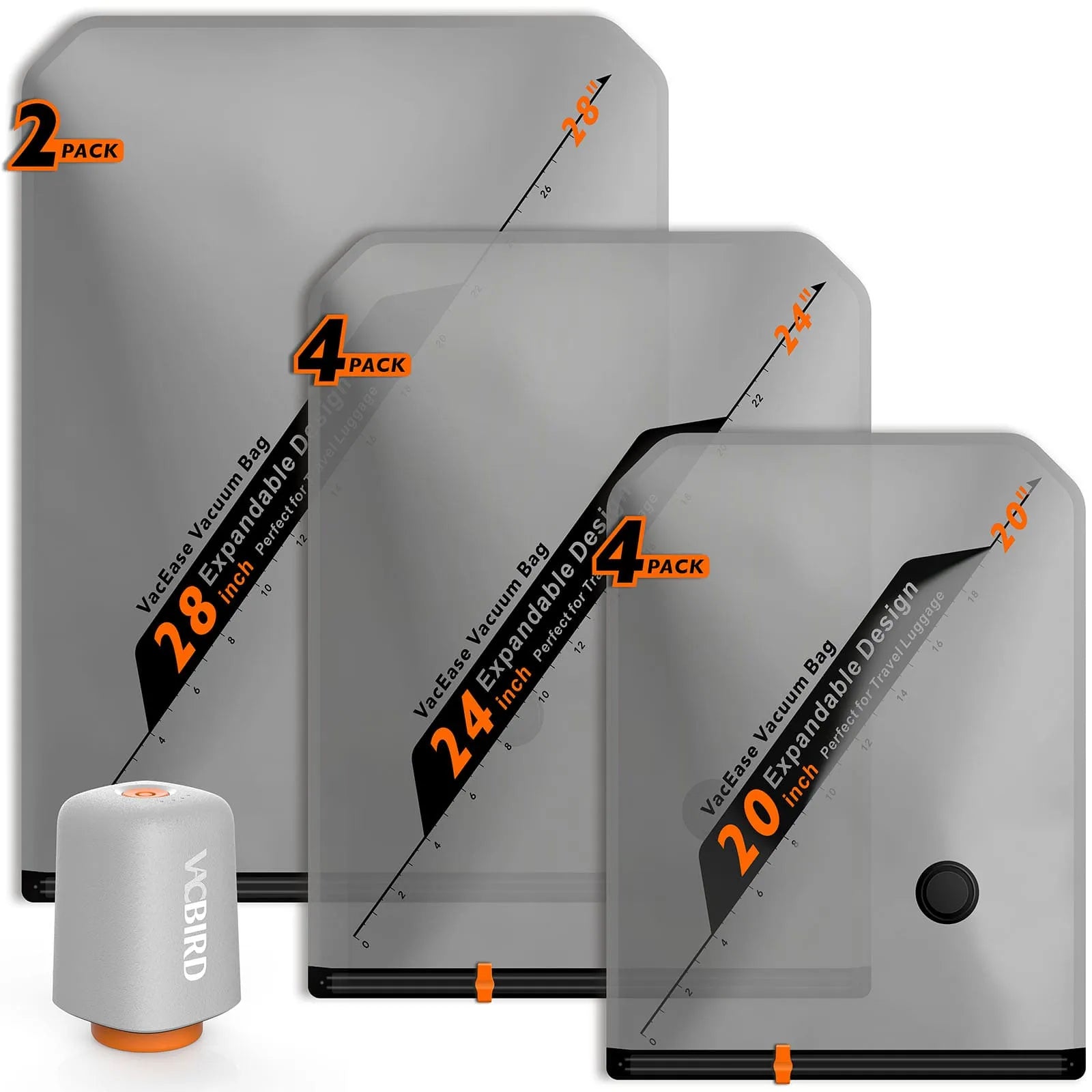
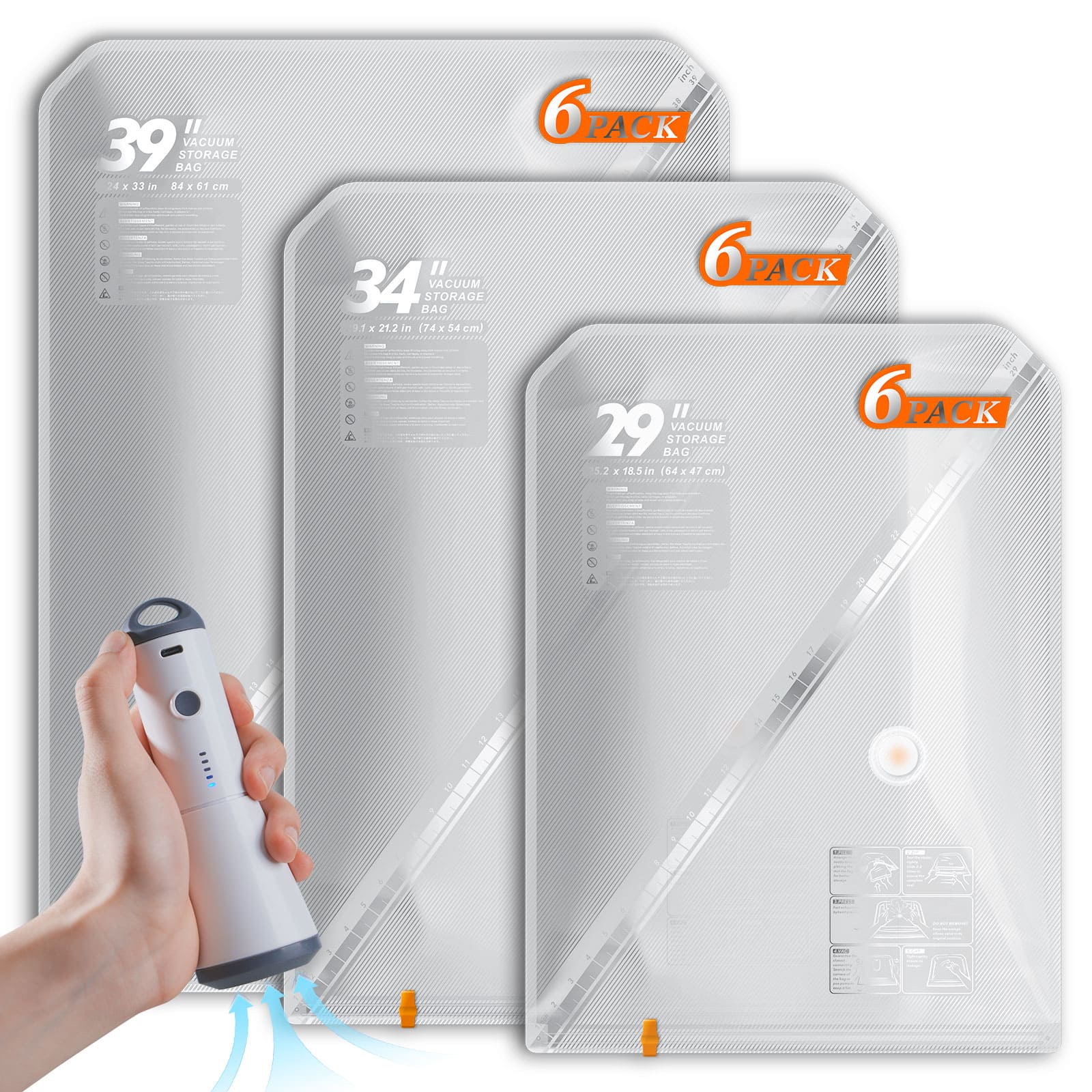
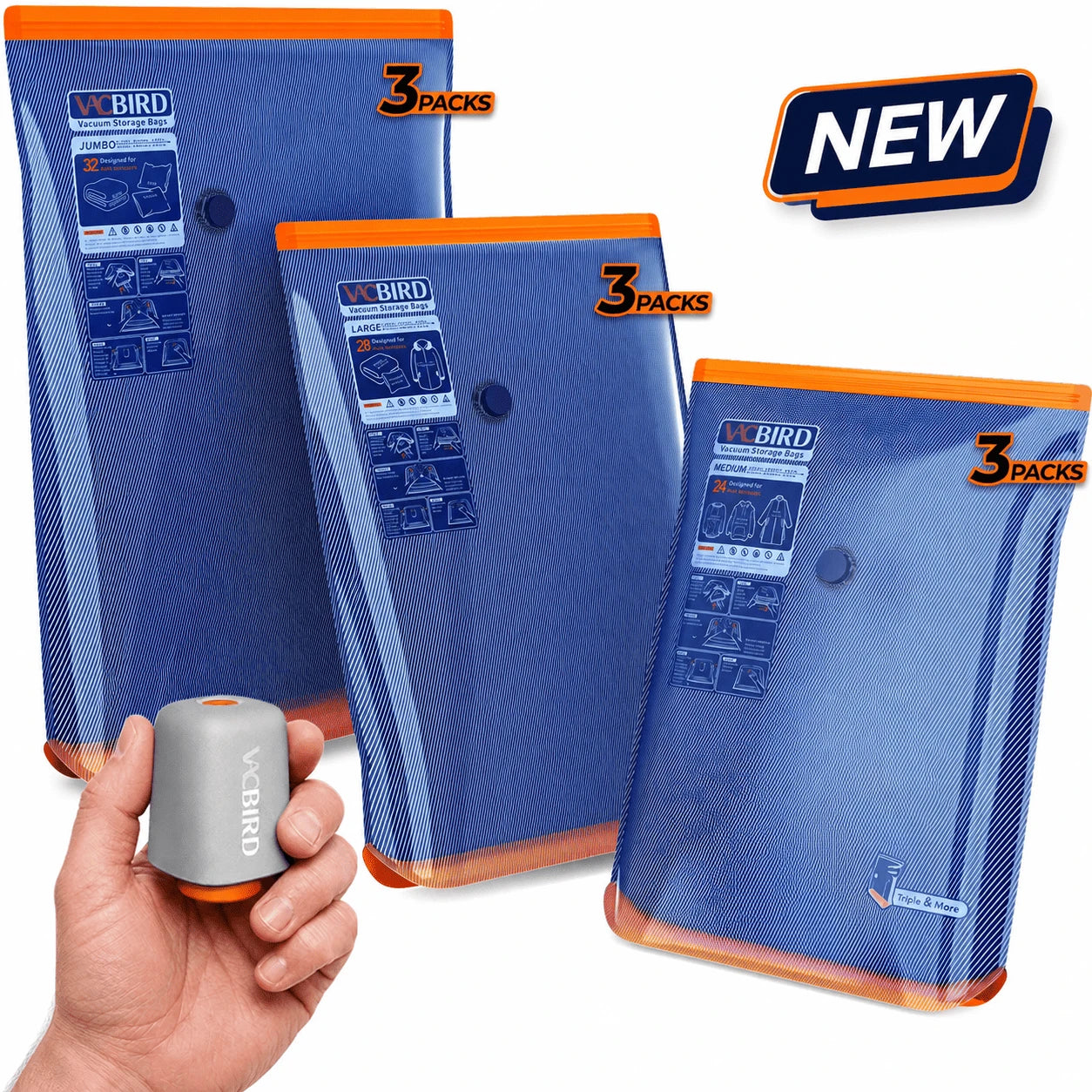
I went with VacBird vacuum storage bags because cheap bags had failed me before. These felt thicker and more durable. The double-zip design gave me confidence that air would not creep back in over time. I folded each item carefully to avoid sharp creases and left just enough space near the valve for proper suction.
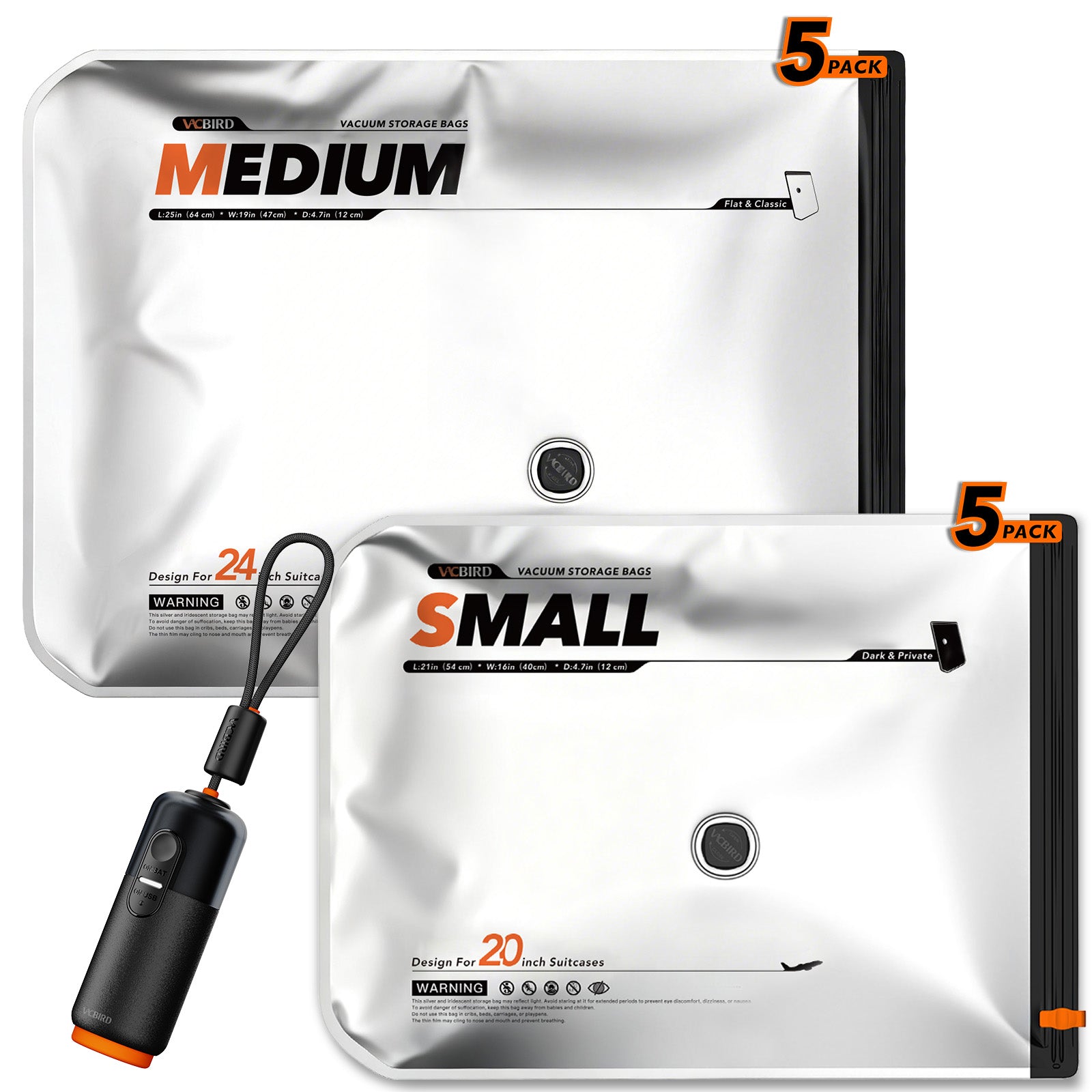
Using the VacBird electric pump made the air removal process quick and simple. The USB-C charging saves me from using any other bulky tool or manually doing everything by hand. The pump removed air in about 10 to 20 seconds per bag.
I stacked the compressed bundles under my bed, completely out of sight. The storage conditions were cool and dry, which experts say is essential for long-term vacuum storage.
What I Found During Unboxing After 365 Days
Opening those bags after a full year felt like unwrapping a time capsule. I grabbed the first VacBird bag. A large one packed with winter coats. I carefully unsealed it. The moment air rushed in, I heard that satisfying hiss. As the fabric expanded, I examined every inch.
The coats looked nearly perfect. I found no musty smell and no discoloration. Minimal wrinkles were there only; that’s not stressful. I checked the smaller bags next. One had sweaters, and another had bed linens. The sweaters had flattened significantly. But after a few hours of hanging, they regained their shape. The bed linens emerged crisp and ready to use.
What impressed me most was how well the VacBird vacuum bags held their seal. Not a single bag had leaked air during the entire year. That meant my clothes stayed protected from dust, pests and humidity for twelve full months. The airtight barrier prevented moisture from getting in and saved everything fresh.
How Different Fabrics Performed
|
Fabric Type |
Condition After 1 Year |
Time to Regain Shape |
Recommended Max Storage |
|
Wool sweaters |
Slightly flattened, no odor |
1 to 2 days |
8 months |
|
Down jackets |
Flattened, puffed back well |
4 to 6 hours |
6 months |
|
Cotton linens |
Crisp, minimal wrinkles |
2 to 3 hours |
12 months |
|
Denim jeans |
Virtually unchanged |
0 to 1 hour |
12 months+ |
|
Polyester synthetics |
Perfect condition |
No time needed |
12 months+ |
|
Silk blouses |
Short term storage |
N/A |
3 months max |
Do Vacuum Bags Actually Damage Fabrics?
That question haunted me too much as I was going to experiment with some of my favorite items. But I needed an answer. Would my clothes come out destroyed? After a full year of waiting, I finally had my answer.
I inspected every single item carefully. Here are some results.
Natural Fibers Like Wool and Cotton
These handled compression better than I expected. My wool sweaters looked flat when they first came out. But after hanging for a day, they fluffed back to normal. Experts say natural fibers lose some loft under extended pressure. I did not see major damage, though.
Down Jackets and Bulky Coats
These were compressed down to almost nothing inside the VacBird vacuum storage bags. When I opened them, they puffed back up within a few hours. No permanent flattening and weird creases. But I would not push down items past six months. The insulation can lose its warmth over time.
Synthetics and Denim
These were the real winners. I found zero wrinkles and zero shape distortion. My jeans came out looking exactly like they did the day I packed them. Textile experts claim that synthetics handle vacuum storage best.
Fabrics for Short Term Storage
Some materials should never go in vacuum bags for long periods. I prefer to store them for a few weeks or during travel to save them from moisture and bugs, and of course, for space saving. Such fabrics for short term storage are silk, leather and cashmere.
Moisture Problems
Trapped humidity is your biggest enemy. It favors the development of mildew and mold. I made sure everything was bone dry before sealing. That trick saved me. Experts recommend throwing a silica gel pack inside each bag for extra safety.
How Long Is Too Long for Storage?
As per experts, six to twelve months is the sweet spot. Anything longer and you risk damaging delicate fabrics. Open the bags every few months to let things breathe. Then reseal if you need more storage time.
Common Storage Mistakes to Avoid
My early mistakes are enough for you to learn how to plan your own long term storage. Here are the biggest pitfalls I discovered.
Overfilling the Bags
I initially tried cramming too many items into one bag. That strained the seal and made it harder to remove all the air. The VacBird bags have clear fill lines. Follow them.
Incomplete Zipper Closure
This is a sneaky one. You think you sealed it properly. But a tiny gap dodges you and allows air to creep back in. I use the slider clip to double-check the seal, which prevents slow leaks.
Storing in Damp or Extreme-Temperature Areas
I never prefer basements and attics. They are risky because of the temperature fluctuations that happen there. These fluctuations condense the moisture you accidentally trap in the bags. You have the best vacuum storage bags, yet they still can't protect against that kind of moisture; only your packing habit can.
Ignoring Periodic Checks
Do not just seal and forget. Every few months, give the bags a gentle press. If they have lost firmness, air is getting in. You will need to reseal them.
Not Labeling Bags by Contents and Season
Seems like a simple looking mistake creates a lot of mess. I started labeling mine with the season and general contents. That helped me find what I needed without opening everything.
My quick checklist:
- Wash and dry everything completely
- Fold neatly without sharp creases
- Do not overfill past the marked line
- Double-check the zipper seal
- Store in a cool and dry place
- Check bags every 2 to 3 months
- Label each bag clearly
- Open and air out clothes every 6 months
Are Vacuum Storage Bags Worth It for One Year?
Absolutely yes. And that’s based on my experiment. Vacuum bags transformed my cluttered closet into an organized space without sacrificing the quality of my clothes.
The practical benefits were clear. Underbed storage freed up wardrobe space for everyday items. My clothes were clean, dry and wrinkle free when they came out. That was a far cry from the dust-covered mess they would have been in traditional bins.
Why quality matters. The VacBird bags and pump system made the entire process effortless. The pump's USB-C charging is efficient and removes all air from the bags within just seconds. It requires no manual effort, no energy to attach the hose to the valve; everything is smooth and seamless.
The bags' durability ensured I could reuse them next season.
Compared to Traditional Storage Methods
The comparison to traditional storage was eye-opening. Cardboard boxes collect dust and invite pests. Plastic bins take up massive amounts of space. Vacuum storage bags solve both problems at once. They protect your clothes and shrink their footprint.
Reusability adds long-term value. Unlike cheap bags that crack or leak after one season, quality space saving bags last for years. My VacBird set is still going strong after multiple uses.
Tired of Bags That Refuse to Stay Sealed? Here is How VacBird Fixes That Pain
To be honest, nothing ruins a storage experiment faster than reaching for a vacuum bag and finding it puffed up as a balloon. I have been there. You seal everything perfectly. Stack it away. Come back weeks later to find your space saving efforts have completely reversed. Air leaked back in. Now you are staring at a bag barely compressed at all.
Frustrated?
Of course.
People mostly complain about vacuum storage bags. But here is what I discovered during my year-long test. The problem is not always the bag. It is often the quality of the bag.
Most cheap vacuum storage bags use a thin and flimsy material that develops tiny holes over time. Their single zip seals do not hold up under pressure. The valves let air sneak back in within days. I learned this the hard way with my first storage attempt years ago.
That is exactly why I switched to VacBird vacuum storage bags for this experiment. Here is what makes them different:
- Double-zip seal design that actually stays closed
- Thick PA+PE material that resists punctures and tears
- One-way valve that prevents air from creeping back in
- Rounded corners that reduce stress points where bags typically split
The VacBird bags with the electric pump deserve a special mention. The TurboX8 pump removes air in 10 to 20 seconds. That means your clothes spend less time under compression stress.
The result? Every single VacBird bag I sealed stayed completely flat for the entire year. No leaks. No puffiness. No disappointment. That is the kind of reliability that makes vacuum storage actually worth the effort.
FAQs
Will vacuum-sealed clothes be wrinkled after a year?
Not really. Most fabrics come out with light wrinkles at most. Heavy coats and linens looked great in my experiment. Sweaters needed a few hours to fluff back up. A quick steam or iron fixes any remaining creases.
Can I store clothes in vacuum bags for more than one year?
You, it’s possible. Yet I would not push it past two years without checking. Open the bags every few months to allow fabrics to breathe. Quality bags like VacBird hold up well, but periodic checks keep your clothes safe.
What type of vacuum pump should I use?
Electric pumps save you so much hassle. The one that comes with the VacBird bags works fast and runs on USB-C charging. It requires no manual effort to remove air, as it's a small-sized, lightweight, handy pump that even children, seniors, and disabled people can easily use.
Conclusion
After waiting a full year, I can honestly say vacuum storage bags delivered on their promise. My clothes came out clean and intact with no visible damage. Quality bags like VacBird made this experiment successful. Just prep everything properly and store it in a cool, dry spot. The space you save makes it completely worth it.