I didn’t switch to one bag travel overnight. I started with a suitcase like most people, which was always just a little too full, extra clothes with backup shoes and things I thought I might need but never actually used. Over time, carrying all of that started to feel unnecessary. Not just heavy, but limiting.
So I began reducing. First, a few items, then entire categories. I reached a point eventually where everything I needed fit into a single backpack. The best thing is that it's practical in real travel situations.
This setup has now been tested across different types of trips: warm climates, colder evenings, long transit days, and places where convenience matters more than comfort. What I’ve learned is simple—packing less isn’t the goal. Packing better is.
This guide is my current one-bag system for 2026. It’s built for flexibility, ease of movement and everyday practicality, not just for short vacations, but for actual travel.
TL;DR: The Core Principles
If you only take a few things from this guide, focus on this:
- Use a 30–35L backpack as your only main bag, prefer a square-shaped one with a big space for organization
- Keep a small sling for important stuff you always carry
- Build a clothing capsule, not packing outfits
- Choose lightweight and quick dry fabrics
- Use vacuum storage bags to compress and organize clothes
- Carry minimal and replaceable toiletries
- Wash clothes during travel instead of overpacking, or use vacuum bags to pack them separately and compressed
- Limit yourself to one or two pairs of shoes
Everything else you carry must be based on these basics.
My Packing System
The biggest shift for me wasn’t reducing items—it was creating a system.
My backpack isn’t just storage. It’s my closet, my organization system and my daily carry all in one. That means everything inside it needs to be easy to access, easy to repack, and structured in a way that doesn’t fall apart after a few days.
I don’t fully unpack when I arrive somewhere. My clothes stay organized inside my bag, and I only take out what I need. This saves time and keeps things consistent.
The most important upgrades to this system has been switching from loose packing to compression—specifically using vacuum storage bags. Instead of stacking clothes and hoping they fit, I compress them into defined sections that take up significantly less space and stay organized throughout the trip.
Packs (2)
Main Backpack (30–35L)
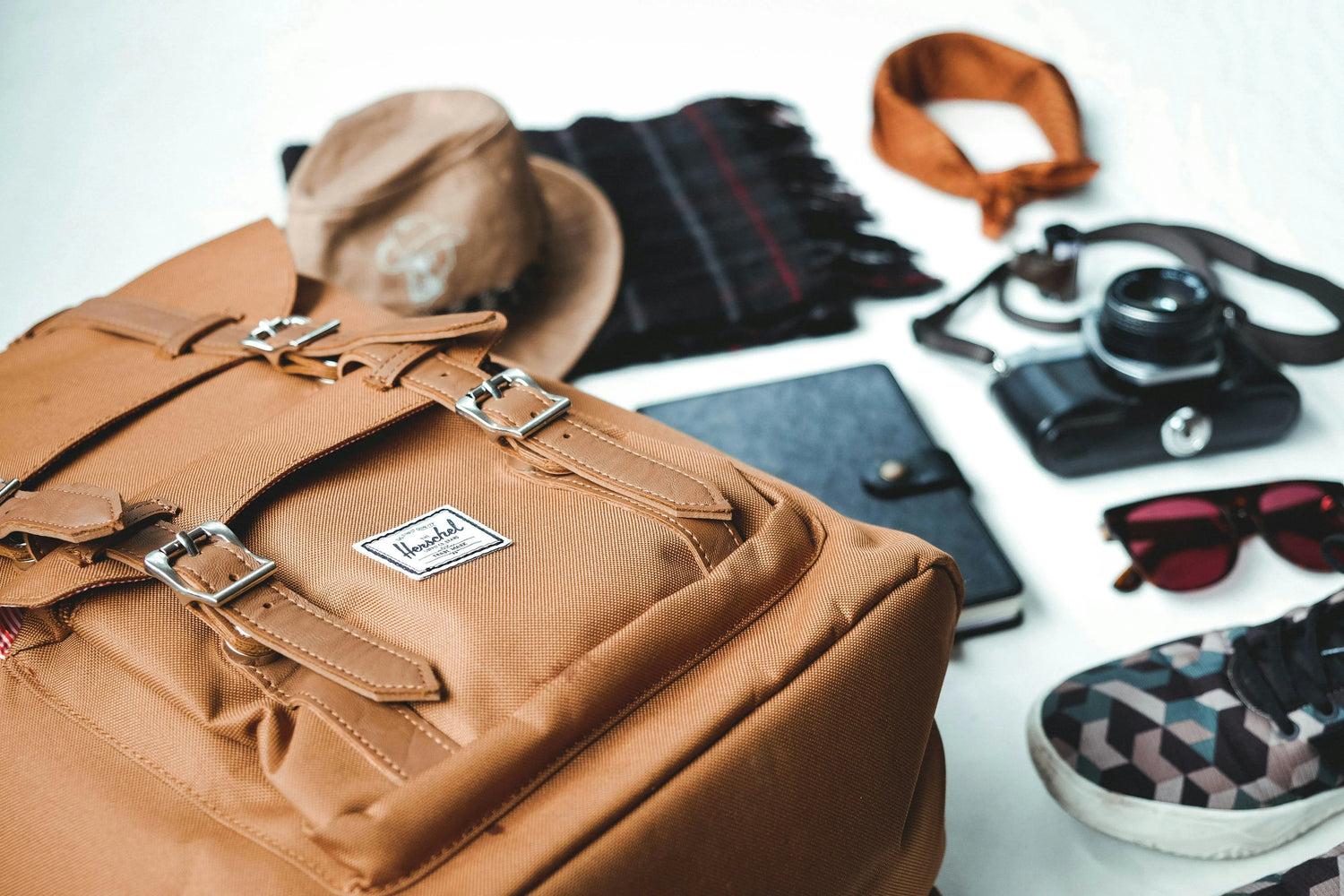
This is your entire setup. The ideal backpack is one that makes you feel comfortable carrying something even for a whole day. You should not need a bulky travel bag that becomes a burden.
Look for:
- A structured shape (so items stack well inside)
- Comfortable shoulder straps
- Enough internal organization without overcomplication
The chances of overpacking increase when you have a big bag. An extra small one wouldn't allow for packing all important stuff. Around 30L is the balance that works for most trips.
Essentials Sling (Small, Secure)
This is what stays with you at all times.
Instead of constantly opening your main bag for important items, you keep them in one place:
- Passport
- Wallet
- Phone
- Earbuds
- Charging cable
It simplifies airports, public transport, and daily movement.
Organization & Space Optimization
I can’t tolerate if any traveler around me neglects this part, like, who doesn’t want an easy and safe travel with no worries?
Most packing systems fail at this point because people focus on what to pack rather than on the process or strategy for packing them.
Do you know loose clothing takes up more space than necessary? It shifts around, wrinkles, and makes your bag harder to manage. Structured packing fixes that.
Vacuum Storage Bags (Core Focus)
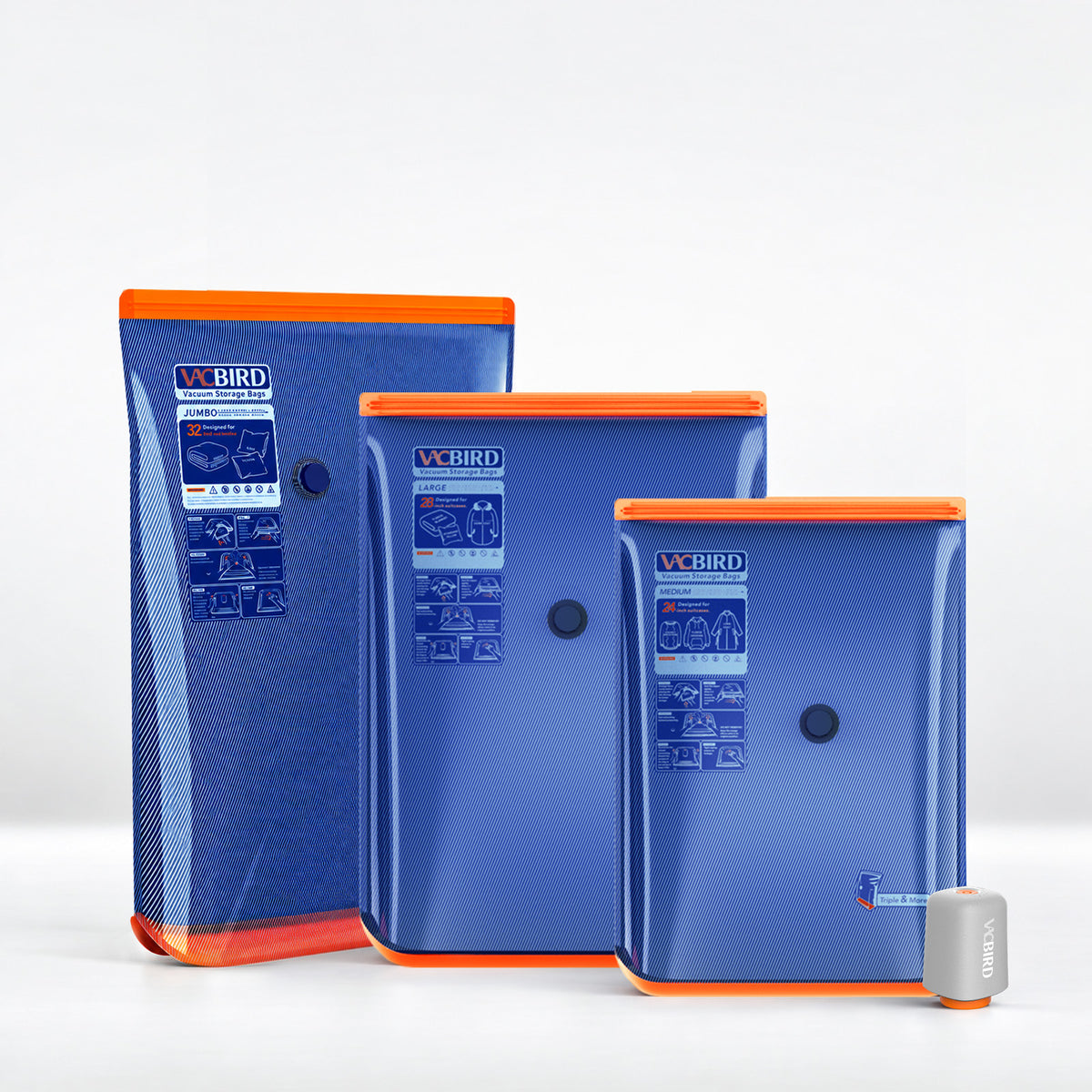
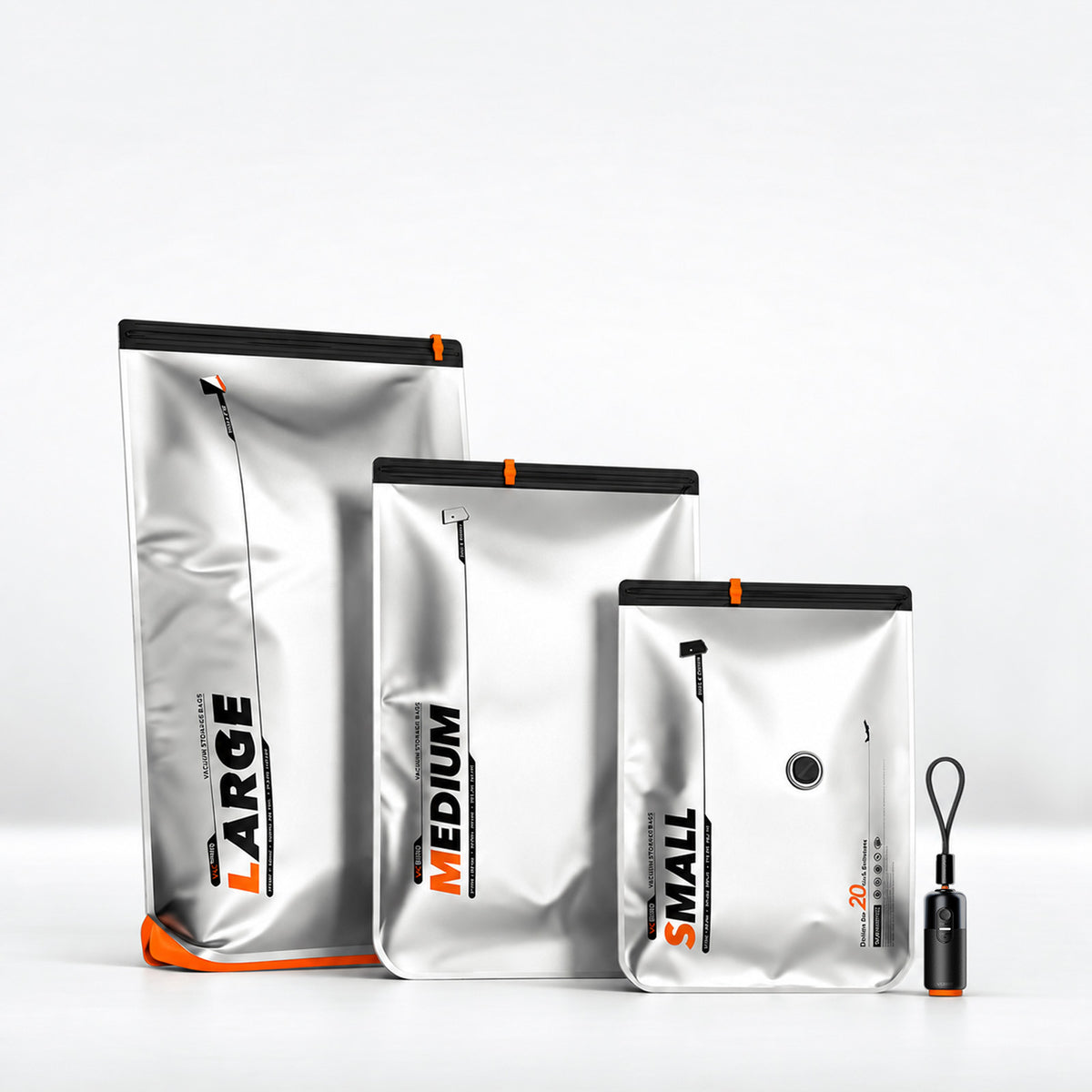
The first thing that brings organization and easy packing with space optimization is a vacuum storage bag. This is the biggest difference maker in my current setup.
I use vacuum storage bags to compress my clothes rather than stacking them. Jackets, sweatshirts and even multiple-layer types of bulkier items shrink down significantly when air is removed.
The benefits are immediate:
- More usable space inside your backpack
- Cleaner, more structured packing layout
- Transparent surface helps in the easy finding of items
- Easier separation between clothing categories
- Protection from moisture, dust or odors
This is especially useful for one-bag travel because space is limited. You don’t have room for inefficiency.
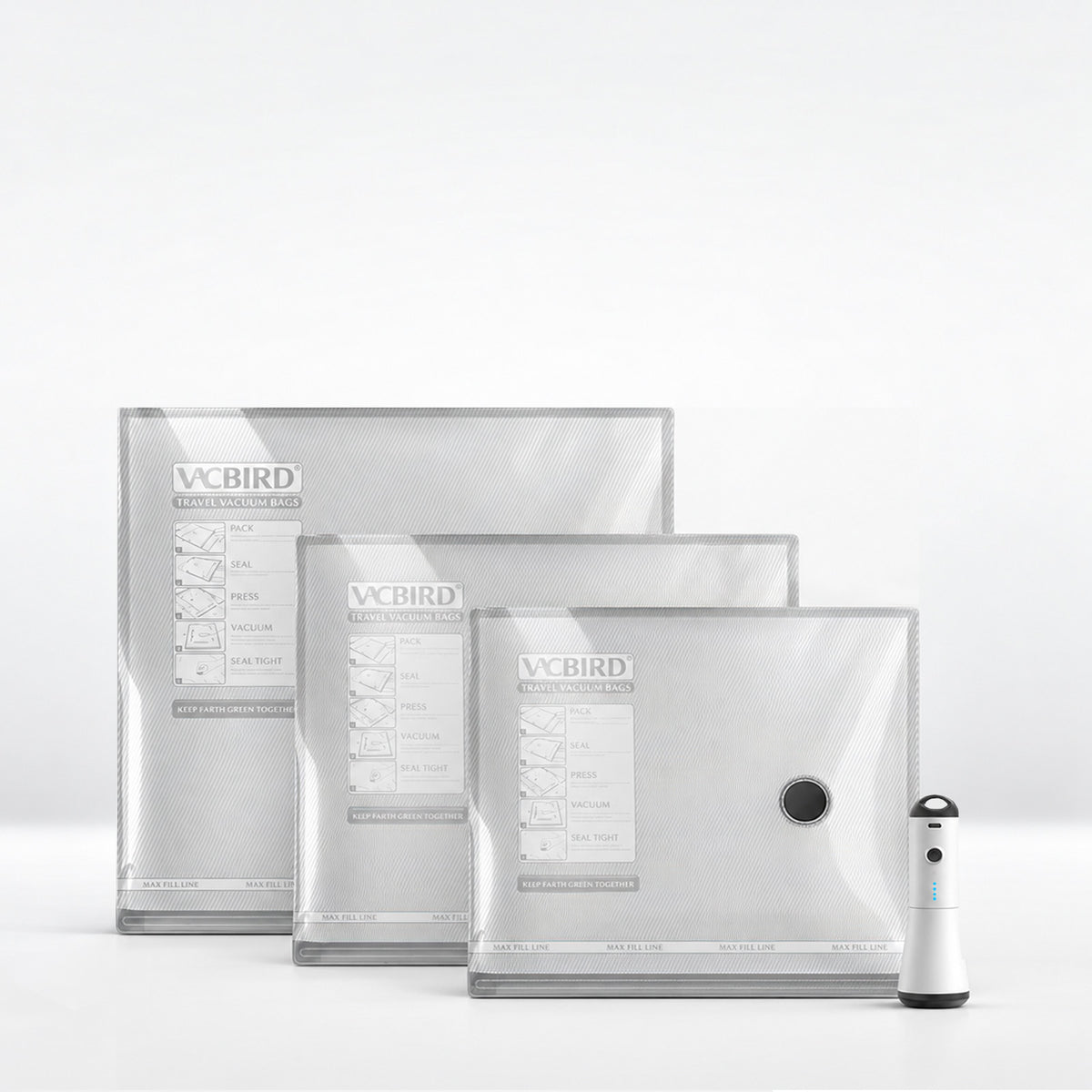
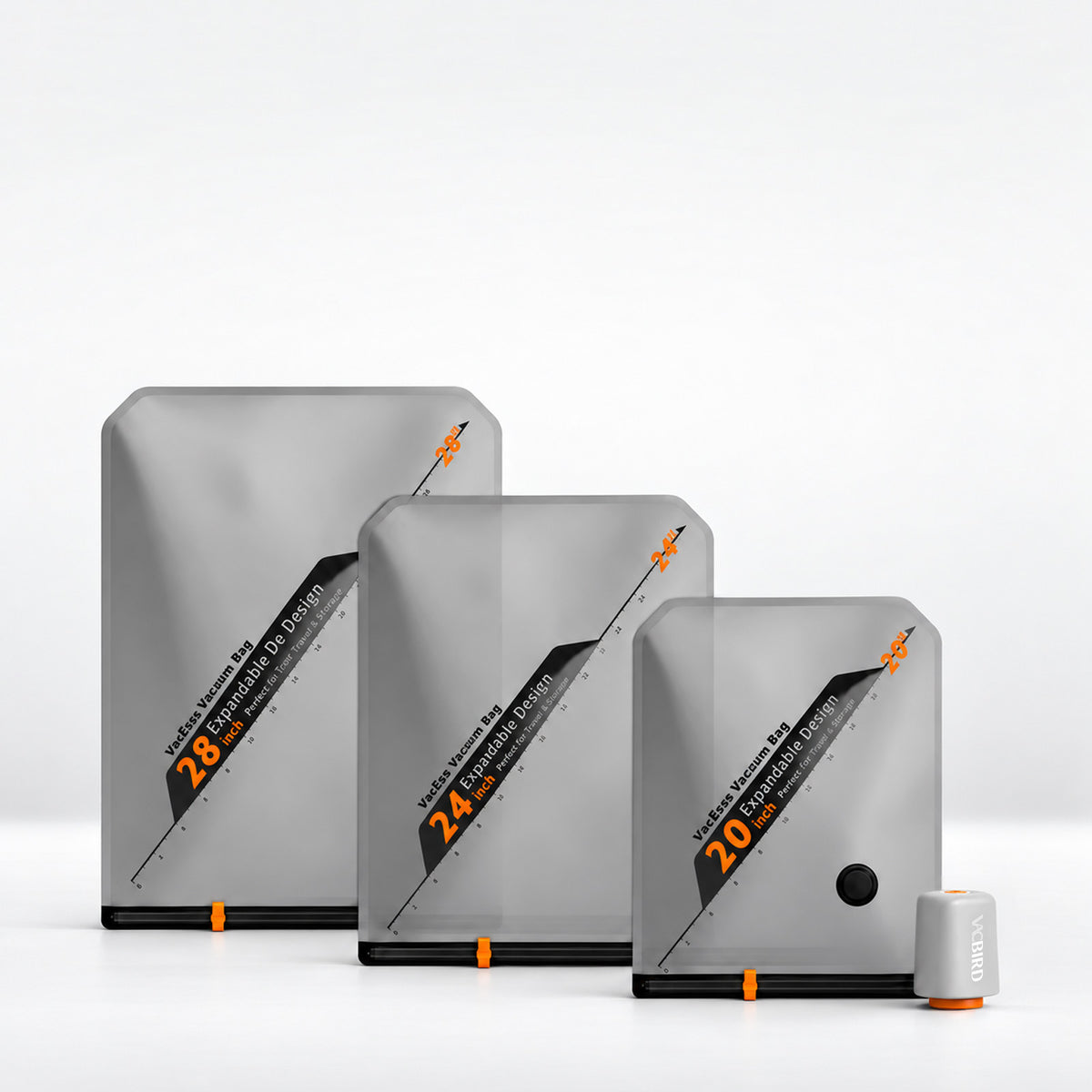
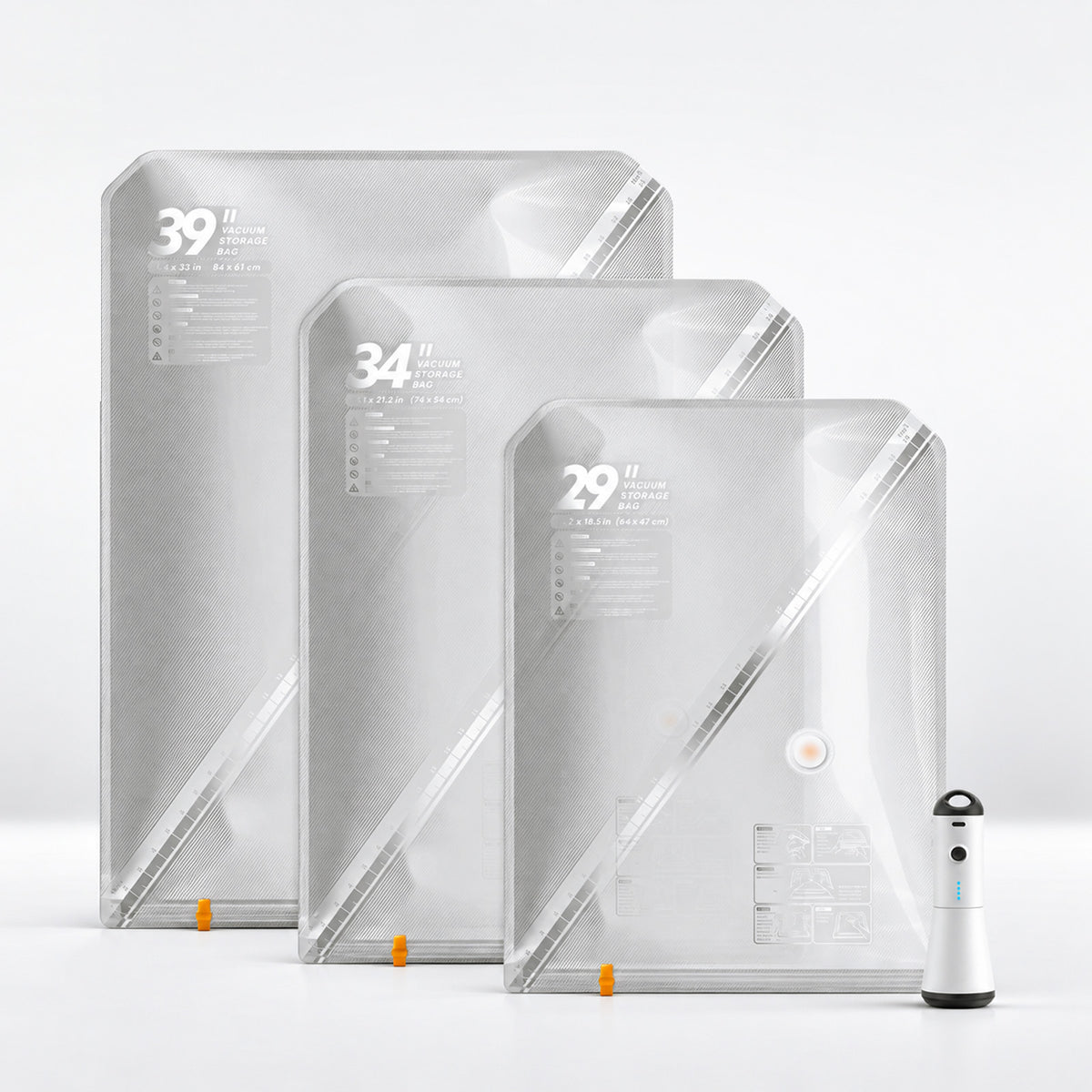
A reliable option like VacBird vacuum storage bags works well here because they’re designed for repeated travel use and don’t require heavy equipment. They’re simple, practical, and fit naturally into a minimalist packing system.
Packing Cubes
They are useful, but optional to pick when you already have vacuum storage bags. They still play a role, especially for organizing smaller clothing items like socks or underlayers.
But on their own, they don’t reduce volume significantly. When combined with vacuum storage bags, they create a more complete system:
- Vacuum bags for compression
- Cubes for categorization
Toiletry Pouch
Keep all liquids and personal care items in one compact pouch. Ideally, something transparent or easy to open for airport checks. Avoid carrying full-size products. Travel sized items are easier to manage and replace when needed.
Clothing Capsule (4-Season Travel)
I didn’t like carrying more items during traveling. The urge to keep everything important with me resulted in a lot of stuff in my luggage. Then I changed my mind and my habit. I now pack for flexibility instead of packing for specific outfits. Everything follows three rules:
- Neutral colors (so everything matches)
- Lightweight materials (easy to pack and wear)
- Multi-purpose use (casual, active, or slightly dressed up)
This allows a small number of items to create multiple combinations.
Bottoms (4–5)
- 1× Lightweight pants (comfortable enough for travel, presentable enough for public spaces)
- 1× Leggings or flexible bottoms
- 1× Everyday shorts
- 1× Athletic shorts
These cover movement, comfort, and different climates without overpacking.
Tops (4–5)
- 2× T-shirts (breathable, quick-dry)
- 1× Tank top (for layering or warm weather)
- 1× Long-sleeve (lightweight)
- 1× Warm layer (sweatshirt or similar)
Each piece should work across multiple situations, not just one.
Outerwear (2)
- 1× Insulated jacket (packable)
- 1× Windbreaker or light shell
Outerwear is usually the bulkiest part of your packing list, but it causes no issue when you have vacuum storage bags for compressed packing. Compressing these items frees up a surprising amount of space.
Underlayers
- 3–4× Socks
- 5–7× Underwear
- 2–3× essential innerwear
Quick dry fabrics make it easy to wash and reuse items without carrying too many.
Footwear (2)
- 1× Versatile sneakers (walking, travel, light activity)
- 1× Sandals or flip flops
Shoes take up a lot of space, and keeping them minimal helps you pack less.
Toiletries (Keep It Simple)
I carry enough for a couple of weeks—nothing more. Everything else can be replaced during the trip.
Essentials
- Toothbrush + toothpaste
- Travel-size skincare items
- Sunscreen
Optional
- Minimal makeup
- Personal grooming tools
Keeping this section minimal ensures it doesn’t take over your bag.
Tech & Daily Essentials
Tech should support your travel, not complicate it.
Core Items
- Phone
- Charger
- Portable power bank
Optional Additions
- Laptop or tablet
- Universal travel adapter
- Charging cables
All tech items should fit into one small pouch to avoid clutter.
Portable Laundry System
Laundry is what makes one-bag travel sustainable long-term. Instead of packing more clothes, you wash what you have.
Basic Setup
- Compact wash method (sink or portable bag)
- Travel detergent (sheets or small packs)
- Lightweight clothesline
Washing smaller loads regularly brushes off the worry of carrying more stuff. You can even pack your laundry in separate vacuum bag when you are traveling and have no place or time to wash it. This saves your fresh clothes from getting ruined.
Why Vacuum Storage Bags Are Worth It
If there’s one upgrade that makes the biggest difference in a one-bag setup, it’s compression.
Without it, you’re limited by space. Bulky items take over your bag, and organization becomes harder to maintain.
With vacuum storage bags:
- You maximize every inch of space
- You keep your bag structured and manageable
- You reduce the need to overpack
They don’t just help you fit more—they help you pack smarter.
Using something like VacBird vacuum storage bags makes this process easier because they’re designed for portability and repeated use, which fits naturally into a travel-focused setup. Their vacuum sets offer
- Airtight seal technology keeps items safe from moisture, dust and odors
- High compression capability saves up to 80 percent of storage space
- Durable multi layer material prevents tears and extends lifespan
- The electric vacuum pump makes sealing fast and effortless
- Offers electric and cordless, USB powered options for flexibility
- Reusable design reduces cost and environmental waste
- Multiple bag sizes fit clothes, bedding and bulky items
- Travel friendly design maximizes luggage space
- Transparent bags allow easy identification of contents
- Leak proof valve system keeps bags compressed for long periods
FAQs
1. What size bag actually works for one-bag travel?
Around 30–35L is the sweet spot. It’s big enough to carry what you need for a trip. It is an average small size that's enough so you don’t end up stuffing it with things you won’t use.
2. Do vacuum storage bags really make a difference when packing?
They do, especially for bulkier clothes. Jackets, hoodies and extra layers take up way less space once compressed. Your bag feels a lot more manageable.
3. How do people manage long trips with just one bag?
Mostly by keeping things simple—fewer clothes, better fabrics, and doing small laundry loads along the way. Once you stop packing “just in case” items, everything fits much easier.
Conclusion
This system isn’t about strict rules or minimalism. It’s about creating a setup that works in real travel situations. It helps when you think convenience, flexibility and efficiency matter most.
Packing becomes faster once everything has a place and purpose. It makes movement easier and travel feels less like managing your belongings and more like experiencing where you are.
That’s the real advantage of one-bag travel. Not just carrying less—but carrying better.