I used to keep my spare bedding in the closet. It sounded simple until I needed room for clothes. One thick comforter could take up a whole shelf. Add two pillows and a few blankets, and suddenly the closet looked full again.
I started considering underbed storage at the time differently. I had plenty of empty room there. The problem came down to the size of the bedding. Folding a comforter only gets you so far. I started using vacuum seal bags for bedding to shrink bulky pieces before putting them under the bed.
That small change gave me a much better storage system. You can do the same with guest bedding and seasonal blankets. You just need to prepare the bedding properly and choose bags that fit the space.
Why Does Spare Bedding Take Up So Much Room?
Spare bedding takes up more room than most people expect. A comforter looks harmless when you use it. You will clearly observe the space your bedding needs after folding it and putting it in a closet.
Pillows create the same problem. Blankets also take up a surprising amount of shelf space. You may start with one spare set for guests. A winter quilt and a few extra sheets can soon turn that small pile into a storage problem.
I learned that regular folding did not solve the real issue. It only changed the shape of the bedding. The material still kept most of its volume.
The better answer came when I started separating bedding by how often I used it.
I keep everyday sheets and blankets where I can reach them quickly. Guest bedding goes into its own storage space. Heavy winter bedding gets packed away when warm weather arrives.
That simple split makes a big difference.
The Space Under Your Bed Can Hold More Than You Think
Look under your bed before buying another storage box. You may have a wide and shallow area that sits empty for most of the year.
That space works well for bedding you do not need every day. You do not have to keep pulling it out each morning. You only need access when guests arrive or the season changes.
Loose bedding does not work well under a bed. Dust can collect around it, and the fabric can pick up dirt. A sealed storage bag gives you a cleaner way to use that hidden space.
The trick comes down to one thing. Compress bulky bedding before you store it under the bed.
How Do You Turn The Space Under Your Bed Into Bedding Storage?
This became my favorite part of the whole setup. I stopped trying to squeeze large comforters into small spaces. Instead, I prepared each piece before storage.
Here is the method I use.
1. Start With Clean And Completely Dry Bedding
Never pack bedding right after washing it if any moisture remains. Give sheets, blankets, pillows, and comforters enough time to dry fully.
This matters even more when you plan to store bedding for several months. Trapped moisture can create an unpleasant smell and may damage fabric over time.
I also check the care label before packing anything. Some bedding needs special care, and some delicate materials may not suit compression.
2. Keep Complete Sets Together
I used to throw spare sheets into one pile and hunt for matching pieces later. That wasted time.
Now I group each set before storage.
You can create groups such as:
- Guest bedding
- Winter comforters
- Spare blankets
- Pillow sets
- Extra sheets
Keep the matching pieces together. You will thank yourself when guests arrive, and you need everything quickly.
3. Pick The Right Bag Size
This step matters more than I first thought. A large comforter needs more room than a few folded sweaters.
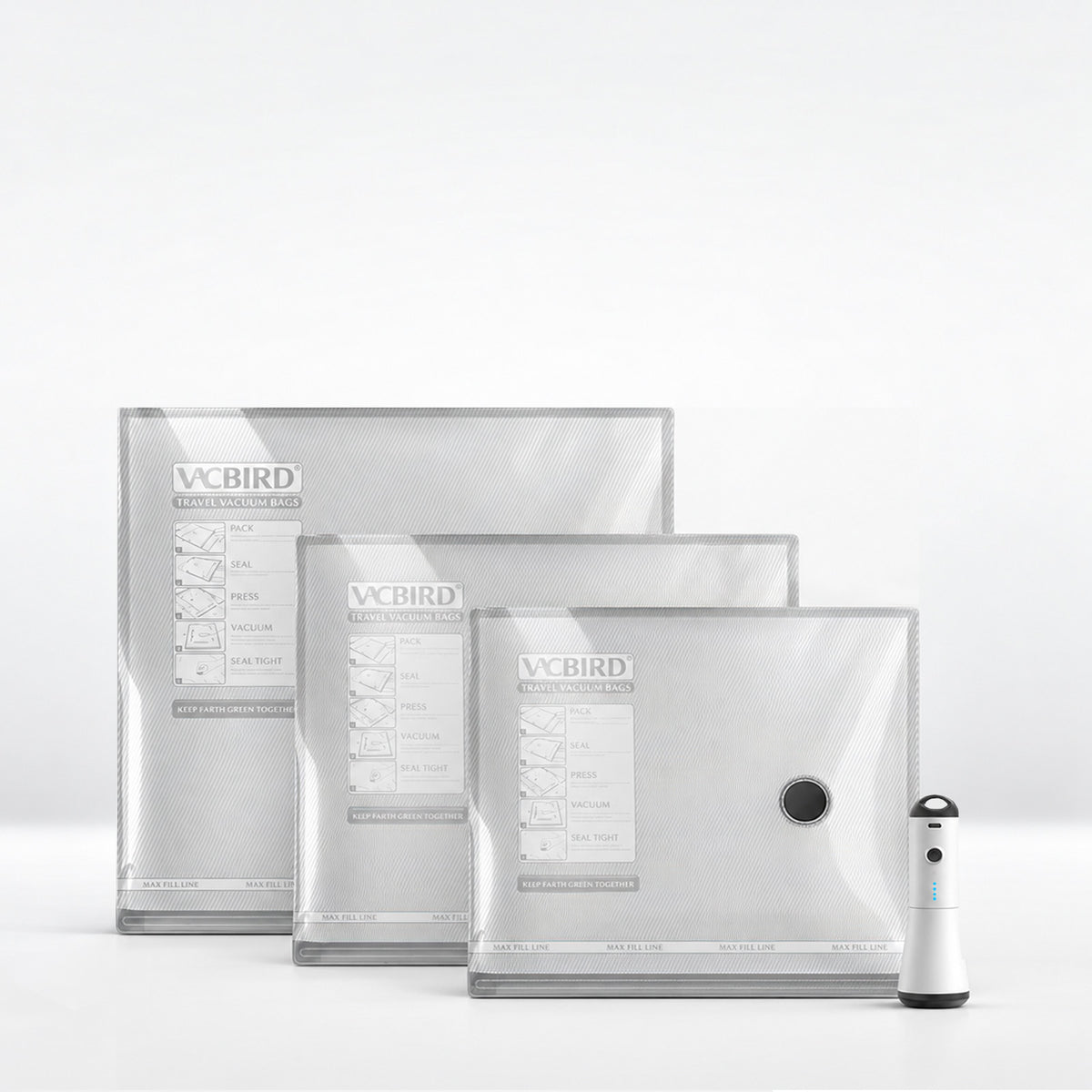
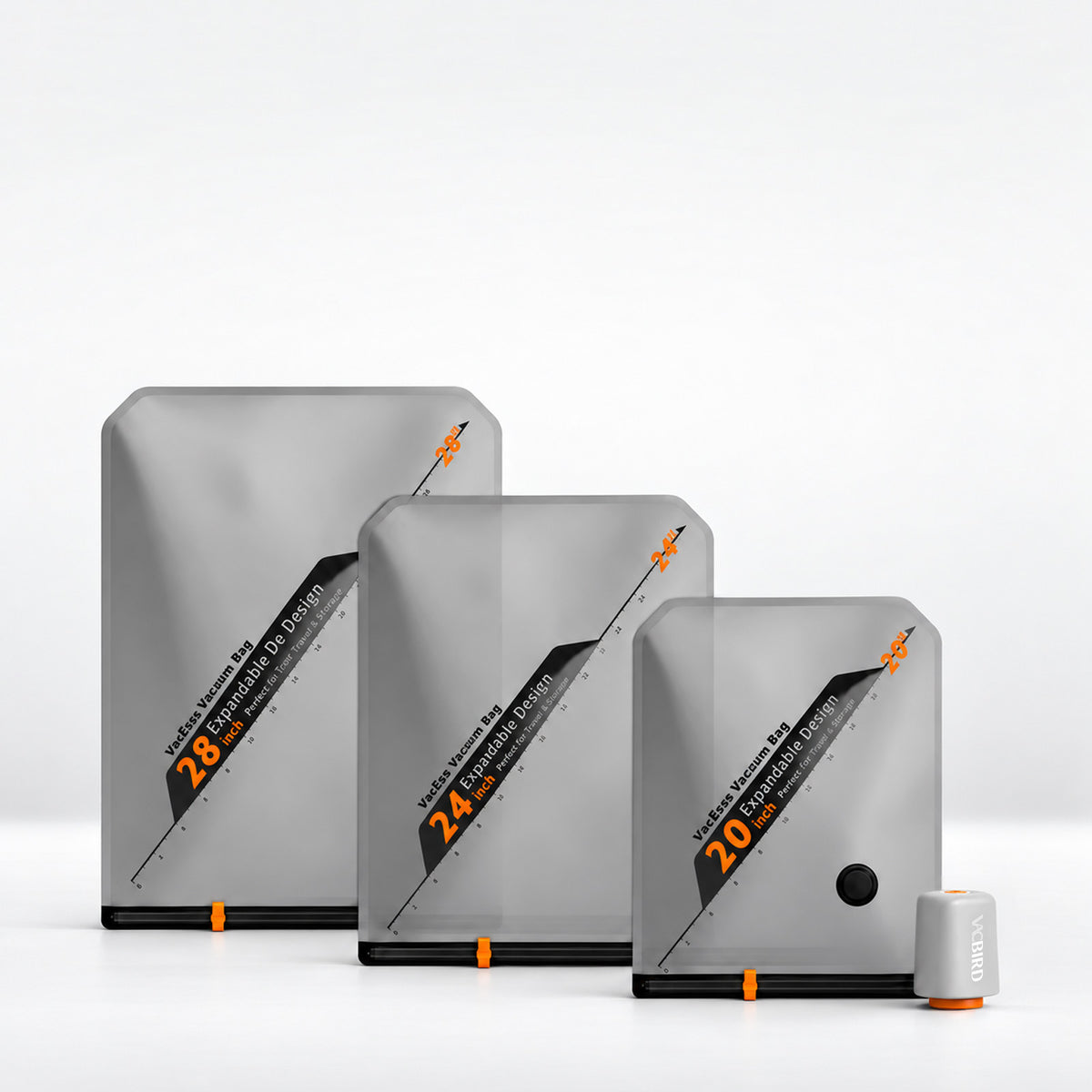
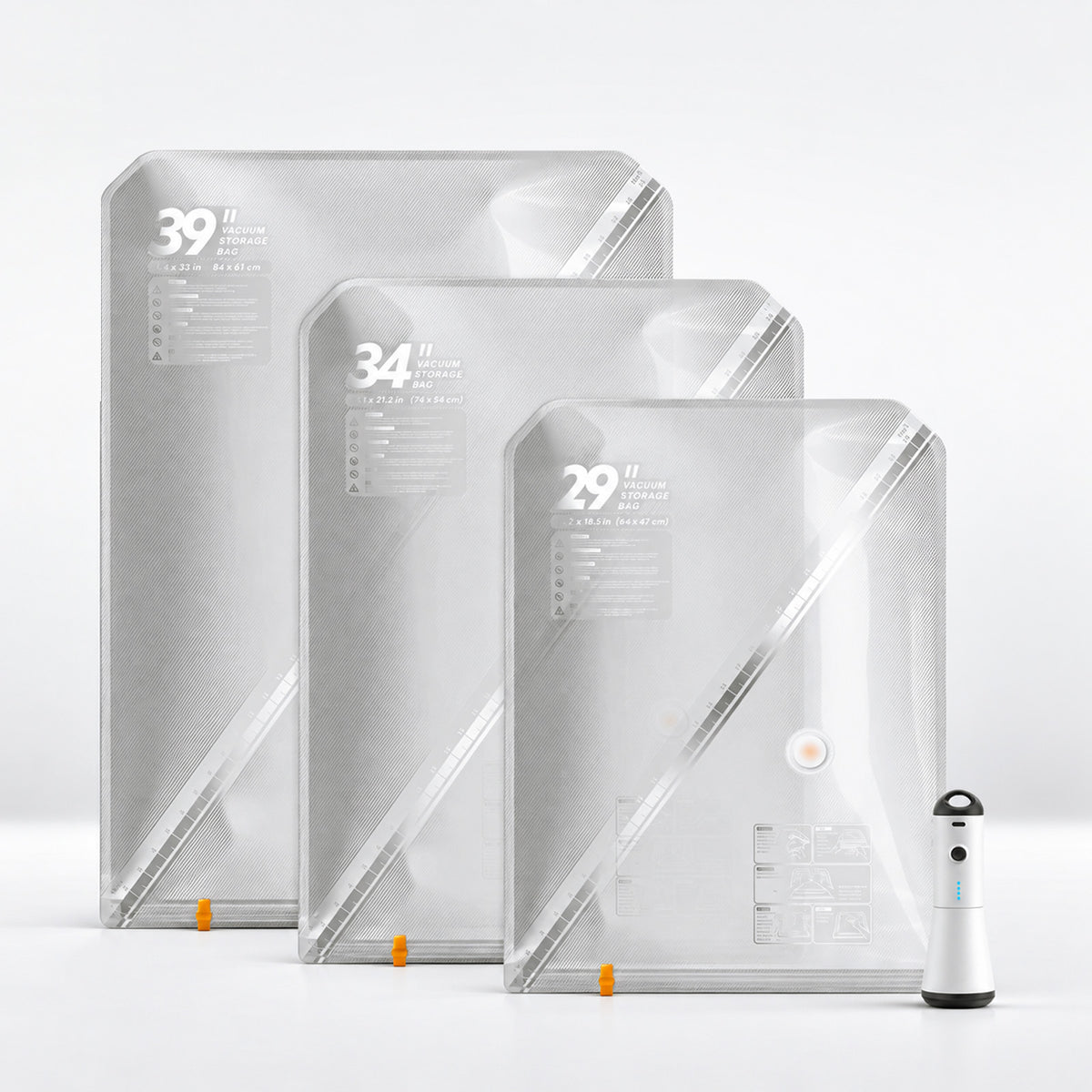
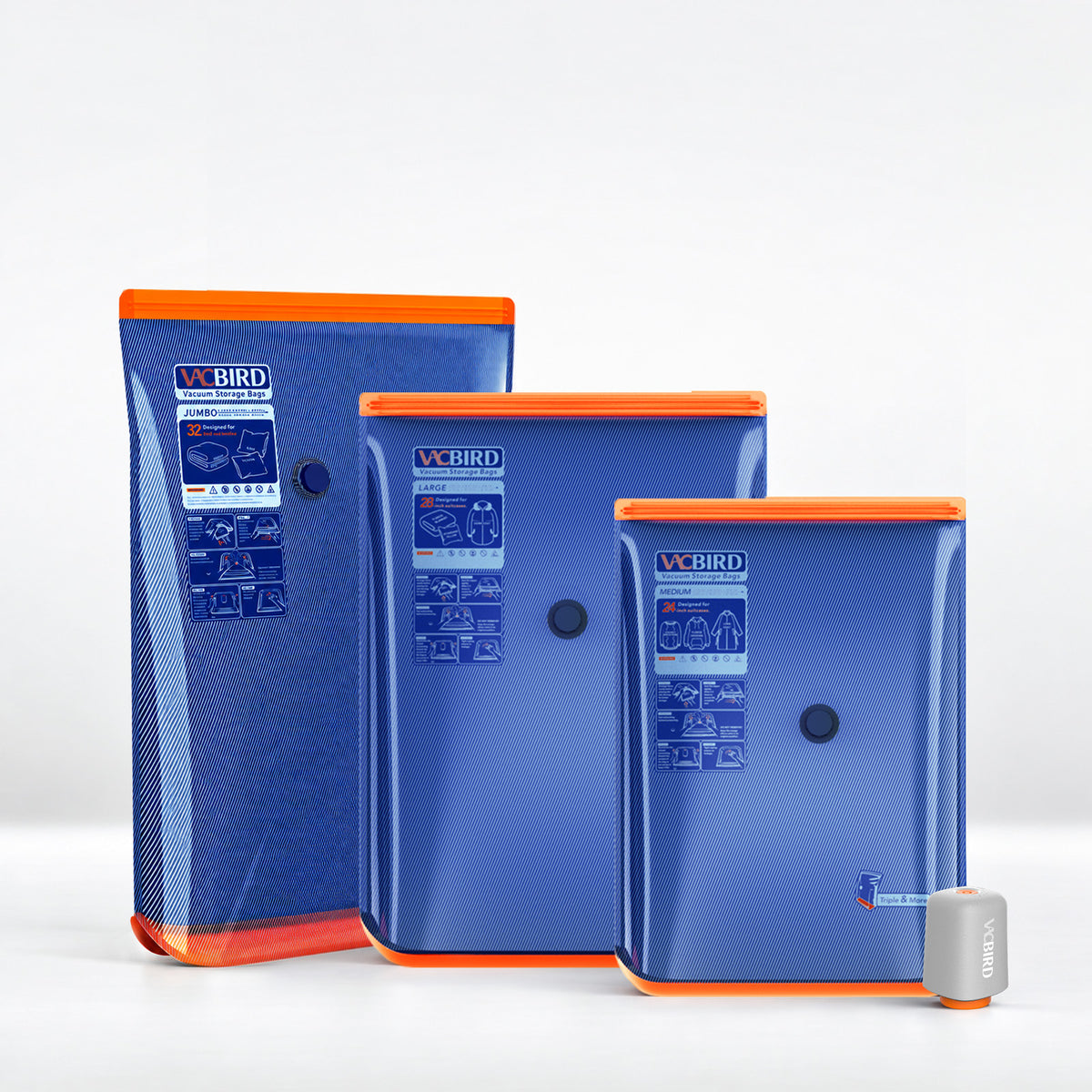
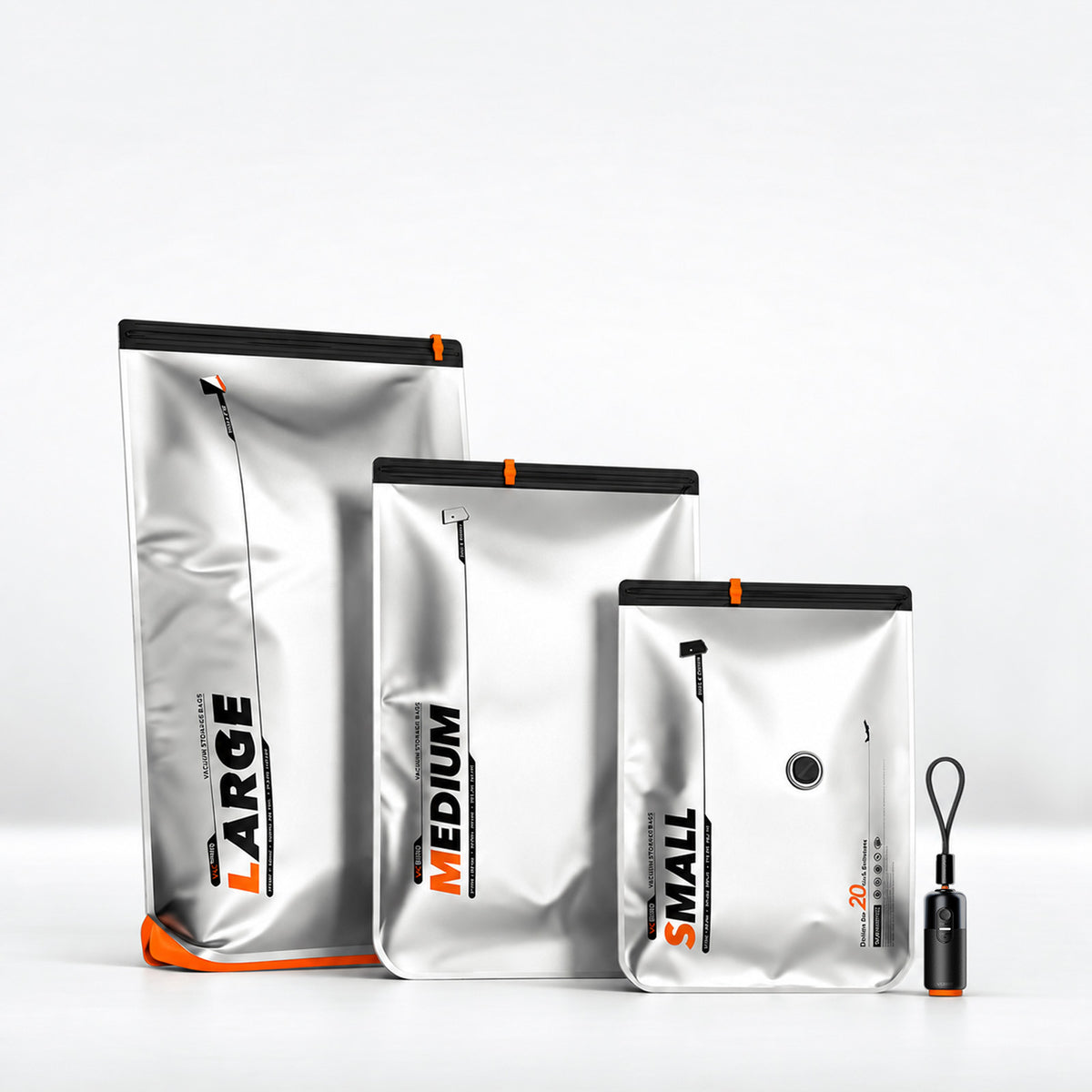
The VacBird bags system gives you different sizes for different storage needs. The Turbo X7 Plus comes with 29 inch, 34 inch, and 39 inch options. VacBird lists the largest size for bulky items such as quilts and comforters.
I would choose the bag based on the bedding first. Then check the height under your bed. You want a compressed package that slides underneath without getting stuck.
4. Fold The Bedding Before You Seal It
I do not stuff a comforter into the bag in a messy pile. I fold it into a flat shape first.
This makes the final package easier to store. It also helps you use the available space inside the bag more evenly.
Do not force too much bedding into one bag. Leave enough room for the zipper to close properly.
5. Seal And Remove The Air
Once the bedding sits inside the bag, close the zipper carefully. Check the whole zipper before you start the pump.
The Turbo X7 Plus uses a rechargeable cordless pump. This VacBird pump provides up to 4000 Pa compression and compresses each bag in about 10 to 15 seconds.
I like this type of setup for home storage because I do not need to find a wall outlet beside the bed. I connect the pump and let it remove the air until the bag reaches a compact shape.
Then close the valve cap firmly. VacBird also uses a double zipper design on these bags for an airtight seal.
6. Slide The Bag Under The Bed
Before you push it under the bed, check the floor and bed frame. Remove anything sharp that could damage the bag.
Keep the bag flat when possible. I also leave the bedding I use most often closer to the front. Seasonal items can sit further back.
A small label can save you even more time. Write something simple, such as “Guest bedding” or “Winter comforter.” You will not need to open every bag just to find one blanket.
What Makes Vacuum Storage Bags Useful For Bulky Bedding?
The main benefit comes down to volume. Bedding holds plenty of air inside its fibers. Removing that air gives you a much smaller package.
That makes a big difference under a low bed. You can take a comforter that once filled half a closet shelf and turn it into a compact package that fits a shallow storage area.
Good vacuum storage bags also give you a cleaner way to separate different bedding groups. VacBird lists its Turbo X7 Plus bags as reusable and designed for home storage. The bags use a double layer of PA and PE material and a double zipper seal.
The see through design also helps. You can see what sits inside without opening the bag. That sounds like a small detail. It saves time when you have several bags under the bed.
VacBird Turbo X7 Plus may reduce bulky clothing and bedding volume by up to 80 percent. However, your actual space savings depend on the bedding and how much air it holds.
Why I Like The Turbo X7 Plus For Bulky Bedding
I would choose the Turbo X7 Plus when the main problem comes from thick bedding. Its larger 34 inch and 39 inch options give bulky comforters more room. The larger sizes of these bags are suitable for bulky bedding.
The pump also makes the process quick. Its one full charge may handle up to 90 bags under its stated test conditions. The pump uses a Type C charging cable.
You can check the VacBird Turbo X7 Plus when you want a larger setup for home bedding storage.
How Do You Keep Your Under Bed Bedding Storage Organized?
Once you compress the bedding, the next problem comes down to organization. You do not want ten flat bags under your bed with no idea what sits inside each one.
I keep my system simple. One bag holds guest bedding. Another holds winter blankets. Extra pillows get their own space when needed.
These space saving bags also help me keep similar items together. I place the bedding I need most often near the edge. Rarely used seasonal bedding goes further back.
Measure the clearance under your bed before you fill several bags. A bag may shrink a lot in one direction and still remain too thick for a low frame.
A Simple System For Guest And Seasonal Bedding
My current setup follows three basic rules.
Guest bedding stays together. Winter bedding stays together. Everyday bedding stays outside the under bed storage area.
That means I do not need to empty the whole space when someone comes to stay. I pull out the guest bag and open it.
When winter arrives, I do the same thing with the seasonal bedding. The system feels much easier than digging through a packed closet.
When Should You Use Vacuum Storage Instead Of Ordinary Storage?
Compression works best when you need to reduce the size of bulky bedding.
Choose it when:
- Your comforters take too much closet space.
- You have useful space under the bed.
- You store bedding for a season.
- You rarely need the items.
- You want separate sealed packages for different bedding sets.
- Save items from dust and debris
- Protect each piece from bugs and mold growth
FAQs
Can you store bedding under the bed?
Yes. Under bed storage works well for spare and seasonal bedding when the area stays clean and dry. A compressed bag makes better use of the shallow space. Keep the bags flat and leave enough room to pull them out without scraping them against the bed frame or floor.
How long can bedding stay in a vacuum storage bag?
There is no single storage period that suits every type of bedding. Seasonal storage works well for many household items. Check the bedding care instructions and inspect stored items when you rotate them back into use. Give special care to delicate materials and natural fill products.
Do vacuum bags really save space under a bed?
Yes. Removing air from bulky fabric reduces its volume. The exact amount depends on the material and how much air it holds. A larger bag and a suitable pump can make thick comforters much easier to fit into shallow under bed storage.
Conclusion
I used to see the space under my bed as wasted space. Now I see it as the place for the bedding I do not need every day.
The trick does not require a bigger closet. Clean the bedding first. Group matching sets. Choose the right bag size. Remove the air and store each package where you can reach it later.
For bulky comforters and quilts, I would look at the VacBird Turbo X7 Plus. Its larger bags and rechargeable pump fit the kind of storage problem that started this whole change for me.
Once you try this setup, you may wonder why that empty space under your bed stayed unused for so long.