Winter arrived and made me excited as I was again going to wear my winter clothes. I remembered that I compactly stored my winter clothes a few months back in vacuum storage bags.
It was my first experience, and I was excited to see its results also. The excitement disappeared the moment I opened the bag. A musty smell came out first. Then my eye stopped by seeing a few tiny mold spots on one of my sweaters. I stood there wondering how this even happened. I thought vacuum sealing would protect everything.
My first reaction was to blame the storage bag. After reading more and talking to people who faced the same problem, I found the real reason. The bag never caused the mold. My own storage habits caused it. I trapped moisture inside and gave mold everything it needed.
People mostly make the same mistake. You might think vacuum storage bags create mold because clothes stay inside for months. That idea sounds reasonable at first. The truth tells a different story.
I want to share what I learned after making those mistakes myself. You do not have to throw away your favorite clothes just because of a few simple storage errors.
Is the Vacuum Bag Really the Problem? Or Is Something Else Going Wrong?
This question came into my mind many times.
Mold does not appear because clothes stay inside a sealed bag. Mold grows when moisture already exists inside the fabric. A sealed bag simply locks everything inside. Dry clothes stay dry. Damp clothes stay damp.
That small detail changed how I looked at storage.
Good vacuum storage bags help protect clothes against dust, insects, dirt and outside humidity. They also reduce the amount of air around your clothes. Less air means fewer chances for moisture from the surrounding environment to reach your fabrics.
The biggest misunderstanding comes from this simple idea.
“Vacuum sealing never creates mold. It traps whatever you place inside.”
Quality storage also matters. A poor seal lets air slowly enter the bag. That air often carries moisture. A reliable storage bag holds the vacuum longer and protects your clothes much better during long term storage.
The 4 Mistakes That Usually Cause Mold Inside Vacuum Sealed Clothes
I have found the four mistakes that were actually ruining my clothes and compel me to put the blame on my storage bags.
Mistake Number One. Packing Clothes That Feel Dry Even Though They Are Not
This became my biggest mistake.
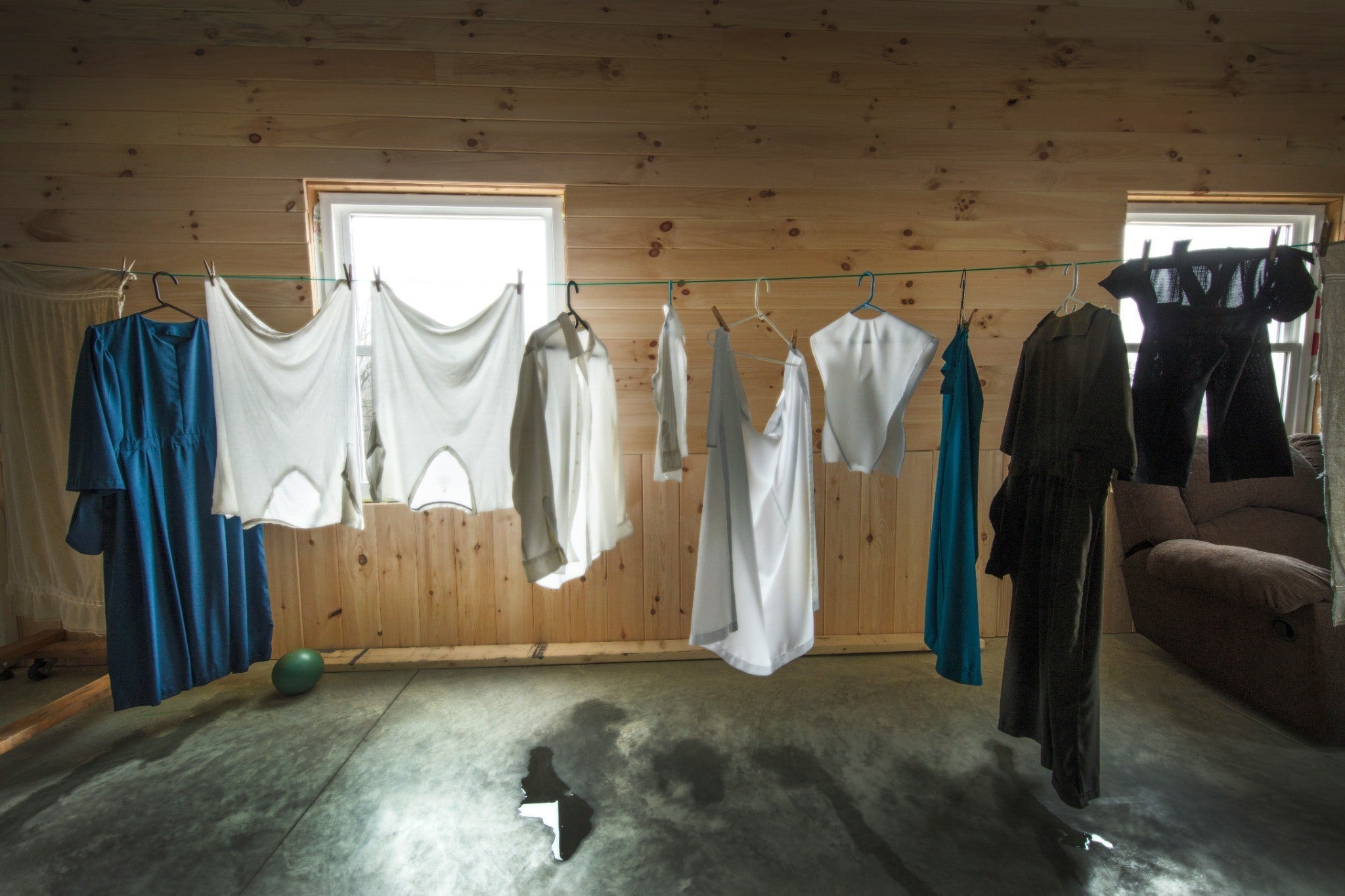
I washed several hoodies one evening. They felt dry when I folded them. I packed everything right away.
Months later, I found mold.
Heavy fabrics hide moisture deep inside the material. It's your mistake to think that thick towels, jeans, sweatshirts, hoodies and wool sweaters have no dampness. They often stay damp longer than other items. The outside feels dry. The inner layers still hold moisture.
Now I always leave washed clothes out a little longer before storage. Thick items deserve extra drying time.
Letting my clothes hang for a few extra hours saves expensive clothes.
Mistake Number Two. Storing dirty clothes in sealed bags for long periods of time
That decision cost me one favorite shirt.
Maybe your clothes have tiny food stains. You wear clothes, and they keep your body oils, perfume residue, sweat and skin cells. All these things stay inside the fabric, even to fresh looking clothes. As mold feeds on organic material, a sealed bag simply keeps those conditions together.
Today, I never skip washing clothes before storage.
My routine stays simple.
- Wash every item.
- Dry every item completely.
- Check for hidden stains.
- Fold everything neatly before sealing.
That small routine takes very little time. It saves much more time later.
Mistake Number Three. Storing Bags in Damp Places
Storage location matters more than many people think.
I kept several bags inside a small room near the garage. The room felt cool. I thought it worked perfectly.
Later, I found out humidity stayed high there almost every day. The areas that mostly create poor storage conditions are
- Basements
- Garages
- Sheds
- Outdoor storage rooms
- Humid closets
Temperature changes also add moisture over time.
Even the best storage products perform better inside a cool, dry room.
My bedroom closet now works much better than the old storage room. Everything stays fresh for much longer.
Mistake Number Four. Assuming Every Vacuum Bag Performs the Same
I learned this lesson after buying very cheap storage bags. One bag slowly filled with air after only a few weeks. Another developed a tiny leak near the valve. I never noticed the problem until months later.
Weak plastic and poor zipper seals, along with unreliable air valves, reduce storage performance. That experience pushed me toward better quality products.
Why I Prefer VacBird bags for Long Term Clothing Storage
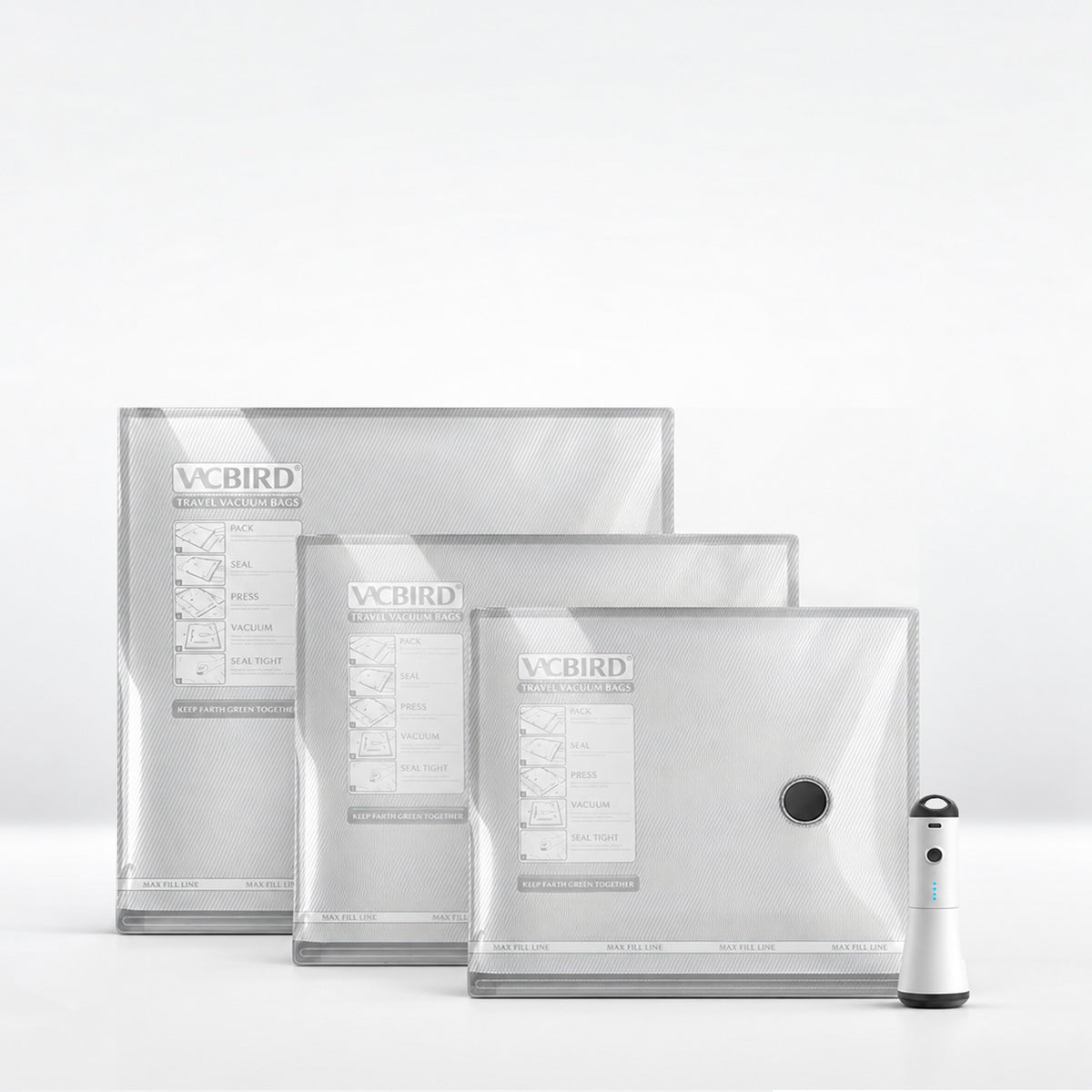
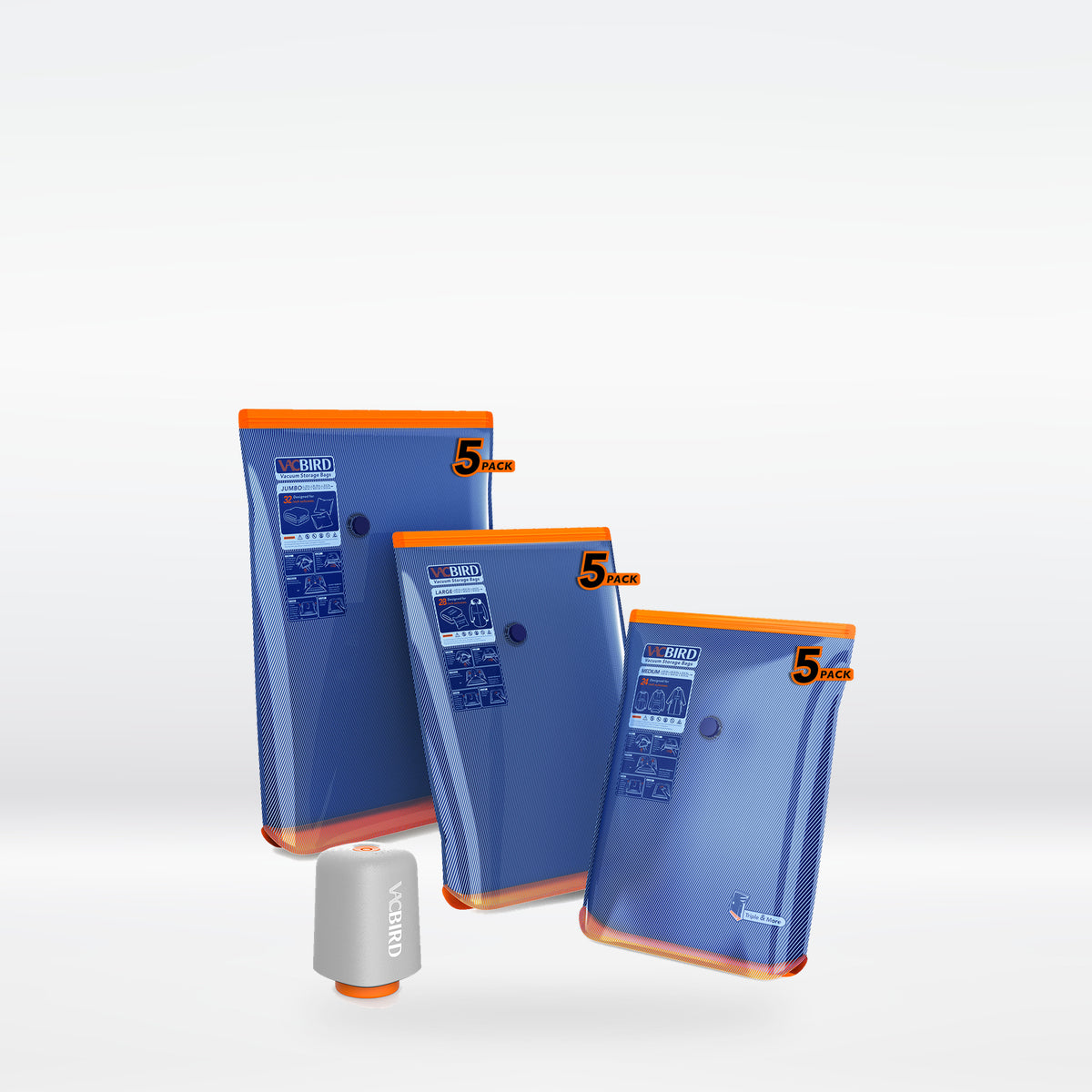
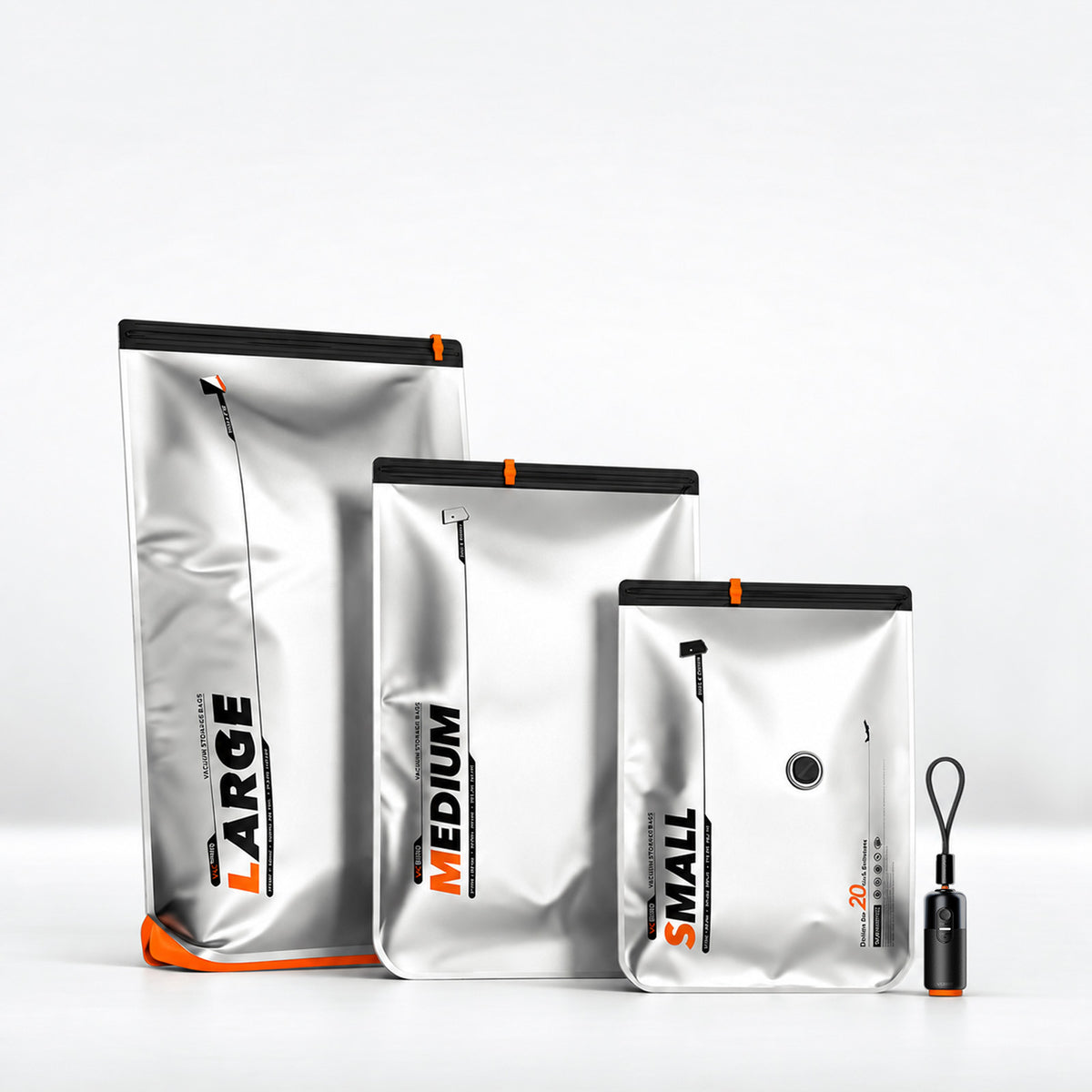
After comparing different options, I started using VacBird bags because they focus on practical storage instead of unnecessary features.
Most of their bags have the same quality features:
- Durable multi layer construction
- Reliable zipper seal
- Secure air valve
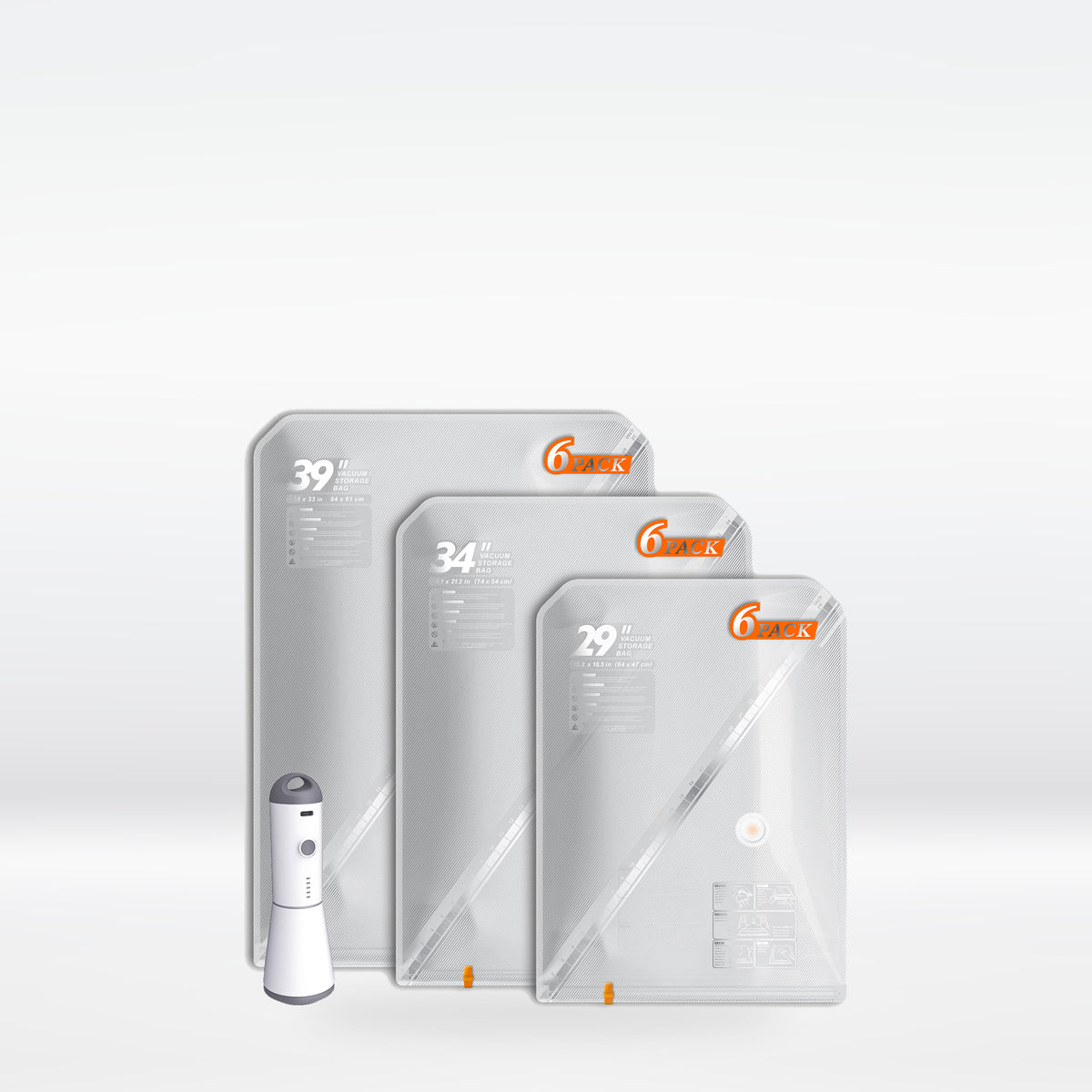
- Multiple storage sizes
- Reusable design
- Suitable for
⨀ Clothes
⨀ Bedding
⨀ Blankets
⨀ Seasonal storage
Those features solve many common storage problems people face during long term organization.
Pairing Them With VacBird vacuum bags and Pumps Makes Storage Easier
One thing I appreciate involves the storage process itself.
VacBird offers electric pumps, with a cord or battery powered, that remove air much faster than pressing bags by hand. Air removal feels easier, and sealing takes less effort.
Pick your pump and attach it to the valve of your properly sealed bag. Press the button on the pump and watch it to remove all trapped air inside the clothes and bag. It compresses your clothes and makes them smaller than before.
Your clothes remain fresh, and you also save space for storing more items.
How I Store Clothes Now So They Stay Fresh Instead of Moldy
Everything changed after my first bad experience. I stopped rushing. My storage routine looks very different now.
- First, I wash everything.
- Next, I let the clothes dry completely.
- Then I fold each item instead of pushing everything into the bag.
- I never overfill vacuum bags because crowded bags seal poorly.
- I carefully close the zipper.
- I remove every bit of air.
- Finally, I place the bag inside a cool, dry closet.
Every few months, I check the bags quickly. The inspection takes only a few minutes. That habit gives me peace of mind.
How Long Can You Safely Keep Clothes Vacuum Sealed?
This is common question people mostly ask after seeing mold.
The answer depends more on preparation than time.
Clean and completely dry clothes often stay stored for many months. Many people also keep seasonal clothing sealed for around one year without problems.
I still like checking my bags every few months. That quick inspection helps me spot air leaks early.
Storage location also matters. A cool and dry closet protects clothes much better than a humid basement.
Always remember one thing. Time alone rarely creates mold. Moisture trapped inside the bag creates mold.
What I Check Before Sealing Clothes Now
After throwing away several pieces of clothing, I promised myself never to repeat those mistakes. My routine takes less than five minutes.
I always check these points.
- Feel thick seams for hidden moisture.
- Let clothes cool after machine drying.
- Look carefully for food stains or sweat marks.
- Fold clothes instead of stuffing them inside.
- Double check the zipper seal.
- Remove every bit of air.
- Write the storage date on the bag.
That small habit helps me stay organized. I also know exactly how long each bag stays in storage.
What Should You Do If You Find Mold Inside a Vacuum Sealed Bag?
Finding mold feels frustrating. I am familiar with this disheartening experience. I suggest you not panic.
- Open the bag outside when possible. Fresh air helps with minimal exposure to mold spores.
- Separate every affected item.
- Check each piece carefully.
- Light mildew often comes off after proper washing. Heavy mold damage tells a different story.
- Wash affected clothes immediately with the right laundry products.
- Dry everything completely before thinking about storage again.
- Inspect the storage bag carefully.
- A clean bag with no damage often works again after proper cleaning. A damaged bag deserves replacement.
- Heavy mold that leaves permanent stains or a strong odor after repeated washing usually means the cloth is no longer alive. It's dead.
It's disappointing us. Yet, remember your health matters much more than one piece of clothing.
FAQs
Can vacuum sealed clothes get moldy?
They develop mold if moisture gets a place to enter the bag. Damp clothes and air seeping inside bags may cause favorable conditions for mold growth. There are much lower chances of mold when you store dry and clean clothes in quality vacuum bags.
Is it safe to wear clothes that had mold?
You properly wash clothes to remove the light mildew. Don't wear clothes that have heavy mold growth or a strong smell that you aren't able to remove even after washing. Such clothes aren't safe for your health.
Can moldy clothes be saved?
Many lightly affected clothes return to normal after thorough washing and complete drying. Heavy mold damage that stays after repeated cleaning usually means replacement offers the safer choice.
Does vacuum sealing clothes prevent mold?
Of course. Your better storage habits and using the vacuum sealing storage method help you save clothes from mold growth. Vacuum sealing lowers the chances of exposing clothes to outside moisture, dust and insects. You need to store clean and dry clothes inside bags, as the bag isn't able to kill mold or stop moisture already trapped inside clothing.
Conclusion
Looking back, I blamed the wrong thing. The storage bag never caused my problem. My habits did.
Once I started washing clothes properly, drying every fabric completely, choosing quality storage products and keeping bags inside a dry room, I stopped dealing with mold.
Good storage starts long before you close the zipper. A little preparation today protects your favorite clothes for many months.